
 English


 Published: November 28, 2025
 Editor: Yang Shuo
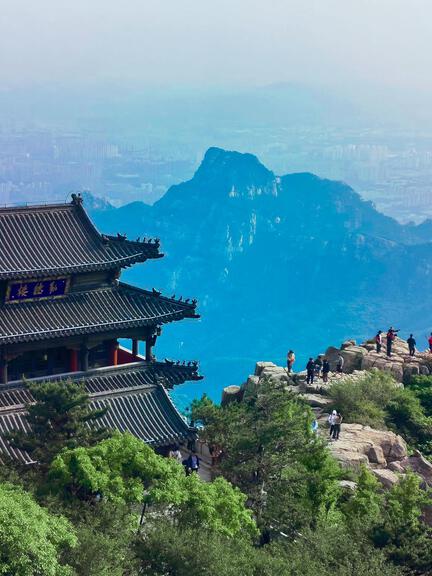
Located in Tai'an in central Shandong province, Mount Taishan is also the hometown of the ancient Chinese thinker Confucius. As the foremost of the Five Sacred Mountains (East: Mount Taishan in Shandong; West: Mount Huashan in Shaanxi; South: Mount Heng in Hunan; North: Mount Hengshan in Shanxi; Central: Mount Songshan in Henan), its main peak rises 1,545 meters above sea level — a majestic summit long celebrated as "the Number One Mountain under Heaven." Designated a national scenic area and rated 5A for tourism in China, the mountain also holds UNESCOdesignations: World Cultural and Natural Heritage site and Global Geopark.
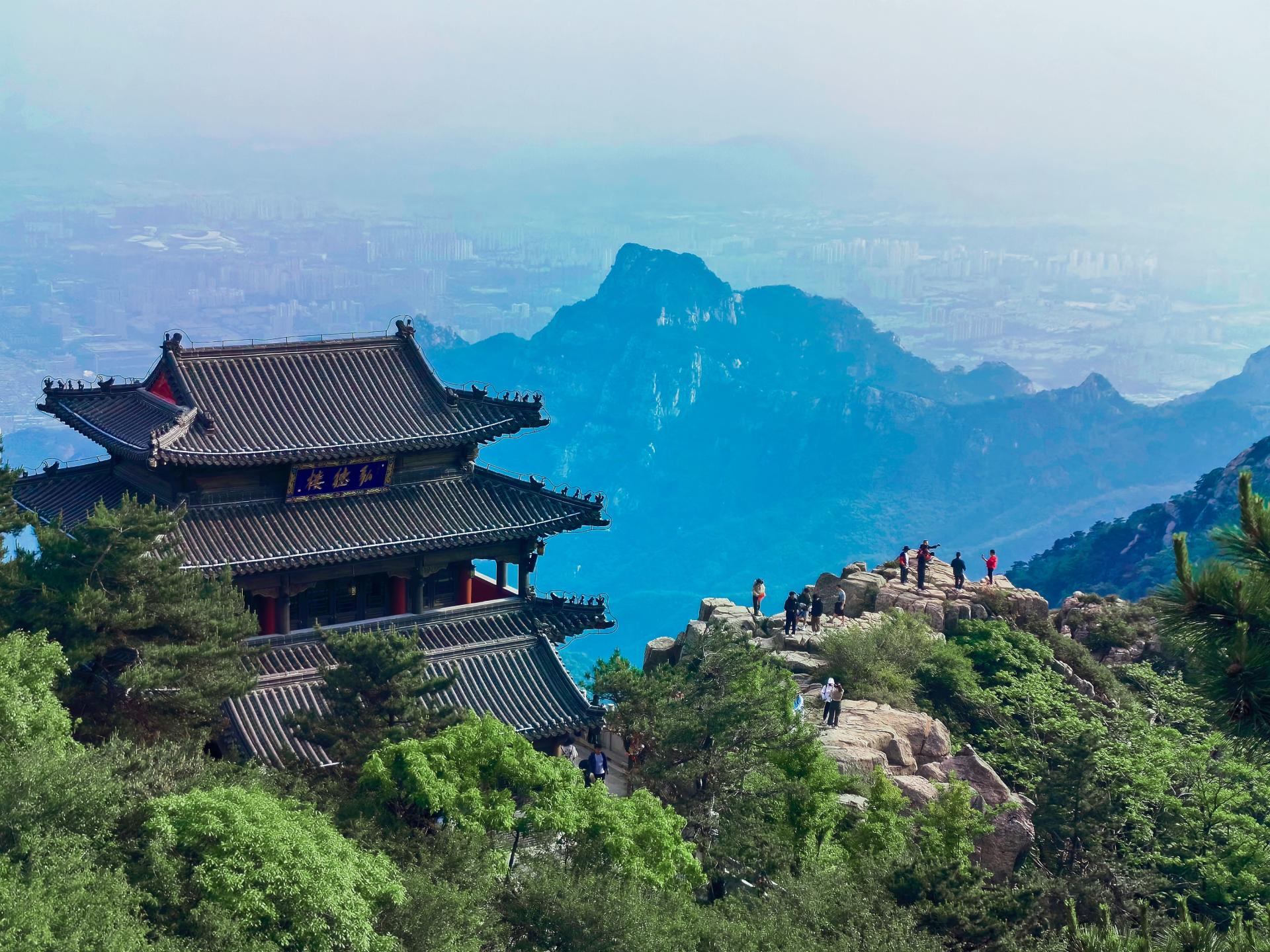
Since ancient times, emperors have held elaborate worship and sacrificial ceremonies at Mount Taishan, commissioning temples, carved statues, and inscribed steles. Today Mount Taishan preserves more than 20 ancient architectural ensembles and over 2,200 stone inscriptions and steles, each bearing witness to the long arc of Chinese civilization.
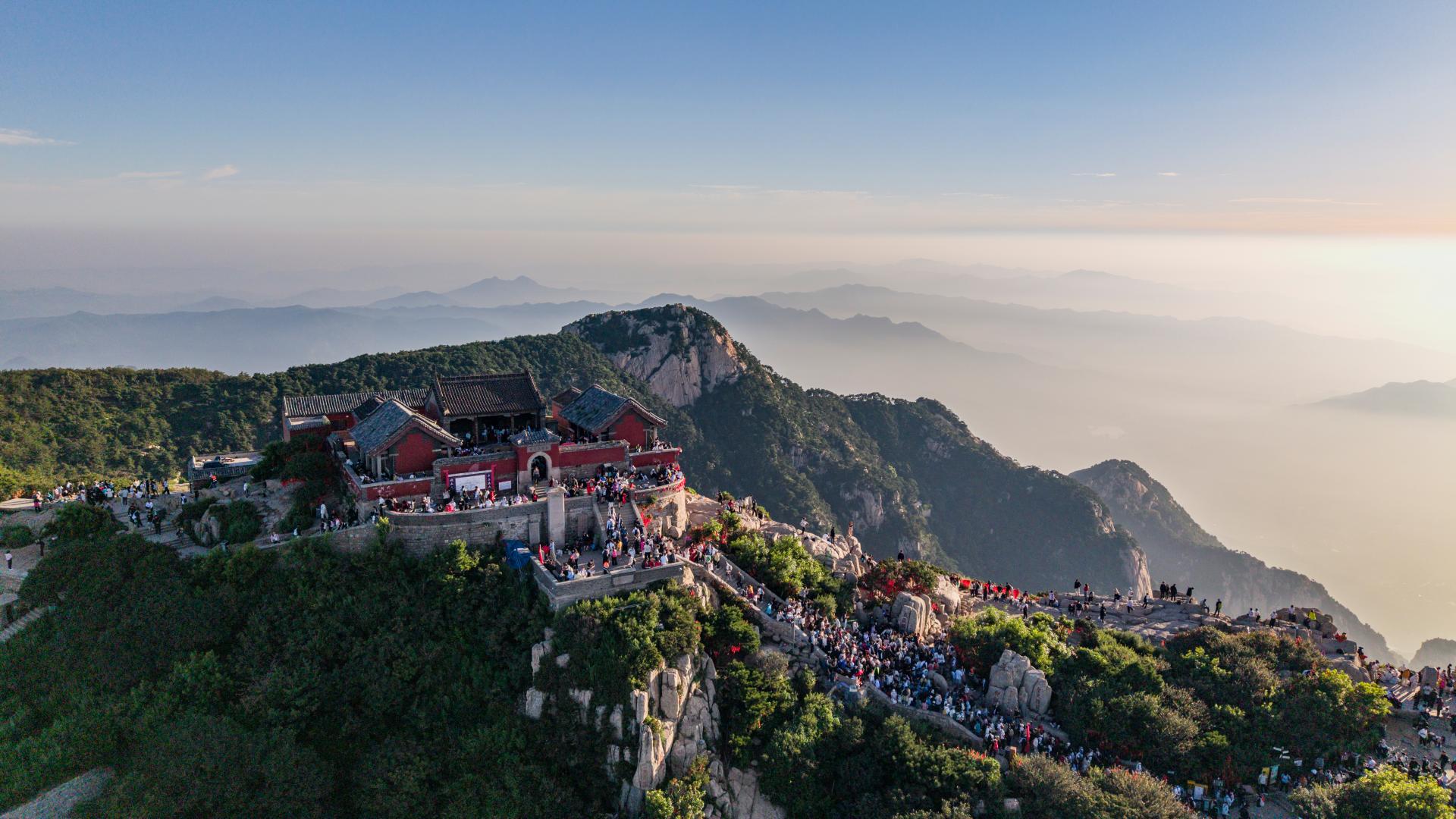
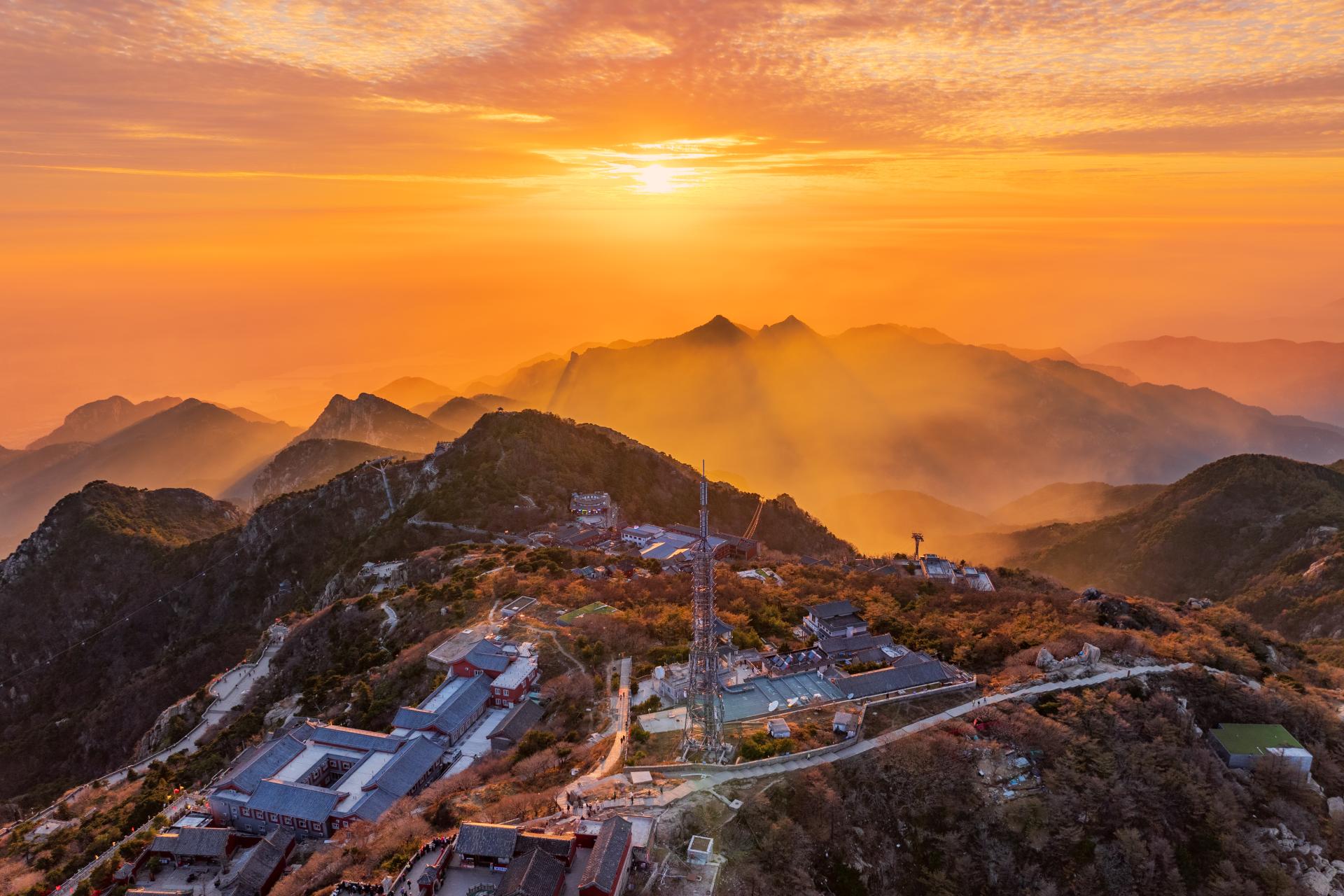
The natural landscape of Mount Taishan is equally breathtaking. Its renowned "Four Spectacular Wonders" embody nature's grandeur: witnessing sunrise from the Jade Emperor Summit (Yuhuangding) at daybreak; soaking in the sunset glow from Sun Viewing Peak (Riguanfeng) at dusk; encountering the sea of clouds after rain, when mist turns the ridges into a floating jade plate; and, under certain conditions, observing the ethereal "Buddha's Halo." Beyond these marvels, ancient pines, dramatic rock formations, winding streams, cascading waterfalls, and deep ravines along the ascent immerse every visitor in the mountain's awe-inspiring beauty.
Four Spectacular Wonders of Mount Taishan
1. Sunrise from the East
The mountain's most magnificent spectacle begins with the first glow of dawn: a pale light on the eastern horizon that deepens to crimson and brilliant gold, culminating in the sun's glorious emergence from the sea of clouds — a transcendent encounter with nature.
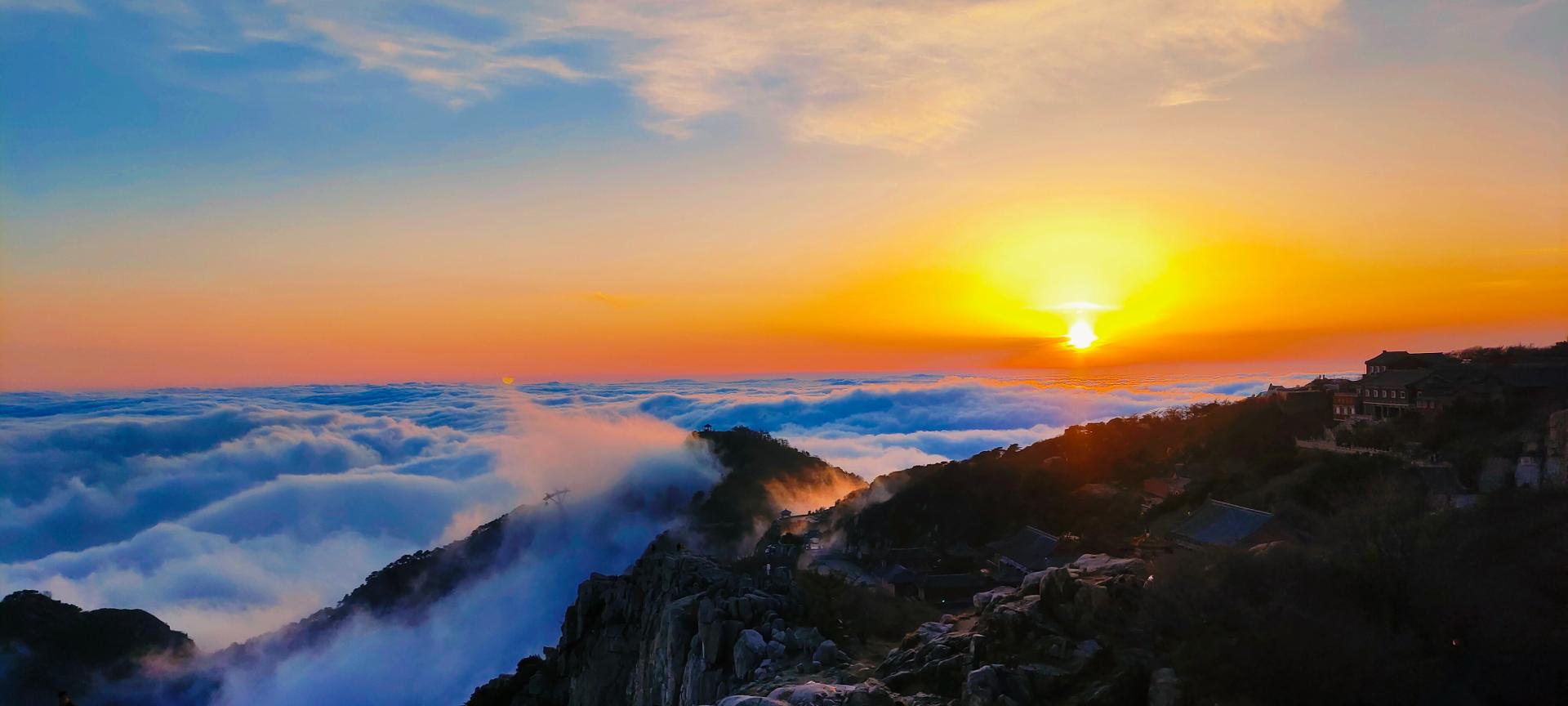
2. Sea of clouds and the Jade Plate
On summer days after rain, rising vapor and humid air currents form a sea of clouds across the peaks. From the summit this endless white expanse drifts between earth and sky like a colossal jade plate—one of the sacred mountain's most breathtaking sights.
3. Sunset Glow
On clear evenings following rain, a slow walk to the summit reveals western clouds that stack like distant ranges. Golden rays pierce those layers, casting ethereal light over the world below.
4. Buddha's Halo on Mount Taishan
Between June and August, on partly clear, partly misty mornings or evenings, sunlight striking mist can produce a rare optical effect: a multicolored halo suspended in vapor, reminiscent of the sacred aura around a Buddha's head—at once mysterious and solemn.