 English


 Published: November 28, 2025
 Editor: WangYing
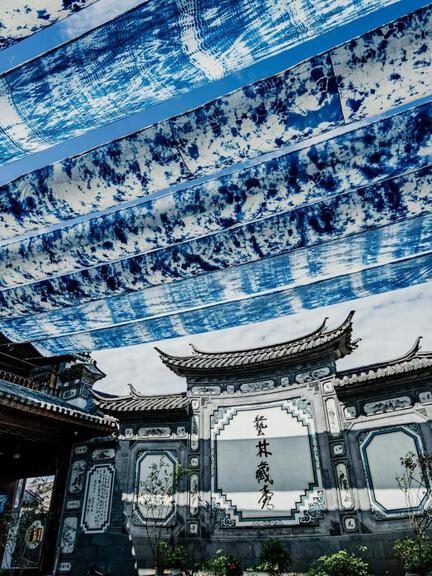
Tie-dyeing, a time-honored textile dyeing and printing craft in China, boasts a history stretching back to the Qin and Han dynasties and flourished during the Tang era. It is lauded as " Embroidery Without a Thread " for its unique patterns created by locally resisting dye through techniques like tying and stitching. In recognition of its cultural significance, the Bai ethnic group's tie-dyeing craft was inscribed on the National Intangible Cultural Heritage list in 2006.
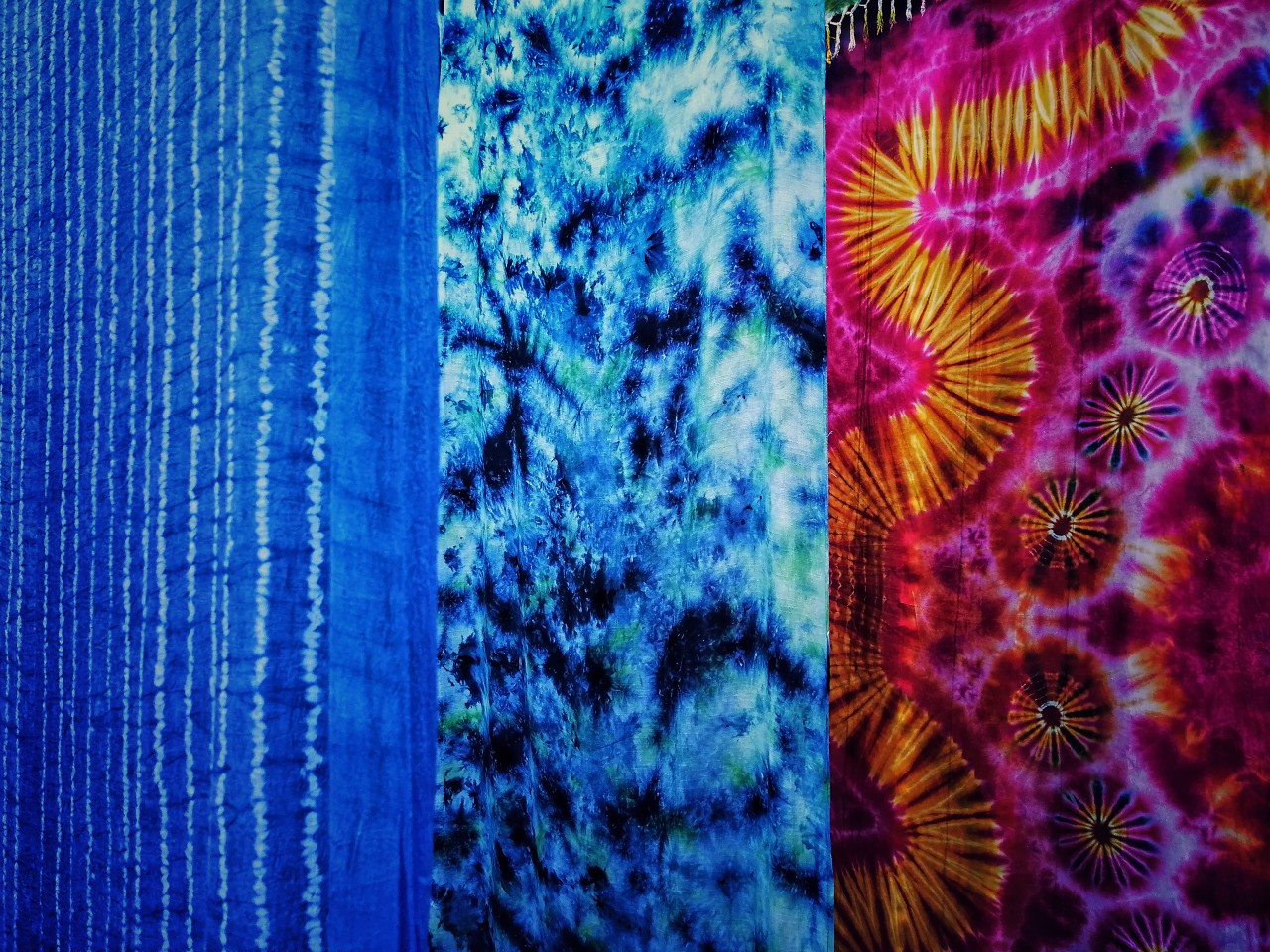
This ancient craft is experiencing a vibrant revival. In the world of fashion, tie-dye elements infuse garments with artistic flair, while in the realm of lifestyle aesthetics, its applications have expanded to encompass cultural and creative products, home decor, and much more. The charm of this craft lies not only in its unique production process—using cotton, linen, and silk fabrics, which are meticulously tied and then dipped into natural dyes—but also in the opportunity it offers for everyone to participate firsthand and create their own tangible memento of Eastern aesthetics.
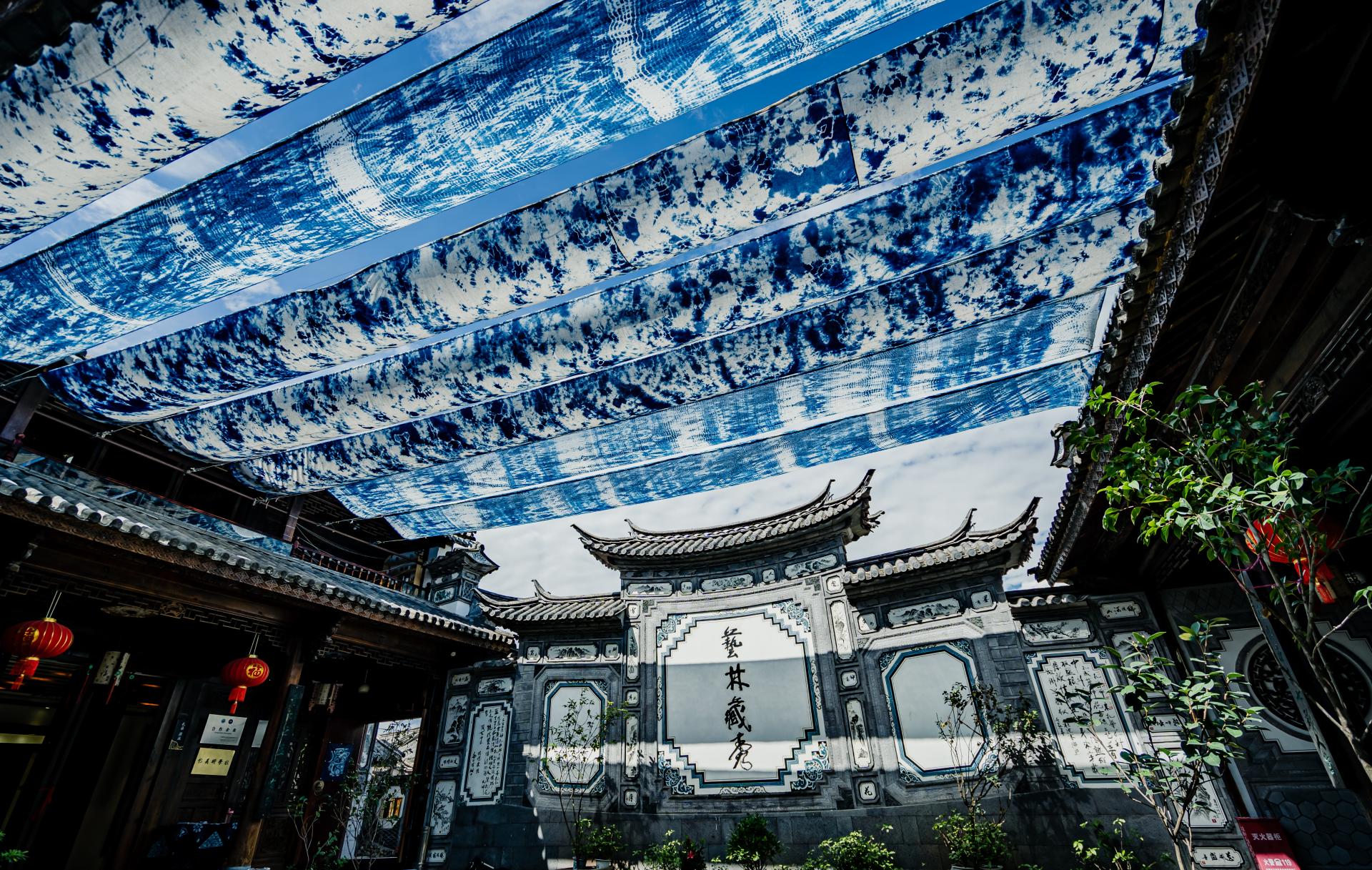
Where to Experience It
1. Zhoucheng Village, Xizhou Town, Dali City, Dali Prefecture, Yunnan Province
Zhoucheng Village is celebrated as the "Home of Bai Tie-Dye Art." It's a place where nearly every household boasts a dye vat and produces tie-dye pieces. Visitors can immerse themselves in the authentic Bai tie-dyeing techniques in the historic local residences.
2. Zhaoxing Dong Village, Liping County, Qiandongnan Prefecture, Guizhou Province
Dong tie-dyeing is characterized by indigo dyeing and abstract patterns. It is considered one of the "Three Treasures of the Dong people," alongside the Grand Song of the Dong ethnic group and the Drum Tower.
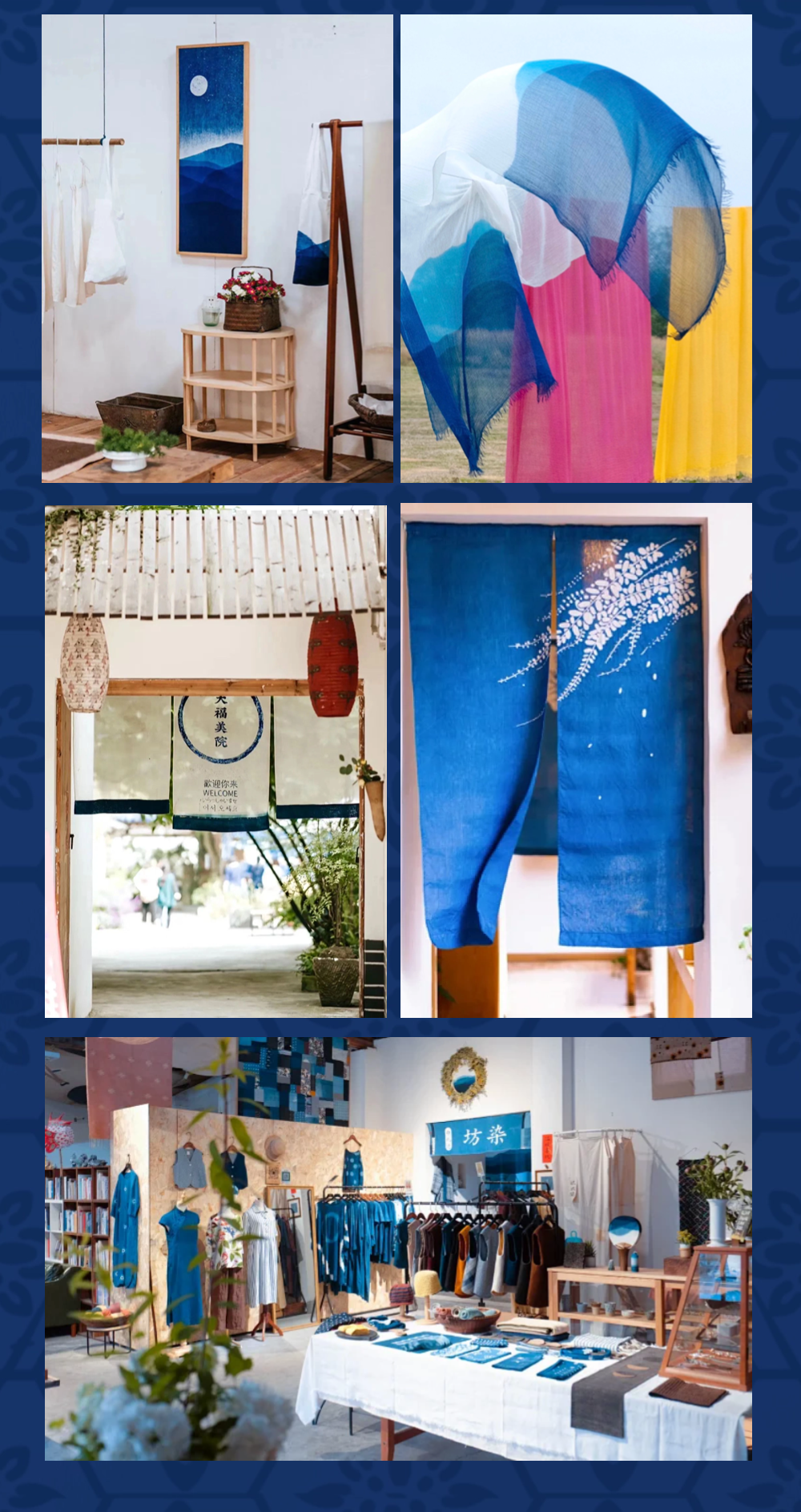
3. Qinghong Dye at Anren Ancient Town, Dayi County, Chengdu, Sichuan Province
This studio seamlessly integrates traditional tie-dyeing techniques with modern design. Instructors offer detailed explanations of the history, types, characteristics, and production methods of tie-dye, creating an experience that is both highly artistic and deeply therapeutic.
Duration: 2–3 hours
What to Expect
Learn Core Techniques: Master the fundamental skills of tie-dyeing under the guidance of a recognized Intangible Cultural Heritage bearer.
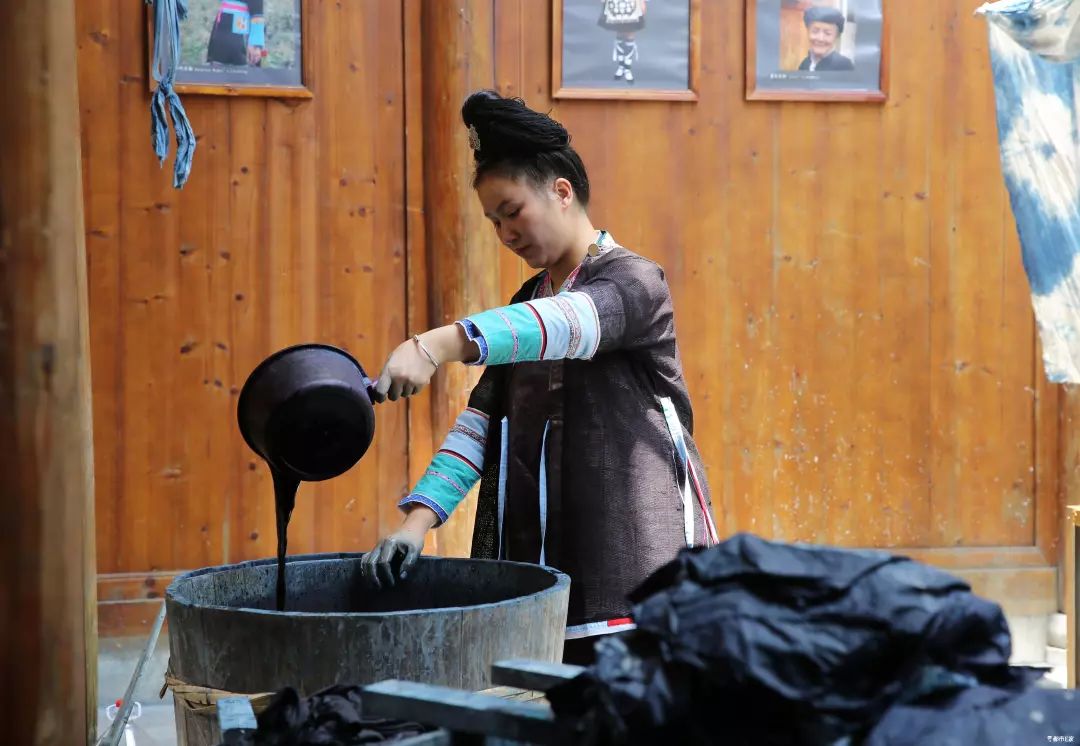
Produce a Personal Piece: Craft your own unique tie-dye artwork using natural plant dyes, such as those derived from the isatis root.
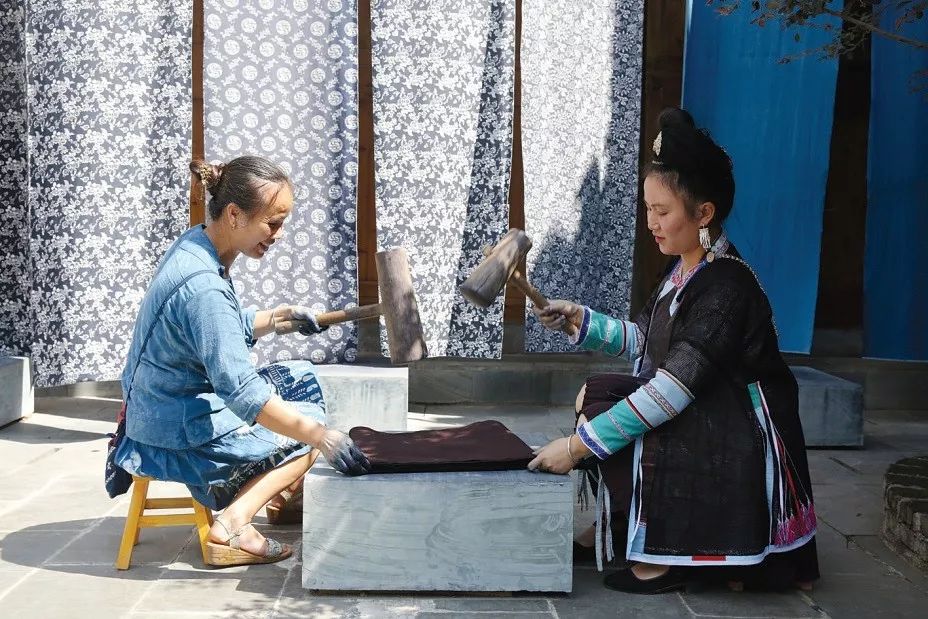
Decipher Cultural Meanings: Explore and understand the cultural symbols and ethnic beliefs encoded within traditional tie-dye patterns.