
 English


 Published: February 9, 2026
 Editor: Yang Shuo
Visiting others to exchange New Year greetings, known as "Bainian" in Chinese, is one of the most important social rituals of the Spring Festival. For foreigners, it involves more than simply saying "恭喜发财" (meaning "wish you prosperity")—it is a set of cultural practices rich in warmth and nuance.
1.The essence of Bainian: respect and blessings
It begins on the first day of the first month on the Chinese lunar calendar and lasts for 15 days, until the Lantern Festival. In China, it is not merely about greetings, but an important way to express family affection and maintain relationships. Greetings may be extended to elders, relatives, colleagues, neighbors, and others.
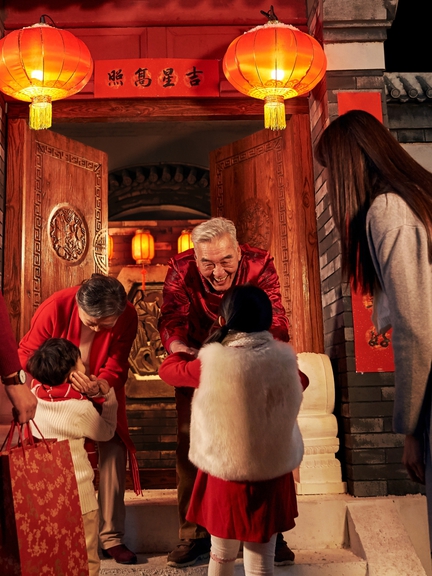
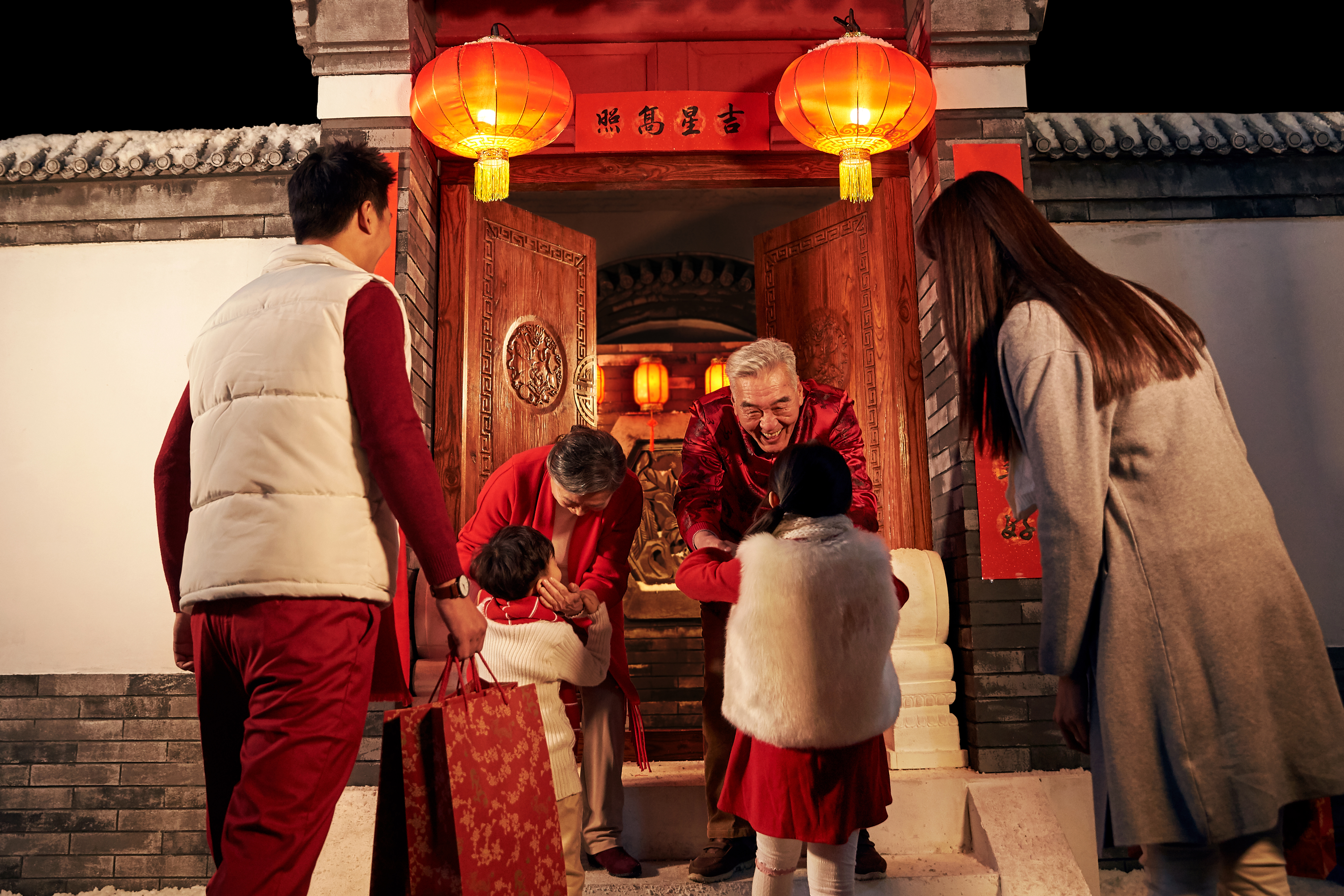
Traditionally, the process starts with paying respects to elders at home, followed by visits to other relatives and friends. After younger generations offer their greetings, elders give children red envelopes as blessings for safety and good fortune.
2. Common greetings
Chinese people value the idea of "doubled blessings" and therefore favor catchy four-character or parallel phrases. Common examples include: 新年快乐 (Happy New Year); 万事如意 (May all go well); 恭喜发财 (Wish you prosperity); 阖家欢乐 (Wish your family happiness).
During the Spring Festival, people express goodwill through auspicious words, tailoring blessings to different recipients. For the elderly, greetings often focus on health and vitality, such as 身体健康 (Wish you good health), 福寿安康 (Wish you a long and prosperous life), and 老当益壮 (Wish you strength and vigor with age). For the young and middle-aged, blessings often emphasize career success, such as 财源广进 (Wish you abundant wealth), 步步高升 (Wish you continuous promotion), and 大展宏图 (Wish you great achievements). For children, blessings tend to focus on study and growth, such as 学业有成 (Wish you academic success), 聪明伶俐 (Wish you wisdom and quick wit), and 茁壮成长 (Wish you healthy growth).
3. Actions and etiquette
During the Spring Festival, people usually wear new clothes and dress neatly and festively to welcome the new year with a fresh appearance. When meeting relatives or friends on the street, it is customary to stop, cup one hand in the other or bring the palms together, bow slightly as a sign of respect, and offer auspicious greetings.
Courtesy is also important when receiving items during visits. When elders give red envelopes, accept them with both hands and say "thank you." Do not open the red envelope in front of the giver.
There are also specific etiquette rules to observe when visiting others. It is advisable to make an appointment in advance to avoid unexpected visits. Bringing a small gift is appropriate—such as fruit, pastries, or tea—but avoid giving clocks (a homophone of "送终," meaning "attending a funeral"), pears (a homophone of "离," meaning "separation"), or umbrellas (a homophone of "散," meaning "parting").
4. New ways to extend Spring Festival greetings: etiquette also matters in WeChat blessings
Today, many people send Spring Festival greetings through the social platform WeChat. Even so, etiquette still matters. Avoid sending copied-and-pasted messages through group chats, especially to elders. Personalized greetings show greater thoughtfulness and sincerity.
When sending digital red envelopes, the amount is usually an even number, such as 66, 88, or 168 yuan, symbolizing "everything goes smoothly," "wealth flows in," or "continuous prosperity." Avoid odd numbers or amounts beginning with the digit "4," which is a homophone for "death" in Chinese.
To greet an elder in a family group chat, it is better to first mention the elder and offer a blessing first, and then send a red envelope, rather than "sending money without a word."
The etiquette of Spring Festival greetings is like opening a window into Chinese culture. Through this window, one can see the importance placed on family, respect, and harmony. While this guide may not instantly make you an expert, it can help you avoid common missteps, ensuring that every "恭喜发财" (Wish you prosperity) carries genuine warmth.