 English


 Published: January 7, 2026
 Editor: Yang Shuo
Qianxinan Buyi and Miao autonomous prefecture (Qianxinan prefecture) is a vital commercial hub and strategic thoroughfare at the junction of Yunnan, Guangxi, and Guizhou provinces, earning the reputation of the "Southwest Barrier" and the "Key to Yunnan and Guizhou." The prefecture comprises eight counties and cities and is home to a rich tapestry of ethnic groups, including the Buyi, Miao, Yi, Hui, Li, Gelao, Zhuang, Yao, and Dong peoples, alongside the Han people. The region is known for its dramatic mountain landscapes, winding rivers, distinctive natural resources, picturesque scenery, warm local customs, and a pleasant year-round climate.
Main scenic areas
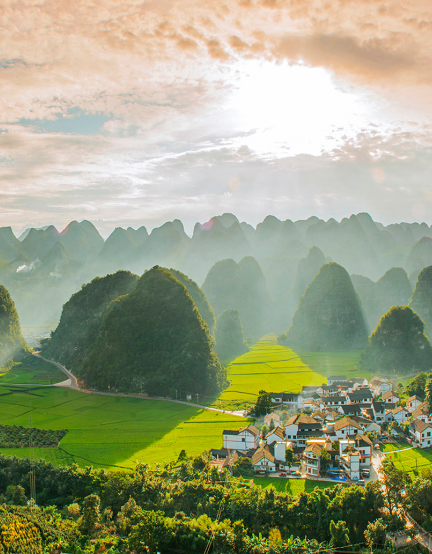
The prefecture offers striking natural beauty and abundant cultural treasures, with signature attractions such as Wanfenglin, Wanfeng Lake, and Maling River Canyon.
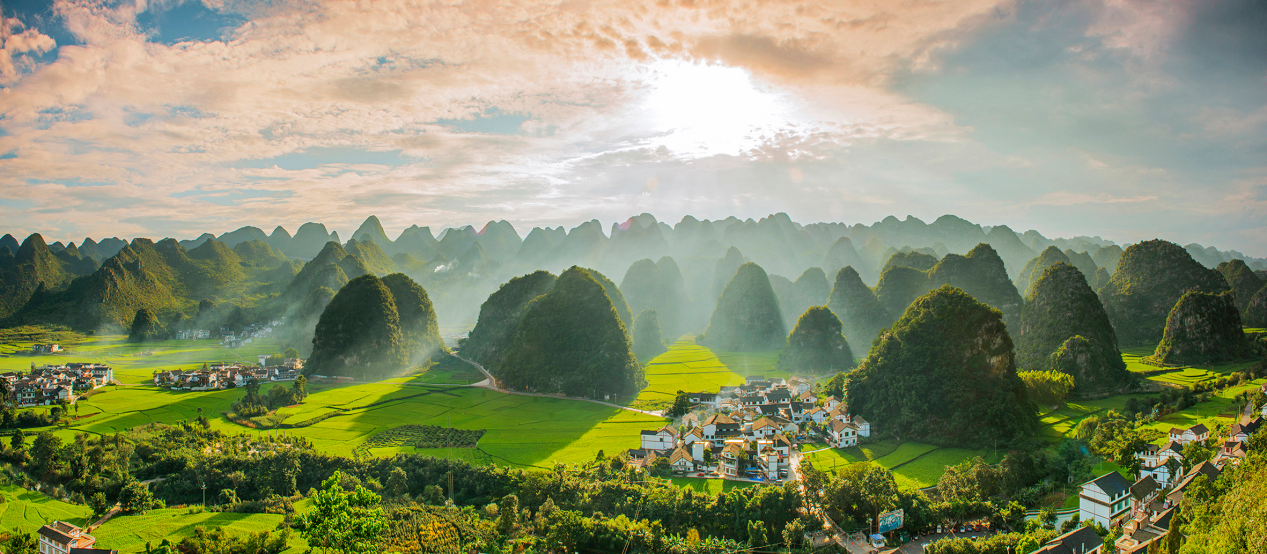
Wanfenglin Scenic Area
Located in southeastern Xingyi city, Wanfenglin is the most mature and representative example of cone-shaped karst peak forests in China. This comprehensive destination offers hillside sightseeing, cycling routes designed for wellness, farming experiences, low-altitude flights, luxury wilderness camping, mountain sports, and wellness activities.
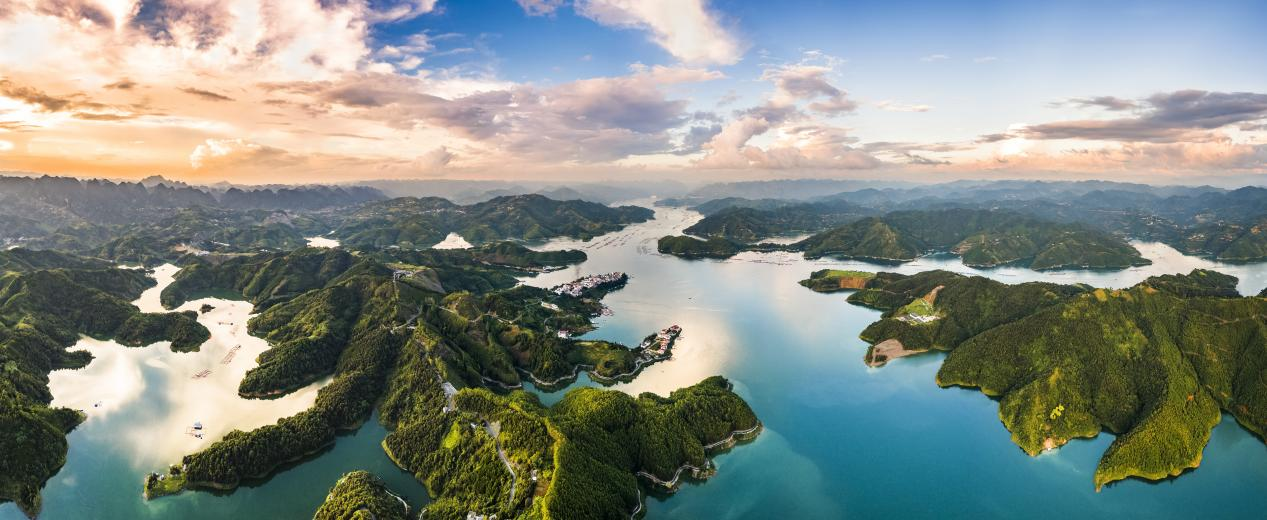
Wanfeng Lake Scenic Area
Nestled among emerald peaks, Wanfeng Lake takes its name from its striking setting. The area is renowned for its crystal-clear waters teeming with fish and for the harmonious interplay of lake and mountain scenery. With distinct views at dawn, noon, and dusk, it has earned the poetic title of "Three Scenes in a Day."
Maling River Canyon Scenic Area
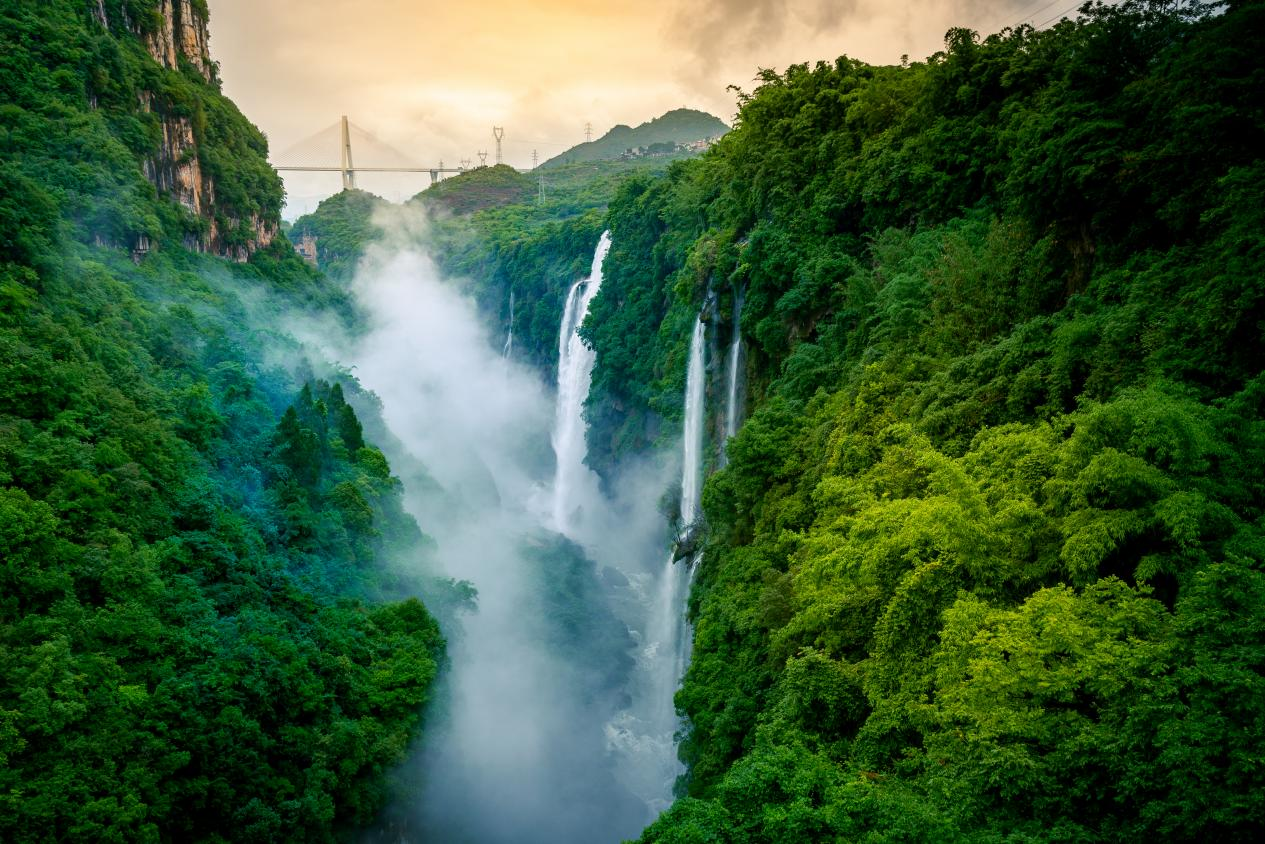
This canyon showcases the quintessential karst landscape of the Yunnan-Guizhou Plateau and is known for its dramatic ground fissures, deep valleys, cascading waterfalls, and striking calcium carbonate formations.
Zhaodi Scenic Area
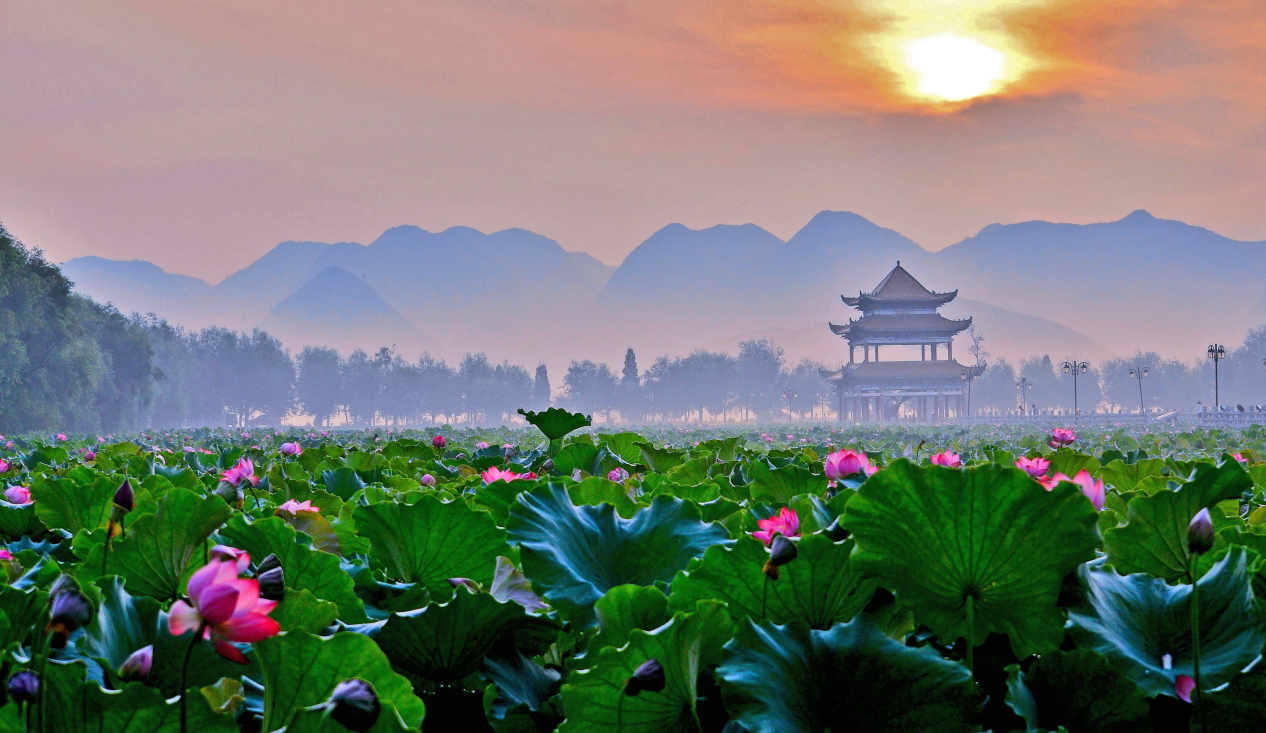
Established during the Qing Dynasty (1644–1911) in the northeast corner of Anlong Ancient City, Zhaodi is a key cultural heritage site in Guizhou. The area features more than 5,000 mu (approximately 333 hectares) of lotus fields, making it a provincial demonstration base for lotus root cultivation.
Huajiang Grand Canyon Bridge
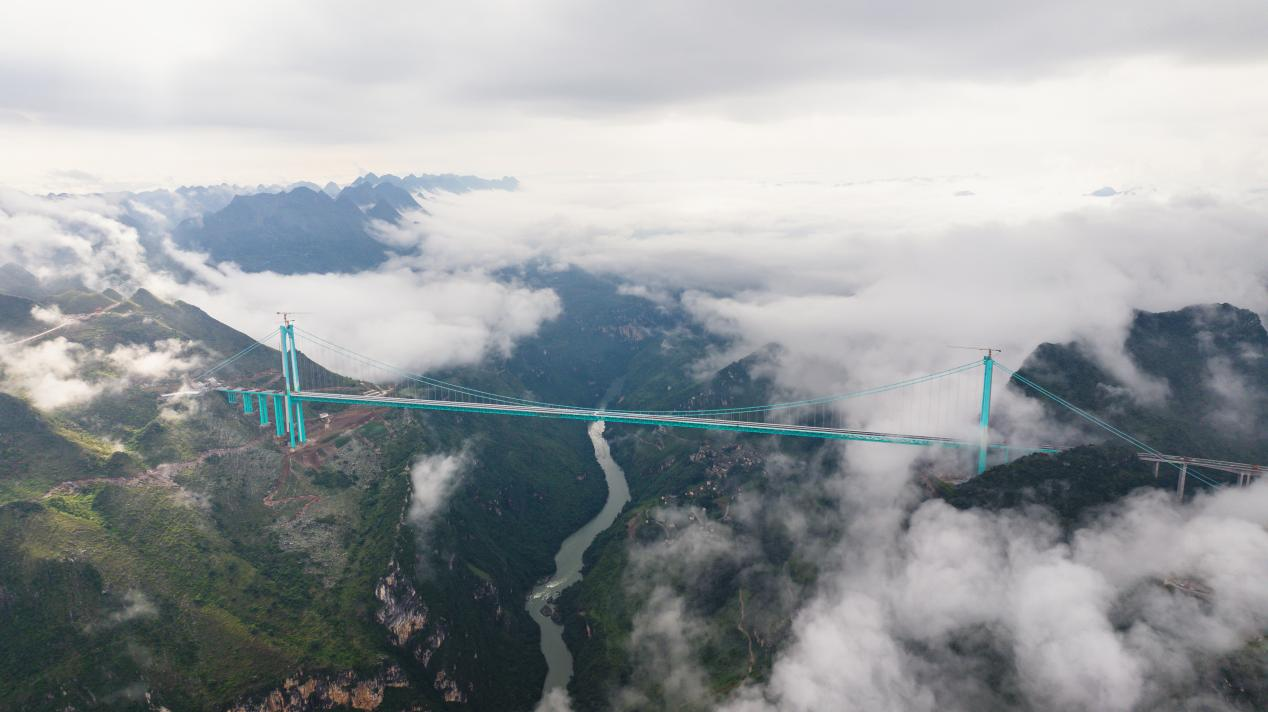
Spanning 2,890 meters, with a main span of 1,420 meters and a deck height of 625 meters above the water, this engineering marvel holds multiple world records, including the largest bridge span in mountainous terrain and the world's highest bridge deck-to-water surface elevation.
Ethnic culture
Qianxinan is a significant settlement area for the Buyi, Miao, and Yi ethnic minorities, preserving rich cultural traditions and vibrant local customs.
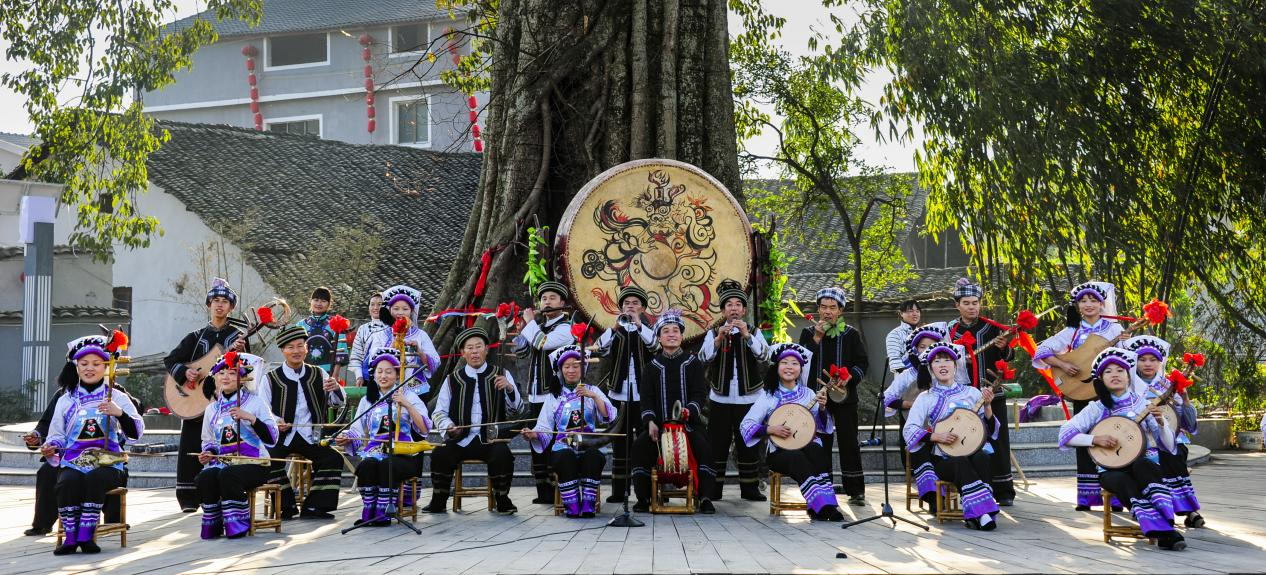
Bayin Zuochang Buyi ethnic band
This traditional Buyi musical form features ancient, flowing melodies typically performed during ethnic festivals, weddings, funerals, house-building ceremonies, and birthday celebrations. Recognized as a "living fossil of sound," it has gained international acclaim.
Amei Qituo
Meaning "the maiden's wedding dance," this Yi ethnic dance is celebrated as the "Eastern Tap Dance" for its rhythmic footwork and strong cultural resonance.
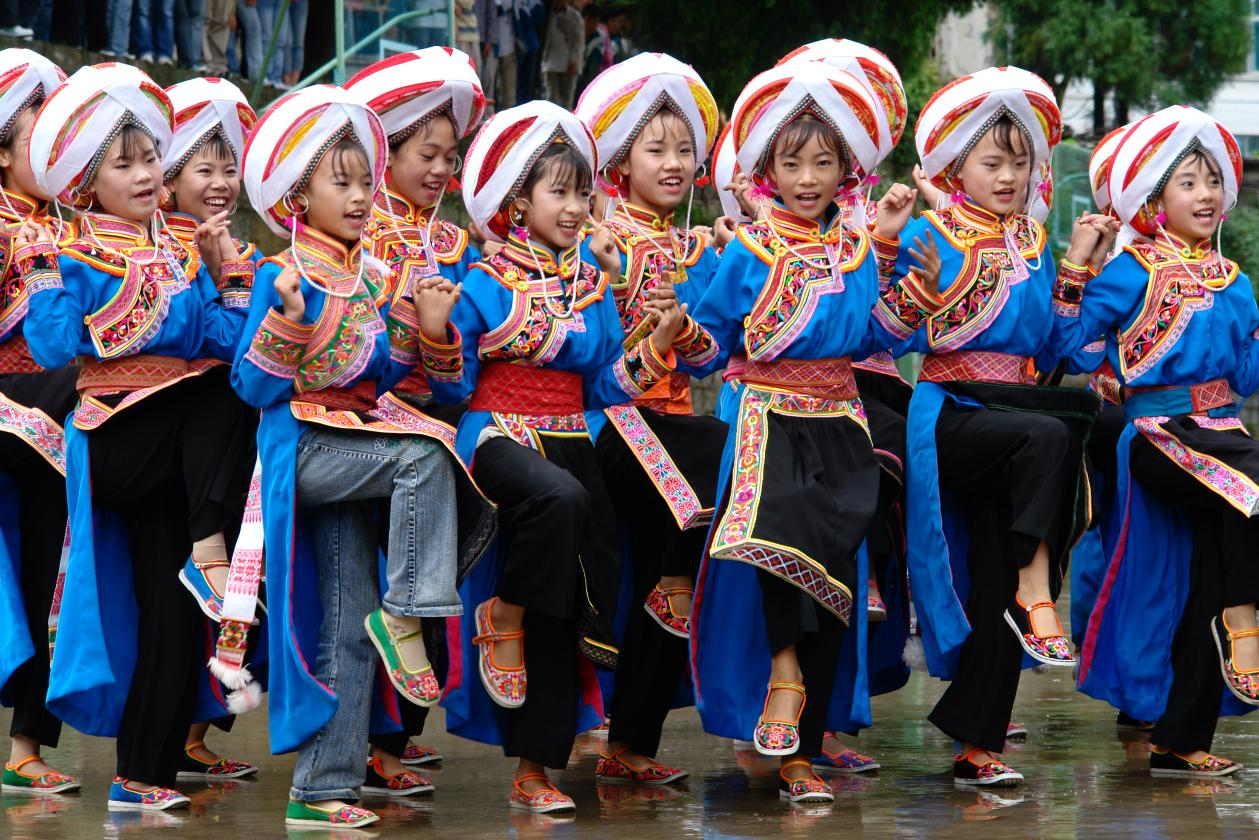
June 6 Buyi Cultural Festival
Held on the sixth day of the sixth lunar month, this traditional Buyi festival features rituals such as rice seedling offerings, village deity worship, New Year greetings, and the distinctive "Langshao" socials.
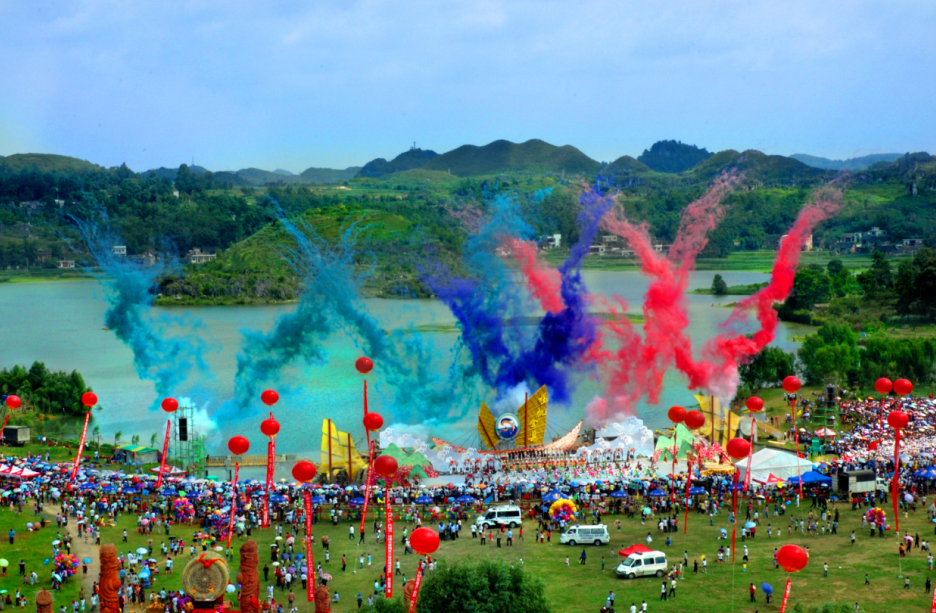
August 8 Miao Folk Festival
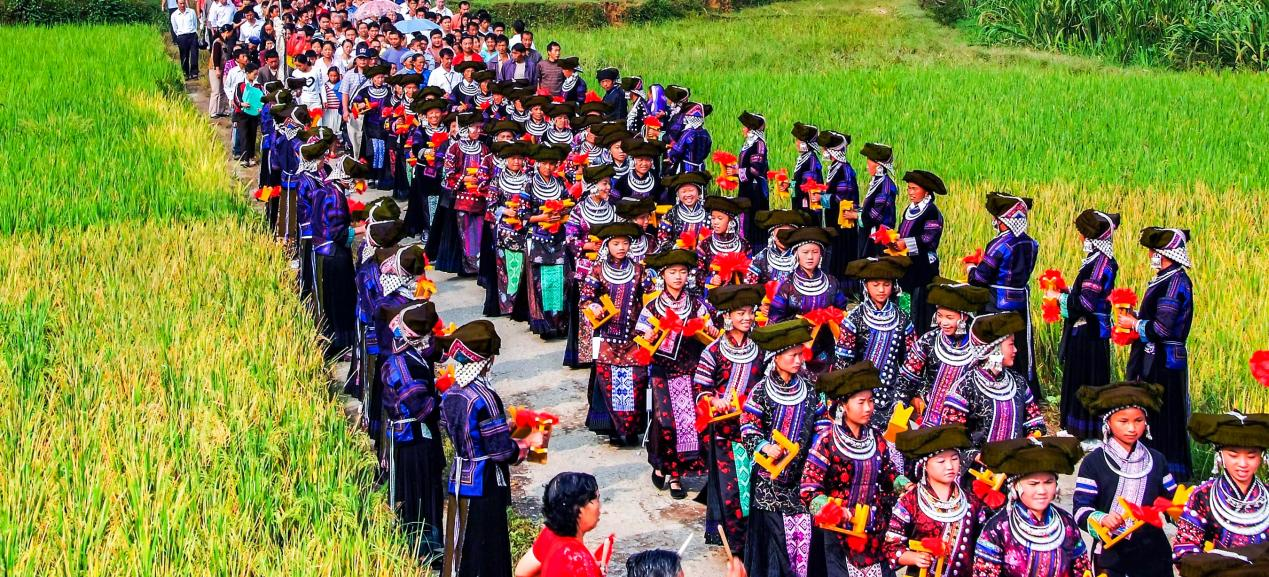
On the eighth day of the eighth lunar month, Miao people of all ages don elaborate traditional costumes to celebrate this important festival, exchanging wishes for bountiful harvests and prosperous lives.