
 English


 Published: November 27, 2025
 Editor: Xiaoyu
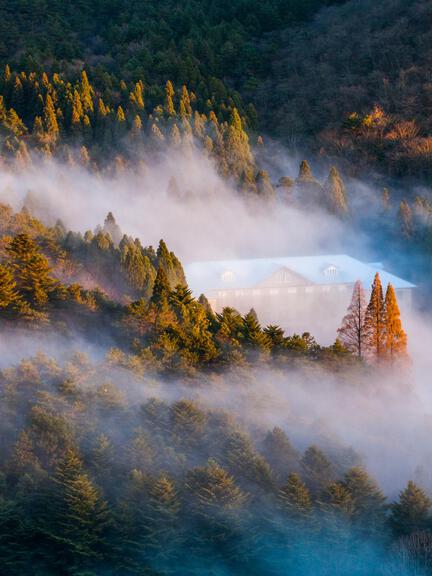
Nestled in Jiujiang, Jiangxi province, Mount Lushan rises majestically at the confluence of the Yangtze River and Poyang Lake. As one of China's inaugural "World Cultural Landscapes" and "UNESCO Global Geoparks," it has captivated hearts for millennia with its grandeur, uniqueness, precipitousness and elegance, earning the timeless adage: "Mount Lushan's beauty is unparalleled." Immortalized by the verses of literary giants like Li Bai and Su Shi, this "Cultural Sacred Mountain" exudes Eastern poetic charm. Its geological marvel—a horst-type fault-block geology—shaped by Quaternary glacial action and water erosion, unveils a breathtaking panorama of "peculiar peaks, bizarre stones, flying waterfalls, and gushing springs."
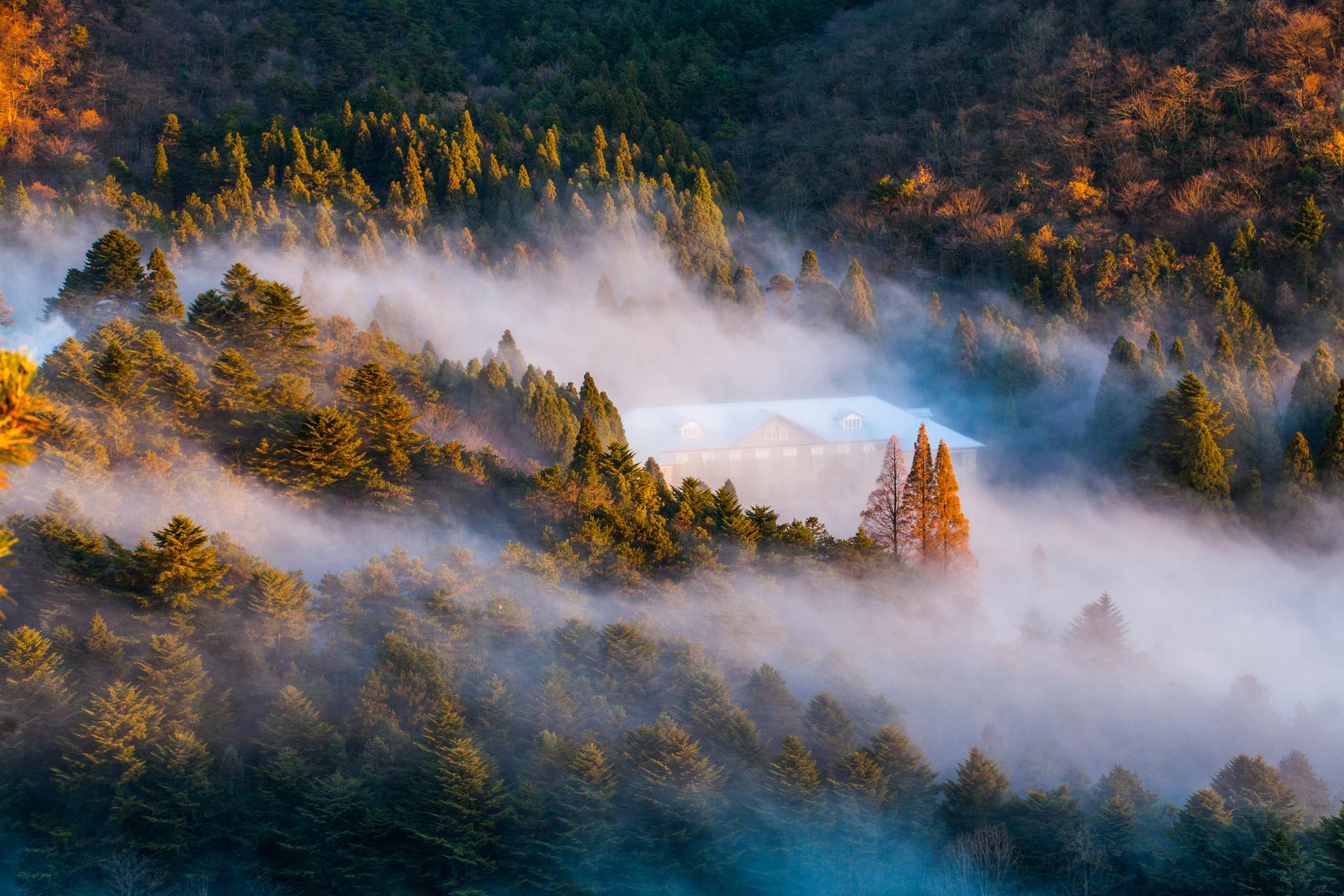
Landscape of Mount Lushan | Photograph by Wei Ji
Recommended routes and attractions
Main attractions of Mount Lushan are arranged along two principal routes: the west line and the east line.
West line — Scenic lakes, mountains, and poetic strolls
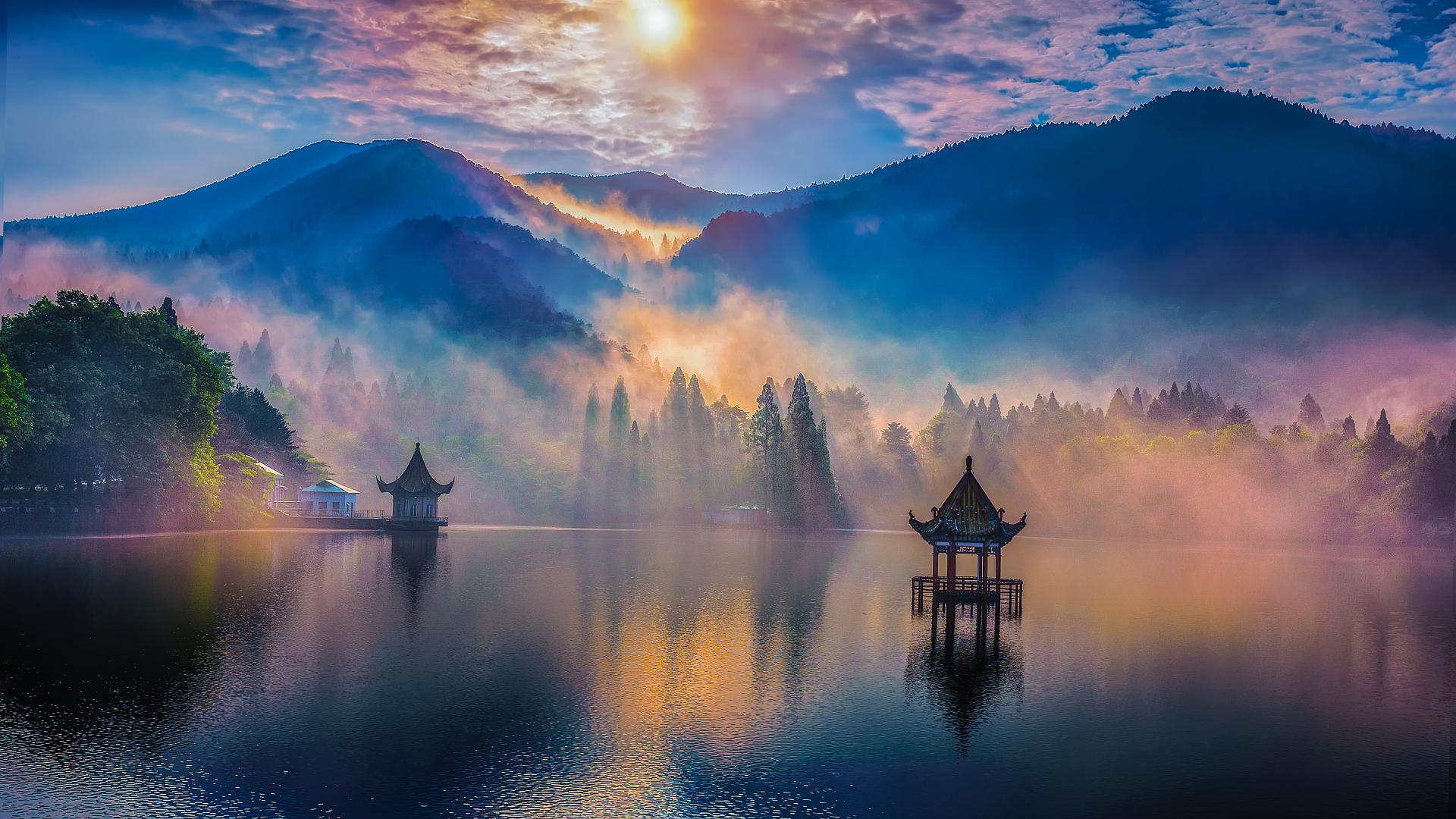
Ruqin Lake: Shaped like a violin, with an exhibition room at the Former Residence of Bai Juyi, the famous Tang‑dynasty poet (618–907).

Tranquil Ruqin Lake | Photograph by Zhao Minguang
Jinxiu Valley: A year-round floral paradise where mist swirls; highlights include the Luck Stone and Sky Bridge, offering a dreamlike walk through nature's artistry.
Xianren Cave: A natural cave resembling a Buddha's hand.
Xiao Tianchi (Small Heavenly Pool): A panoramic viewpoint prized for sunrise, sunset, and the sea of clouds.
East line — Grand vistas and cultural trails
Hanpokou:The prime spot on Lushan for sunrise, with sweeping views over Poyang Lake's vast waters.
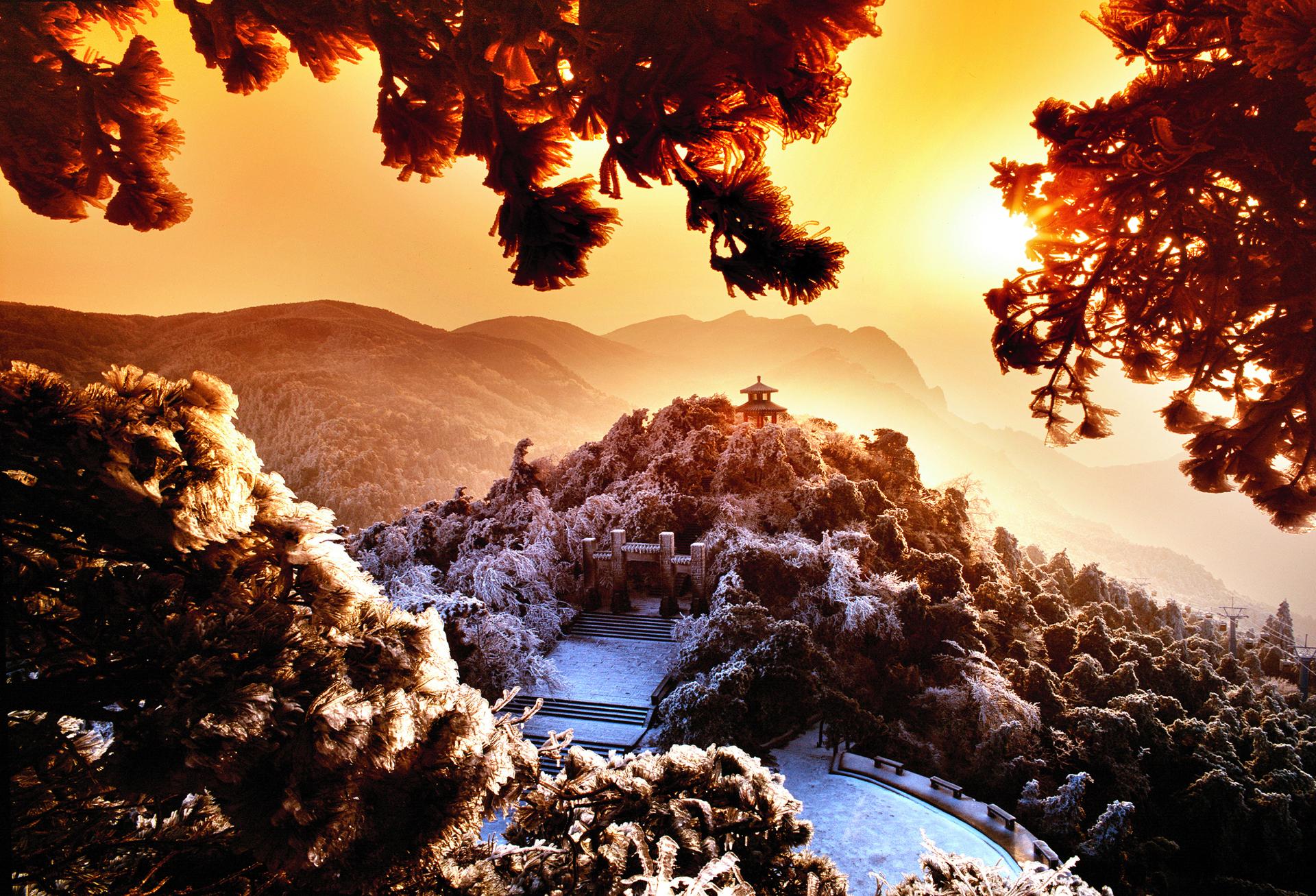
Wulao Peak: Five serpentine peaks resembling five elderly men seated in contemplation; each angle reveals a different face.
Sandie Spring: A three‑tiered waterfall plunging 155 meters with a thunderous roar—called "Mount Lushan's most magnificent wonder,” it recalls Li Bai's image of torrents dashing from great heights.
Meilu Villa: A witness to modern Chinese history; the villa served as a summer retreat for notable figures and offers insight into the mountain's role in 20th‑century events.
Former Site of the Lushan Conference: A red‑tourism landmark preserving artifacts, photos, and documents related to three pivotal Party meetings.
Admission
Lushan main gate ticket: 160 yuan per person, valid for all attractions.
Sightseeing bus ticket: 70 yuan per person, unlimited rides the same day.