
 English


 Published: November 27, 2025
 Editor: Xiaoyu
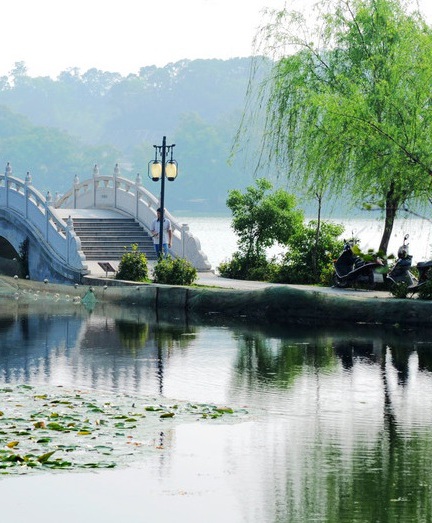
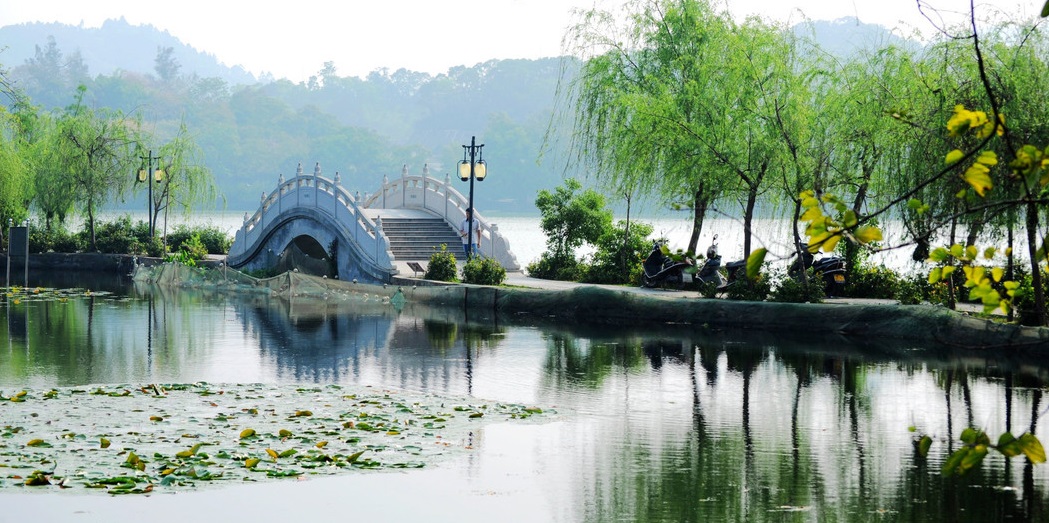
As the most famous freshwater lake in China, West Lake is a living cultural landscape praised for a thousand years. It harmonizes natural scenery and cultural heritage and was designated a UNESCO World Heritage Site in 2011. Structured around "Two Pagodas, Three Islands, Three Causeways, and Five Lakes," the scenic area offers an expansive lake setting where each step reveals a new vista.
Core scenic areas
West Lake main scenic area (Free admission)
Melting Snow on Broken Bridge: The crown jewel of West Lake's Ten Views, best seen after winter snow or at dusk when lights shimmer on the water.
Bai Causeway: Ideal for a morning stroll under willow-shaded paths, linking the Broken Bridge to the tranquil view Autumn Moon over Calm Lake.
Spring Dawn at Su Causeway: A pink expanse of cherry blossoms (March–April) along recently rebuilt walkways and pavilions.
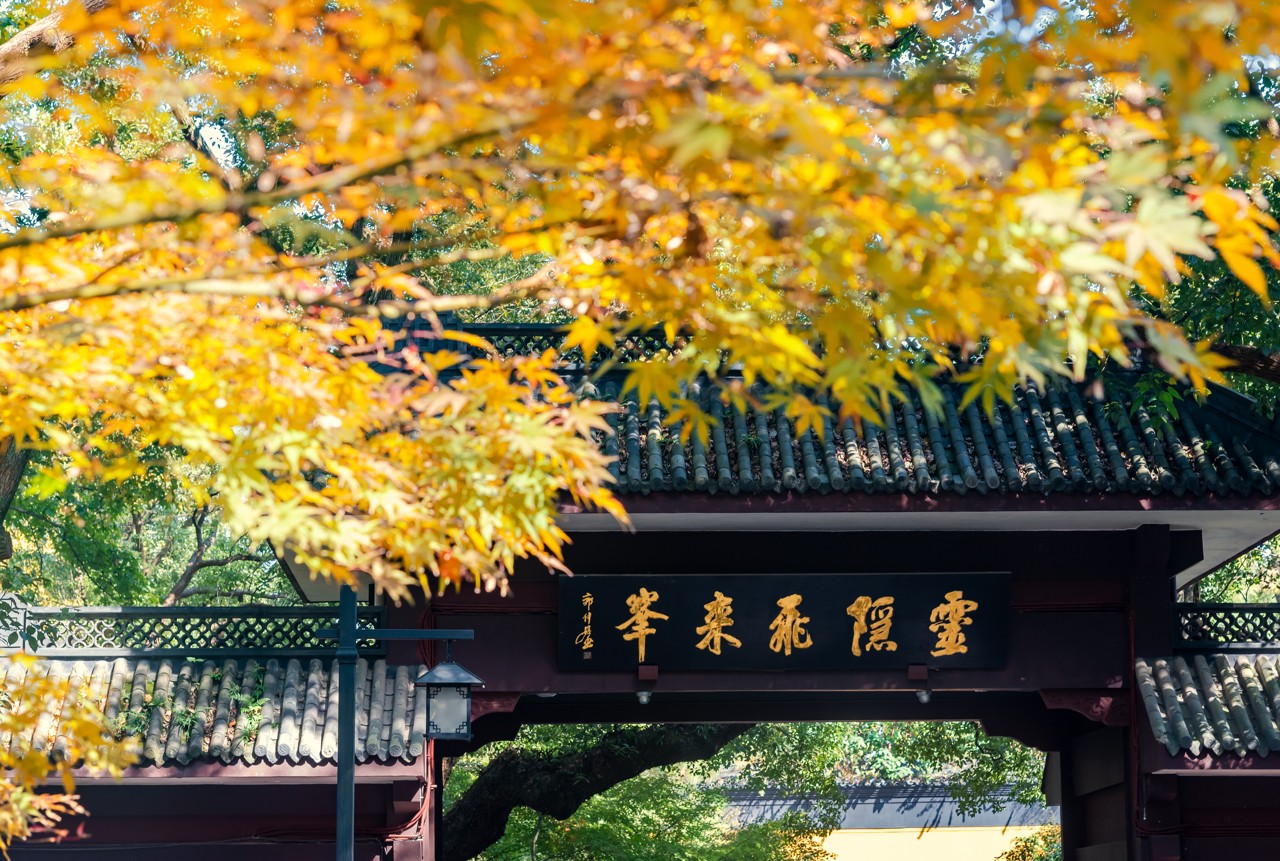
Lingyin Temple + Feilai Peak (Peak Flown from Afar) (Combined admission: 75 yuan)
Location: About 7 kilometers from West Lake.
Feilai Peak Scenic Area admission: 45 yuan per person (book at least 3 days in advance via the "Hangzhou West Lake Travel" WeChat official account).
Lingyin Temple admission: 30 yuan per person (purchase on site at the Lingyin Temple ticket office after entering Feilai Peak Scenic Area).
(Note: No photography inside temple halls; maintain silence during visits.)
Leifeng Pagoda (40 yuan)
This iconic pagoda, a 1.6-kilometer stroll from West Lake, rewards visitors with sweeping views from its summit.
Visit at sunset when the golden light bathes the water. The pagoda is fully accessible via elevators, ensuring a comfortable experience for all.
Tickets can be booked on official platforms up to 7 days in advance or purchased on site by scanning a QR code.

Yue Fei Temple (25 yuan)
Commonly known as Yuewang Temple, this historic shrine honors Yue Fei, a revered national hero, and sits near Su Causeway and Bai Causeway. Accessible on foot or by scenic area shuttle, it functions as a museum documenting his resistance against the Jin Dynasty and displays authentic handwritten works and artifacts.