
 English


 Published: February 11, 2026
 Editor: Xinxin
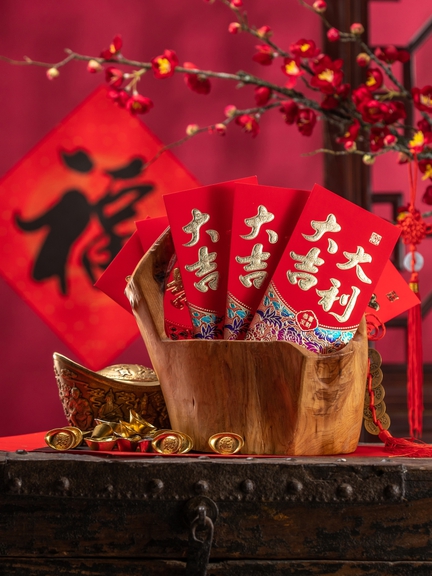
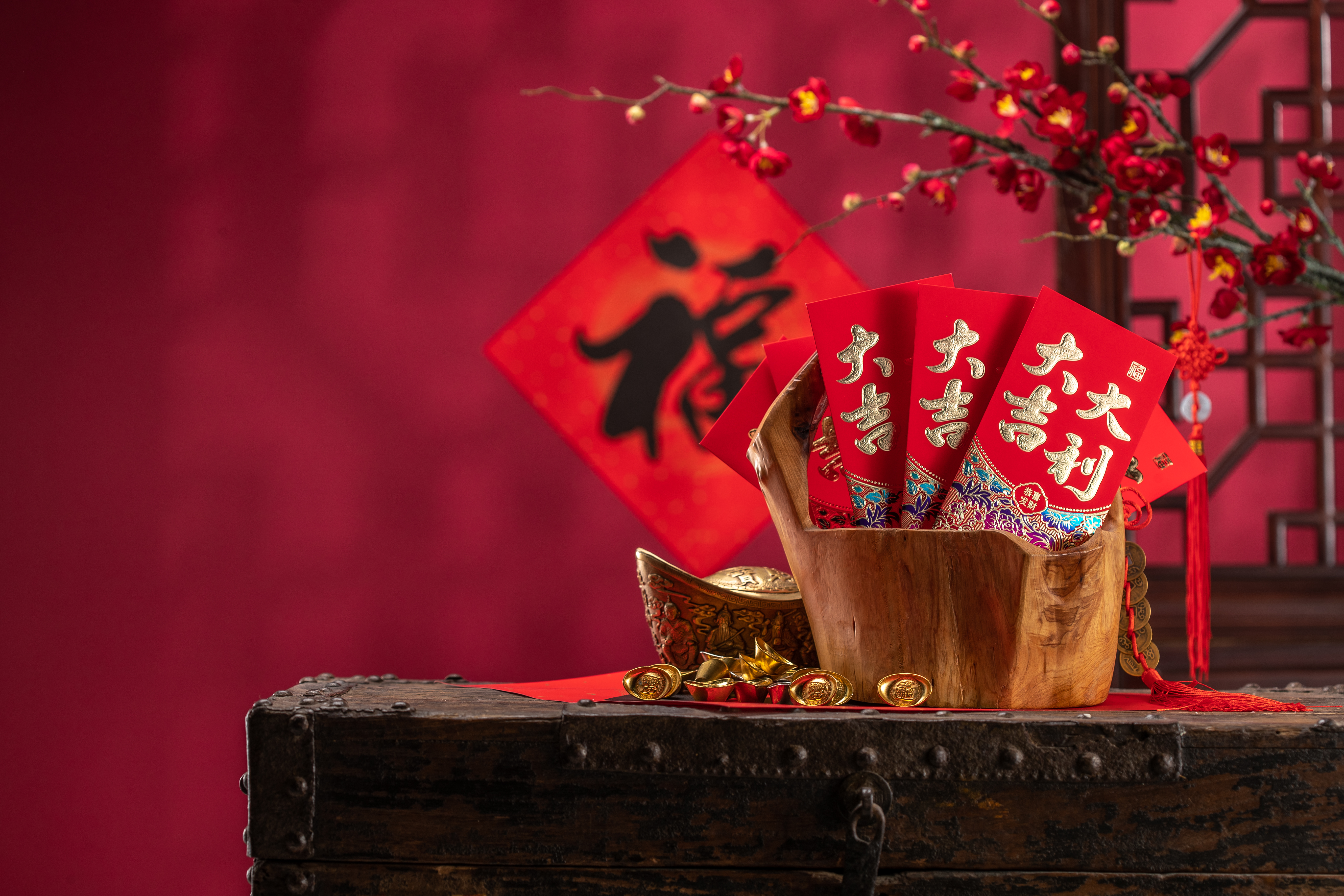
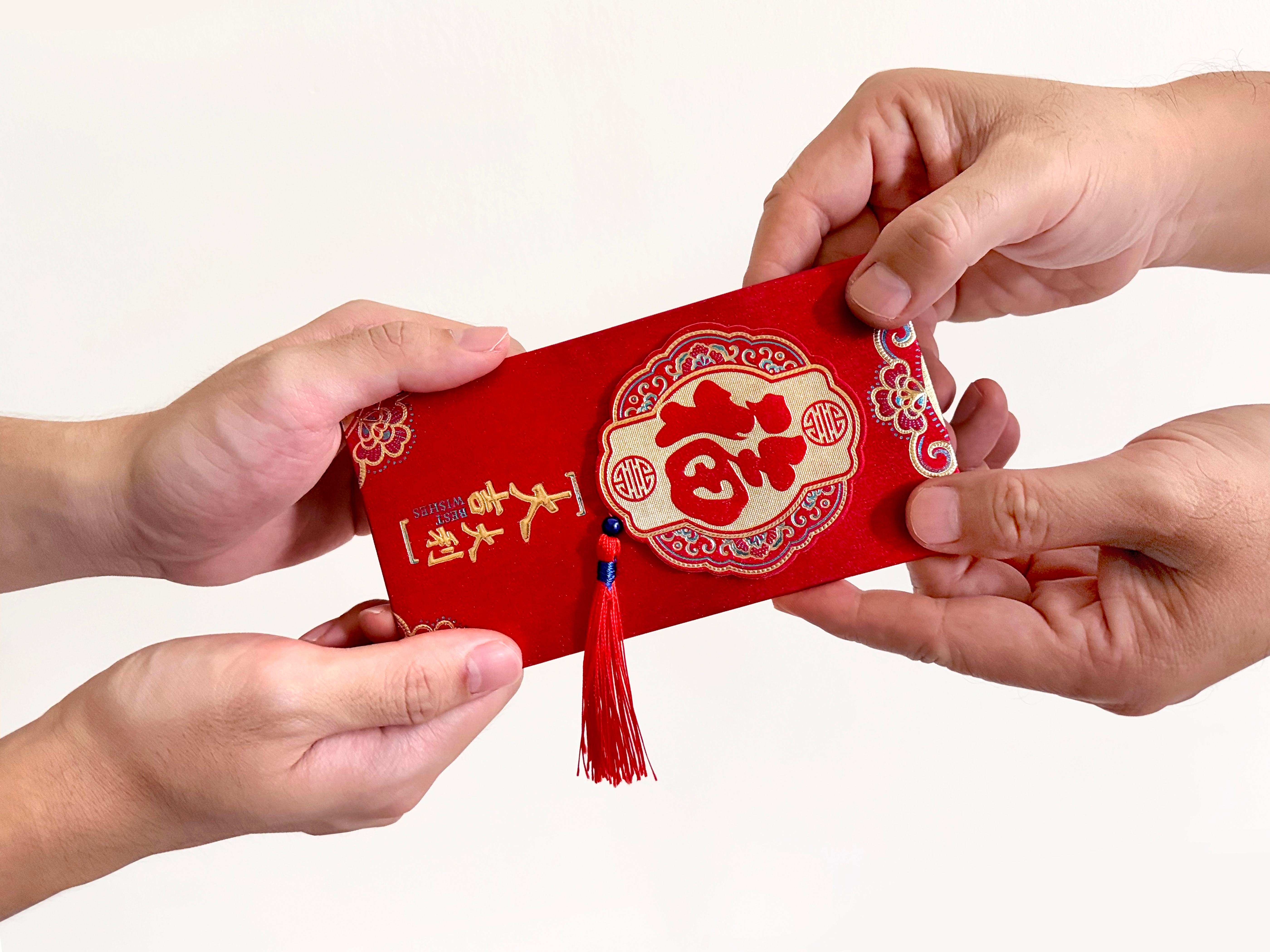
Red envelopes, also known among the people as red gift pouches or cash envelopes, refer to money wrapped in red paper and given by elders to children during the Chinese New Year. During the Spring Festival, elders usually distribute red envelopes to younger family members after midnight on Chinese New Year's Eve. This is known as giving "yasui qian" (lucky money for the Chinese New Year).
Historical Origins
The earliest concept related to red envelopes, known as "yansheng qian" (talismanic coins for warding off evil), emerged in the Han Dynasty. Traditional "yasui qian" also had several folk aliases that were pronounced the same but written differently in Chinese, each with distinct connotations: "yasui qian" (money to suppress evil spirits), "yasheng qian" (money to subdue bad omens), "yasui qian" (money to usher in the Chinese New Year) and "shousui qian" (money for the Chinese New Year's Eve vigil). It was part of the Chinese New Year traditions. It was not currency in general circulation, but coin-shaped metal amulets worn to ward off evil.
During the Ming and Qing dynasties, the term "yasui qian" came into formal use. Whether given to elders or to younger generations, such gifts were all referred to as "yasui qian."
Most Spring Festival customs practiced today have been passed down from the Ming and Qing periods. With the growing popularity of smartphones, WeChat launched its red envelope feature on January 27, 2014. The WeChat Pay system introduced a range of user-friendly functions, gradually making online red envelopes popular among the elderly.
Beautiful Symbolism
Yasui qian is one of the traditional Spring Festival customs of the Han Chinese and carries auspicious meanings. It is commonly believed to ward off evil spirits and ghosts and bring safety and peace. According to folklore, yasui qian keeps evil spirits at bay, allowing the young to spend the year in peace and safety.

The custom of giving red envelopes usually exists among close relatives and friends. In some regions, however, the practice extends to a wider circle during the New Year. The amount of money in the red envelope often carries symbolic meaning, such as 8 yuan, a homophone for "prosper," or 18 yuan, meaning "going to prosper."