
 English


 Published: February 4, 2026
 Editor: Xinxin
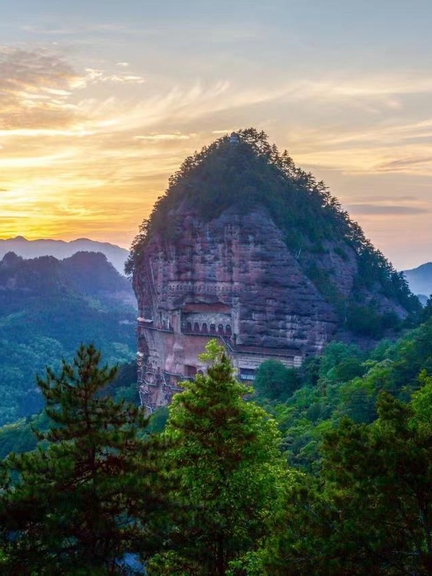
Located in Tianshui city, Gansu province, the Maijishan Scenic Area lies near the geographical heart of China, where the watershed between the Yangtze River and the Yellow River runs through the region. In 2014, the Maiji Mountain Grottoes were inscribed on the UNESCO World Heritage List as part of the Silk Road serial nomination.
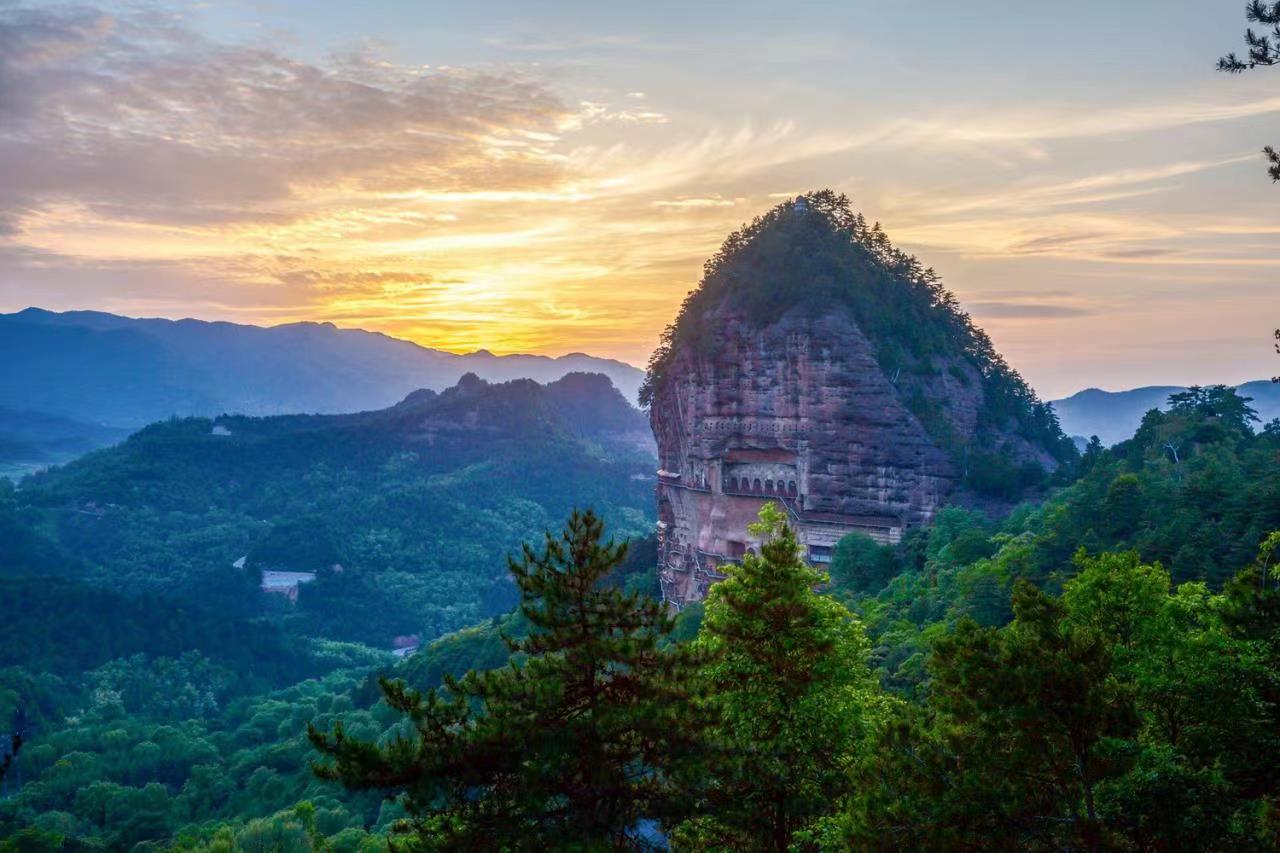
Maiji Mountain
The Maiji Mountain Grottoes were first carved during the Later Qin Dynasty (384–417) of the Sixteen Kingdoms period. Named for the mountain's resemblance to a stack of wheat—a familiar sight in rural Northwest China—the site boasts a history of more than 1,600 years. Continuous expansion through the Tang, Song, Yuan, Ming, and Qing dynasties has made it one of China's Four Great Grottoes. The scenic area comprises five sections—Maiji Mountain, Immortal Cliff(Xianrenya), Stone Gate(Shimen), Quxi Stream, and Jieting Hot Springs—and features more than 180 scenic sites. Renowned for its exquisite grotto art, the area also captivates visitors with dramatic red cliffs, tranquil valleys and springs, ancient pines clinging to steep peaks, and vast seas of clouds drifting above lush forests.
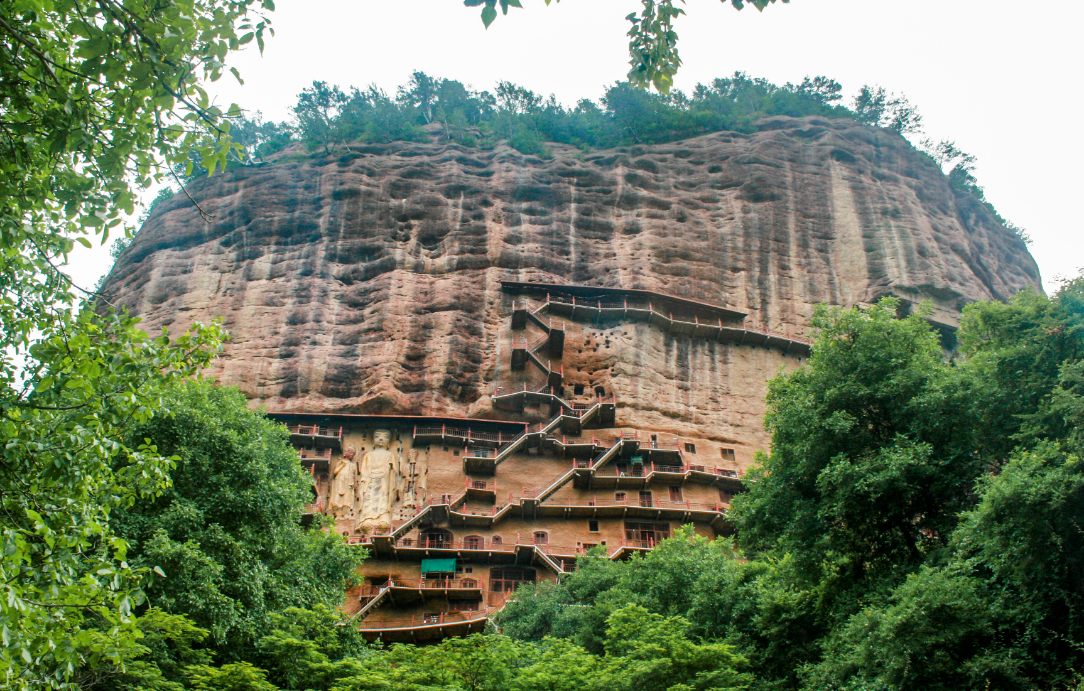
Maiji Mountain Grottoes
Famed worldwide for their exquisite clay sculptures, the Maiji Mountain Grottoes are often hailed as the "Oriental Sculpture Exhibition Room." The statues range in height from 16 meters to as small as 10 centimeters, each imbued with a vivid sense of life. Together, they present a systematic record of the evolution of Chinese clay sculpture over more than a millennium. These graceful, expressive figures capture social life and everyday customs from the Tang and Song dynasties through the Ming and Qing, and hold immense historical, cultural, and artistic value.
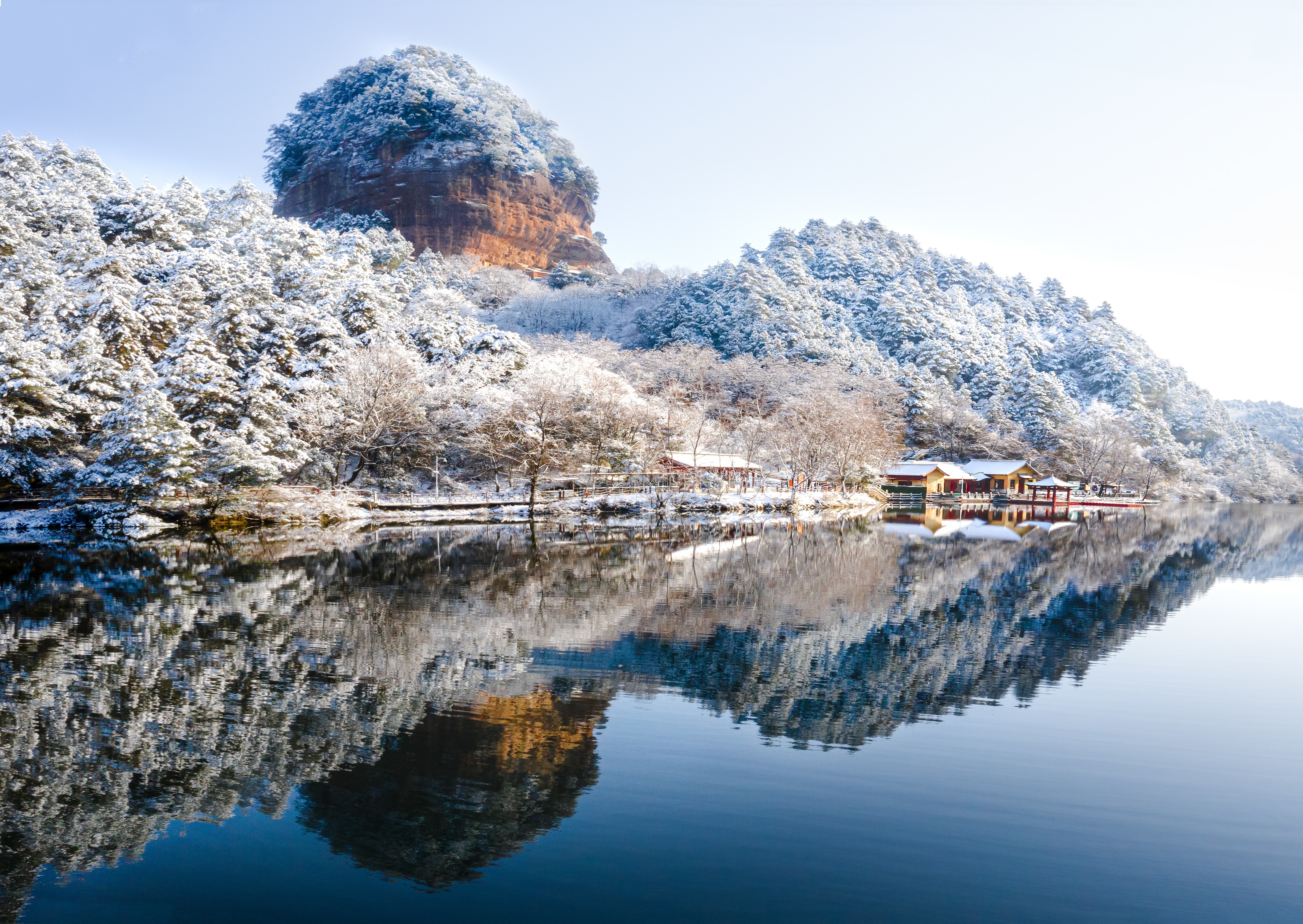
Immortal Cliff
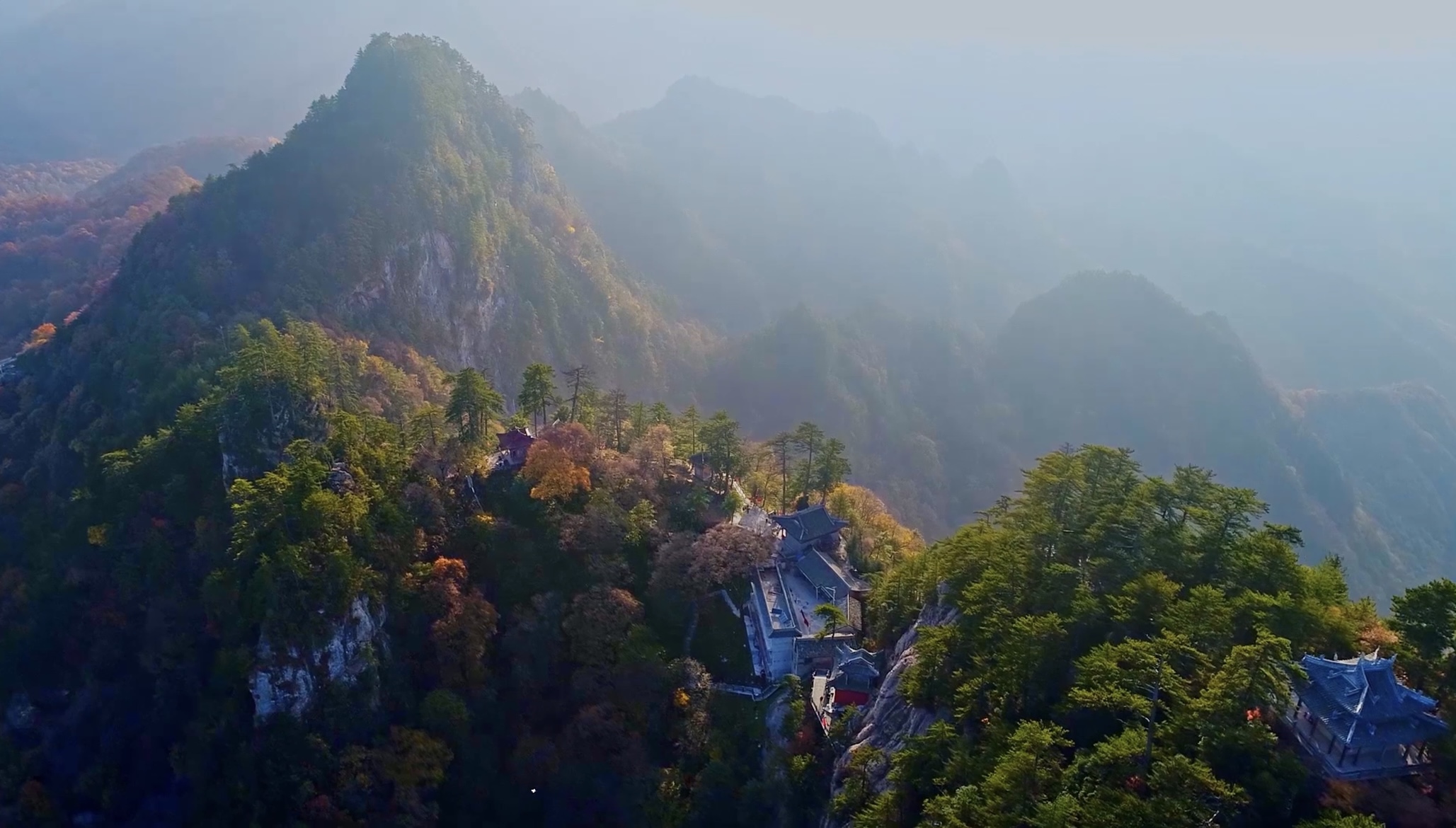
Stone Gate
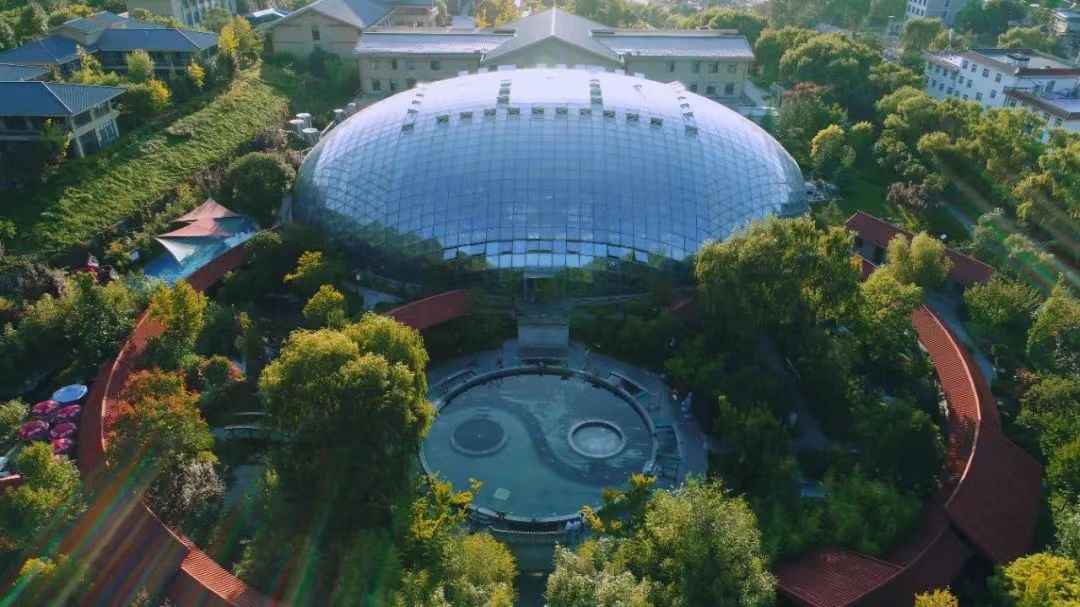
Maiji Mountain Hot Springs