
 English


 Published: November 28, 2025
 Editor: Cao Xuewen
Cloisonné, also known as "copper-body filigree enamel", flourished during the Jingtai Period of the Ming Dynasty. As its enamel glazes were predominantly blue, the craft later became known as "Jingtai Blue". In 2006, the cloisonné enameling technique was included in the first National Intangible Cultural Heritage List.
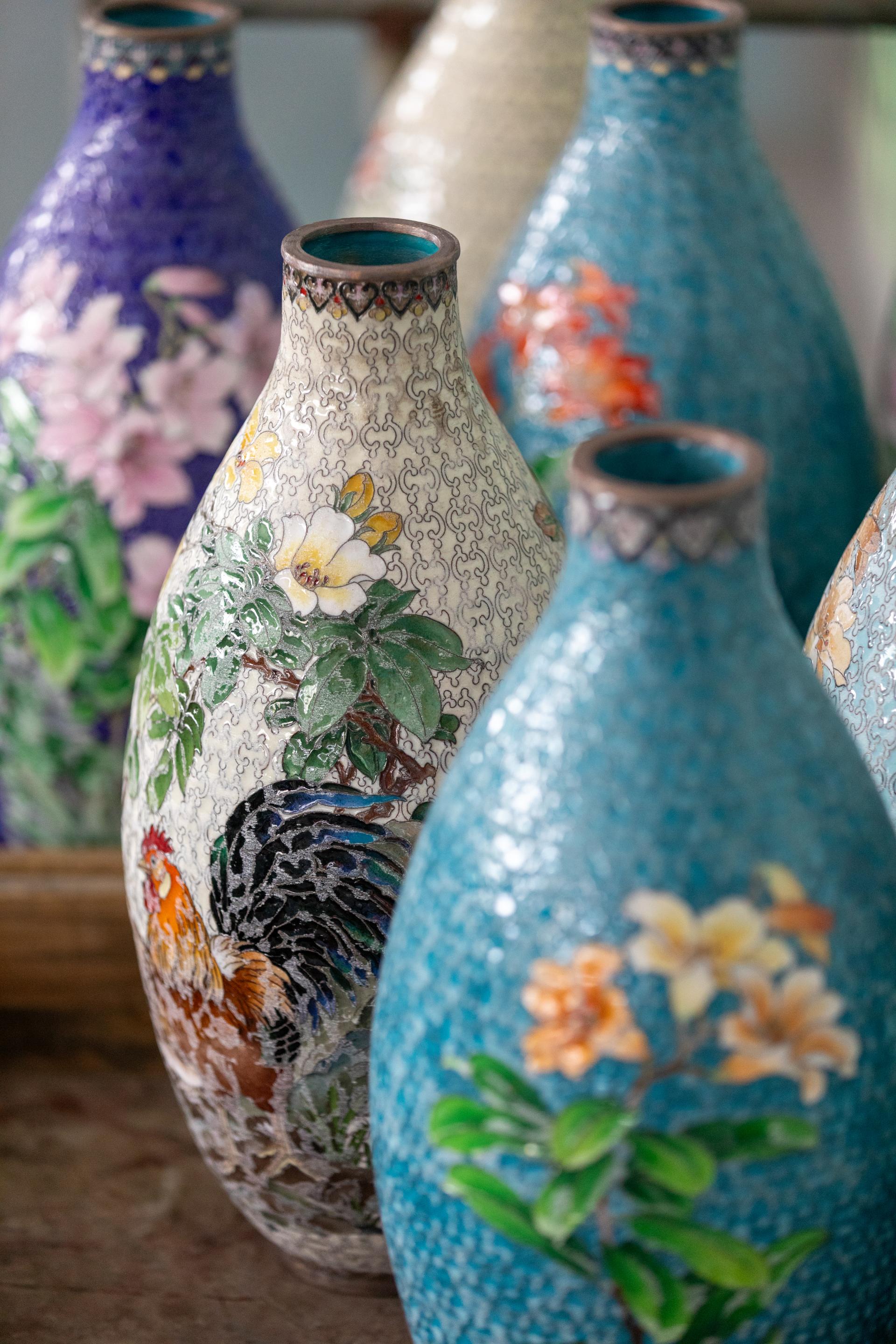
Beijing Cloisonné Artwork
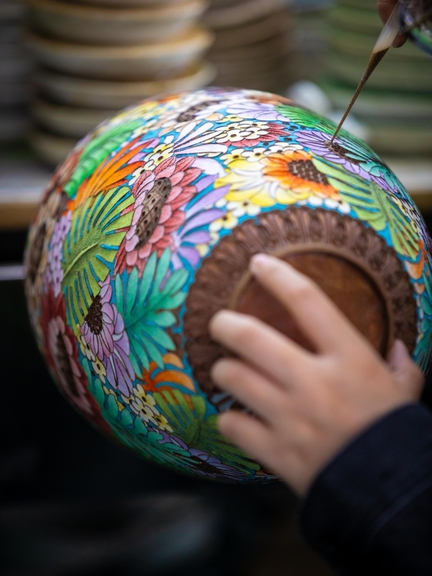
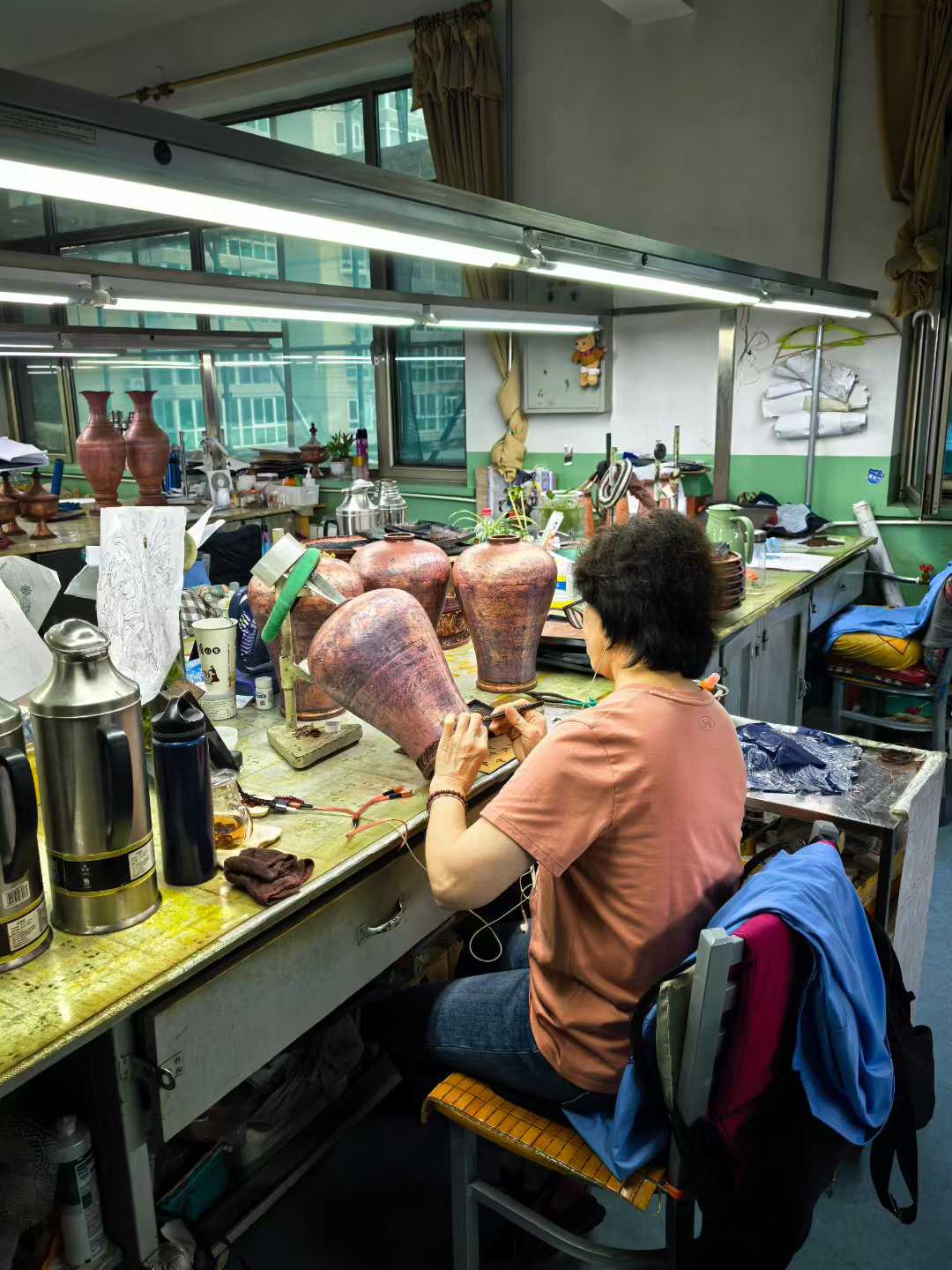
Creating a piece of cloisonné requires seven major steps: design, forming the copper body, filigree inlay, applying enamel glaze, repeated firing, gilding, and polishing—covering a total of 108 processes. Cloisonné pieces are often presented as national gifts to foreign guests.
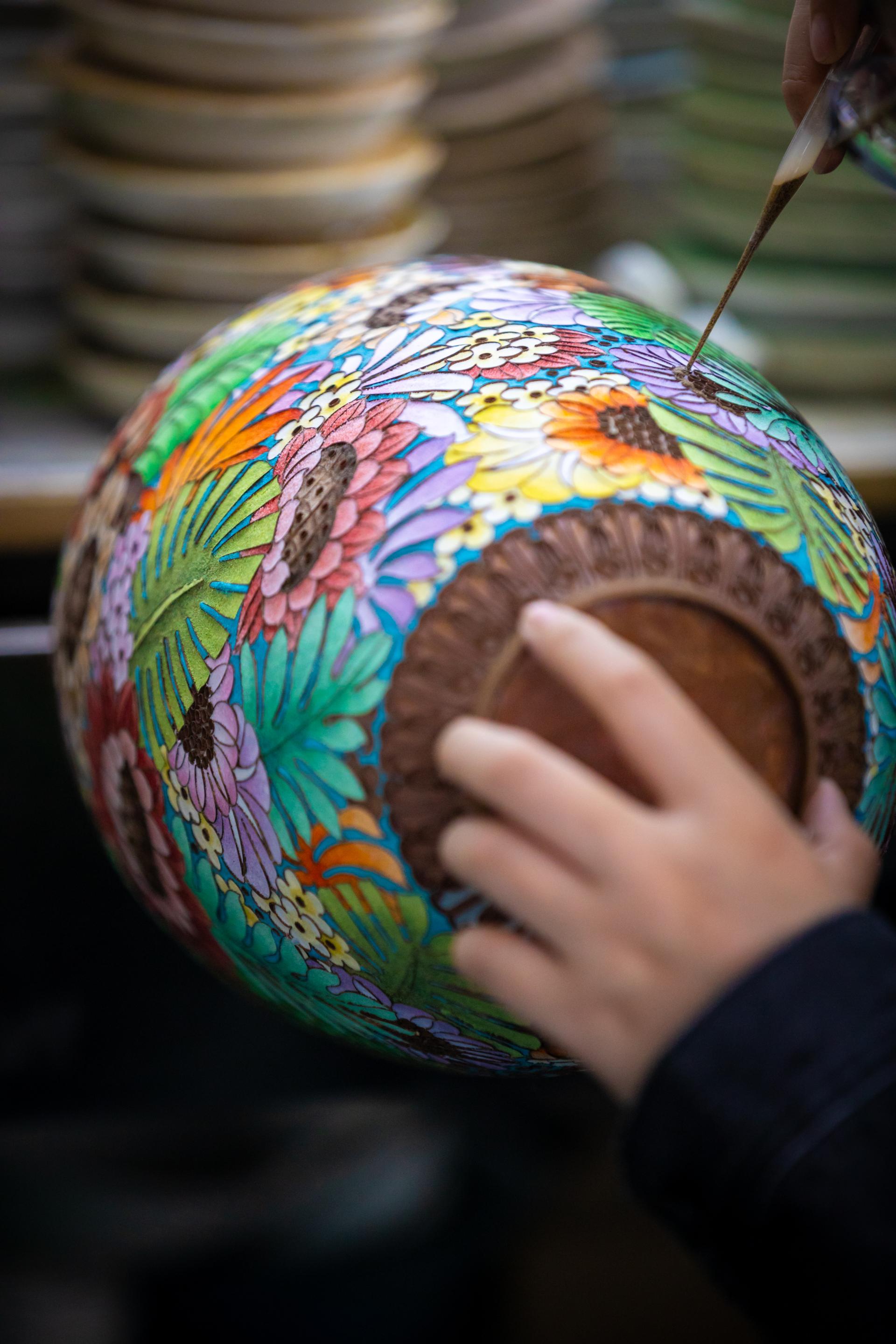
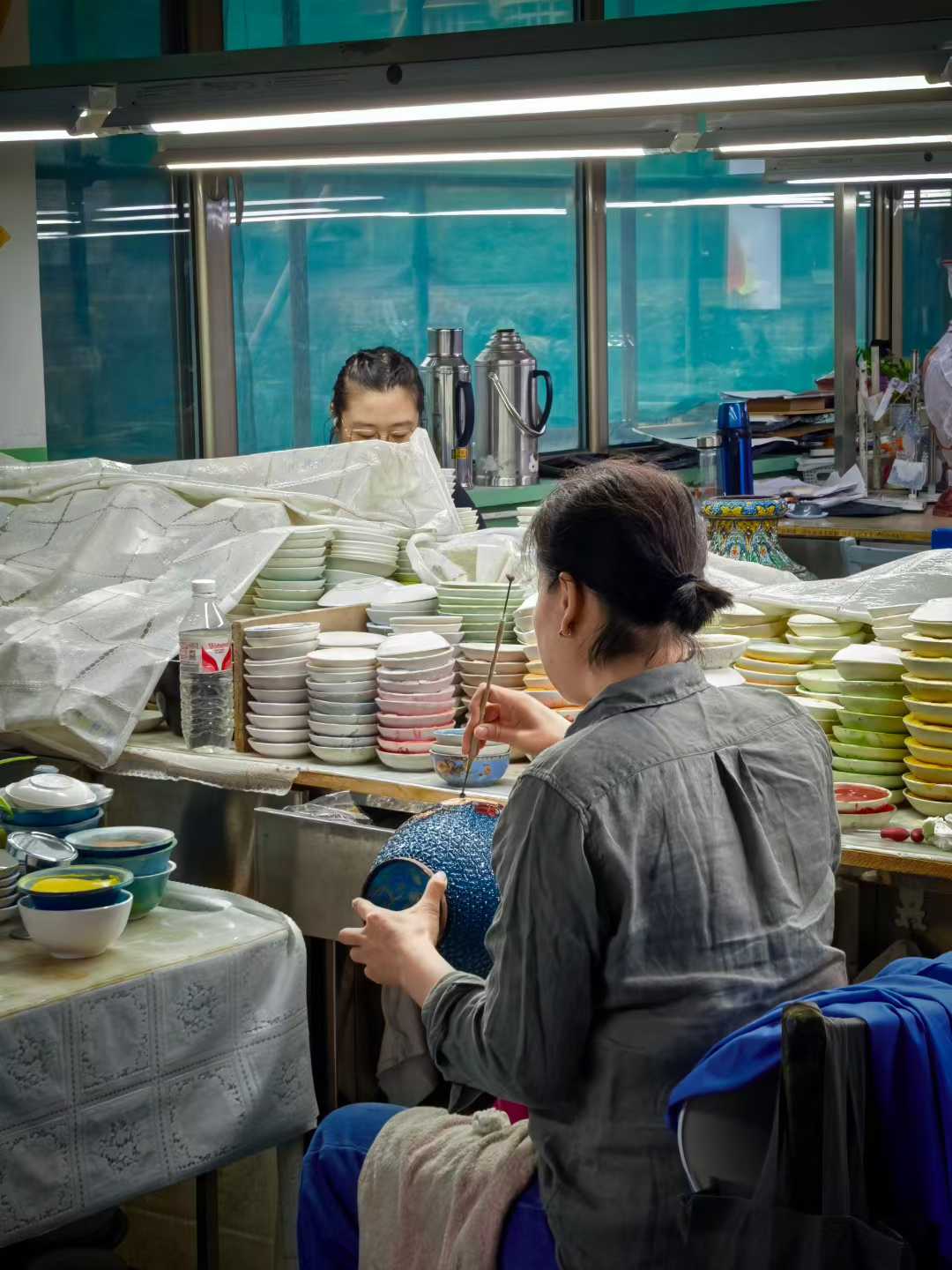
Dotting enamel glaze in the cloisonné enameling process
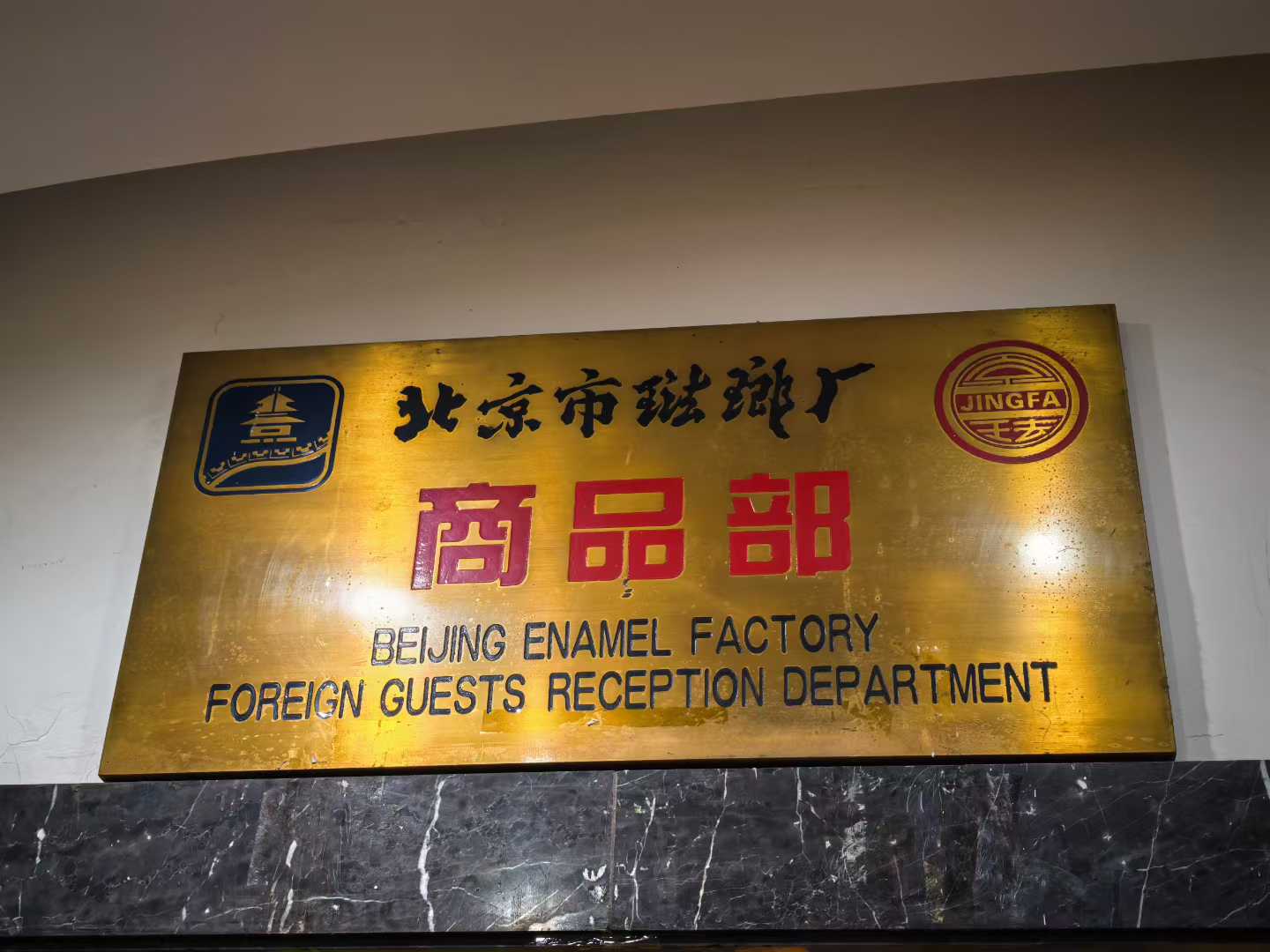
Recommended Place to Visit: Beijing Enamel Factory
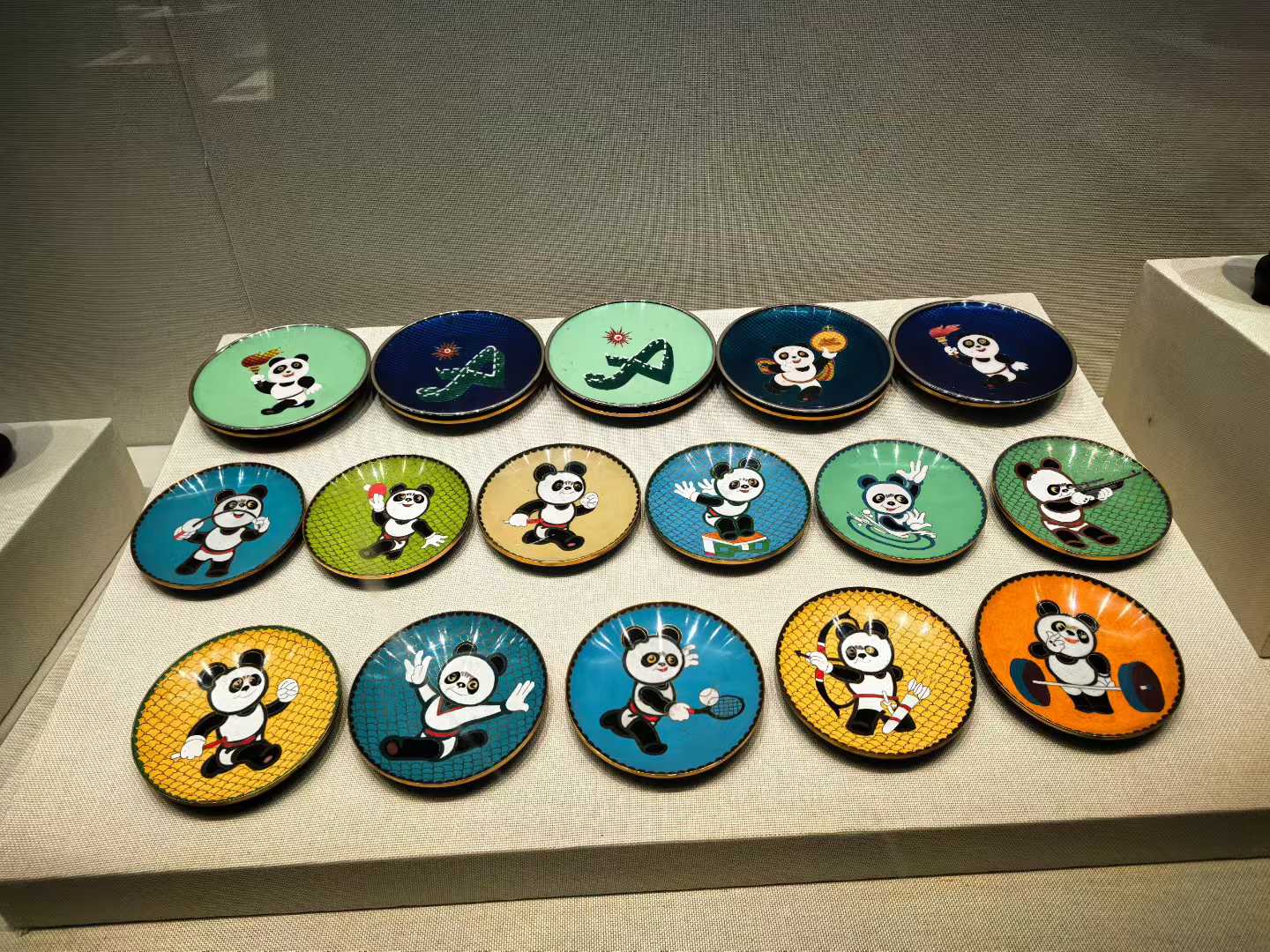
Founded in 1956, Beijing Enamel Factory is the only time-honored enterprise in China's cloisonné industry. The main structurein the factory is a three-story building. Inside the building, the third floor houses China Cloisonné Art Museum, which systematically showcases the complete development of the craft; the second floor features a cloisonné workshop and sales area, offering a close-up view of production techniques and processes; the first-floor gallery sells cultural and creative products made with cloisonné craftsmanship. The factory also hosts occasional hands-on activities, where participants can try filigree work and dotting enamel under the guidance of professional craftsmen.
 Opening Hours: Open year-round, 09:00–16:00