
 English


 Published: November 27, 2025
 Editor: Ruoxi
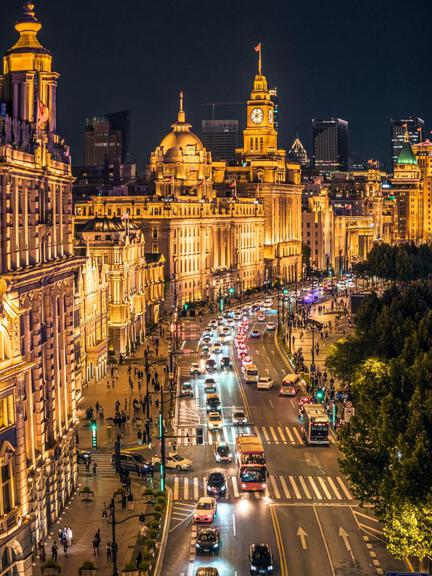
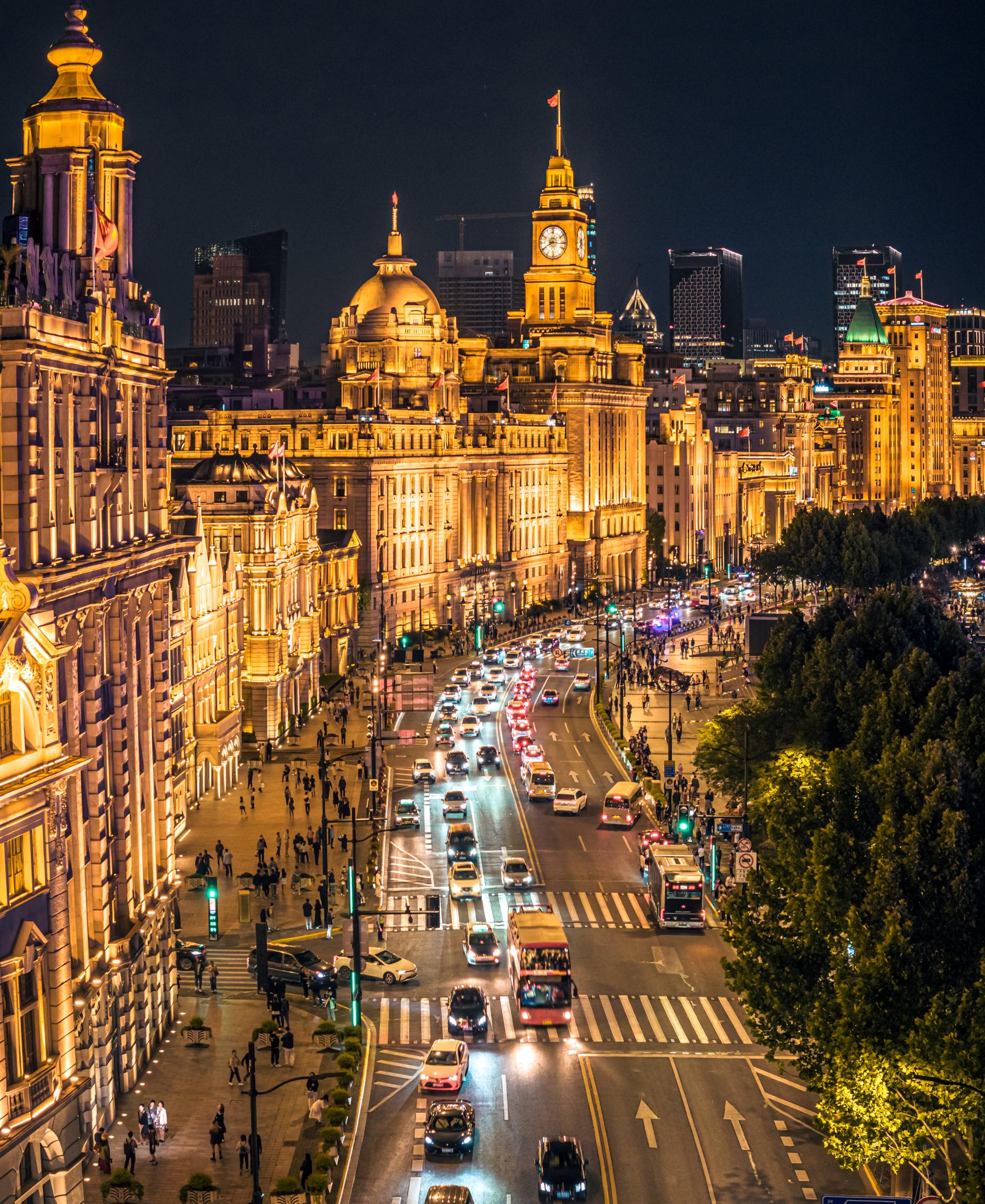
Stretching along the west bank of the Huangpu River, from Waibaidu Bridge in the north to Dongmen Road in the south, the Bund Architectural Complex in Shanghai spans approximately 1.5 kilometers in Huangpu District. This iconic strip is home to 52 distinctive structures, showcasing an impressive spectrum of architectural styles, including Gothic, Romanesque, Baroque, and Sino-Western hybrid designs. Mostly constructed between the late 19th and the 1930s, these buildings stand as a powerful testament to Shanghai's historical status as the financial hub of the Far East and represent a condensed showcase of the city's modern history and architectural heritage.
Signature Buildings
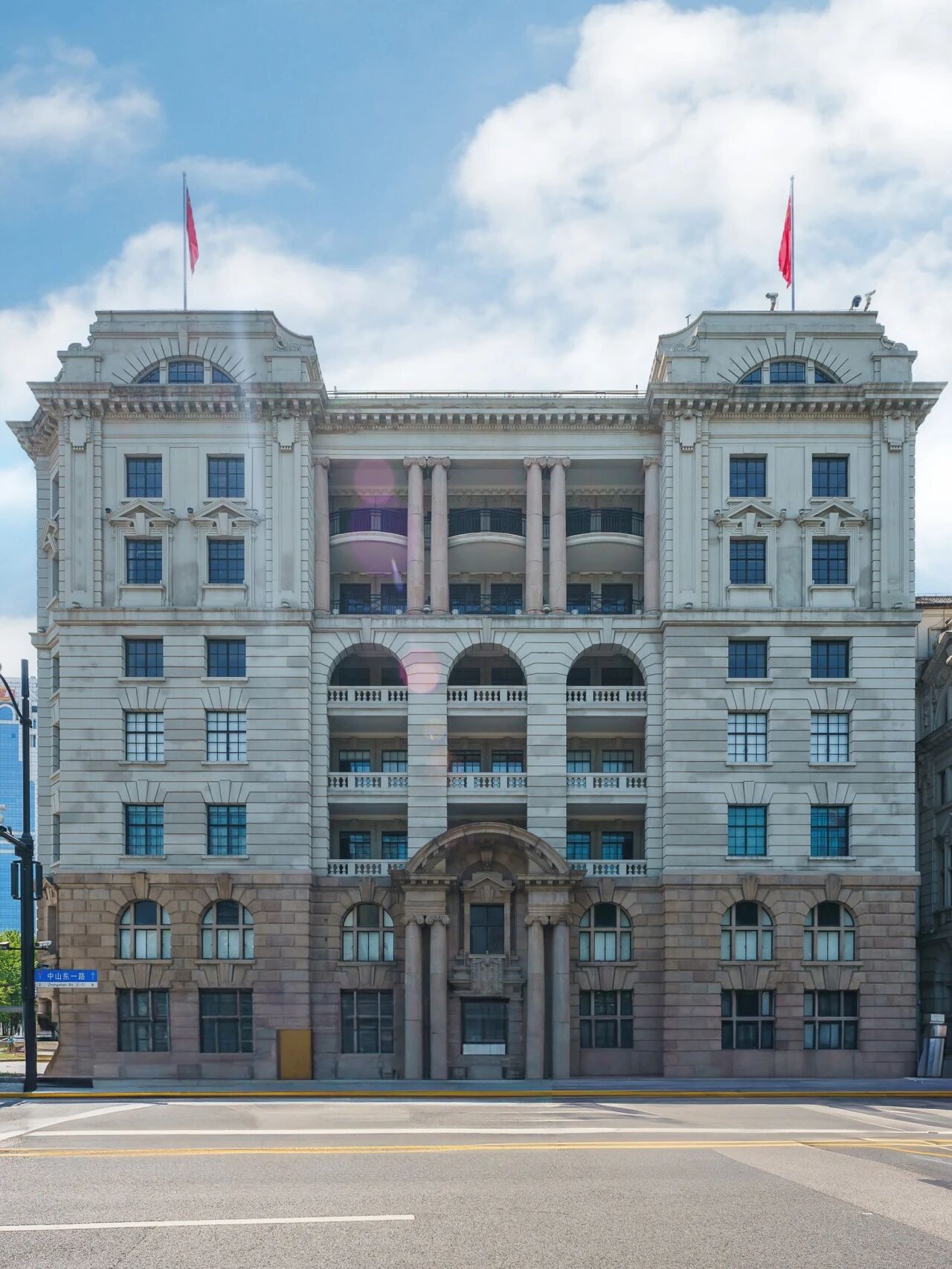
McBain Building: Sporting an Eclectic design, the McBain Building's principal face is rendered in the Baroque mode, defined chiefly by Ionic-style columns. What truly sets it apart from the Bund International Architecture Exhibition is its central light well, creating a rare ring-like floor plan (shaped like the Chinese character "回"). This earned it a widespread nickname "Number One Building on the Bund."
HSBC Building (now the Shanghai Pudong Development Bank): Completed in 1923, this structure is a prime example of Neo-Grec architecture. Its façade employs a horizontal tripartite division, crowned by a dome reminiscent of the Roman Pantheon. Inside, it features an exquisite century-old mural. At the time of its completion, it was the largest bank building in the Far East.
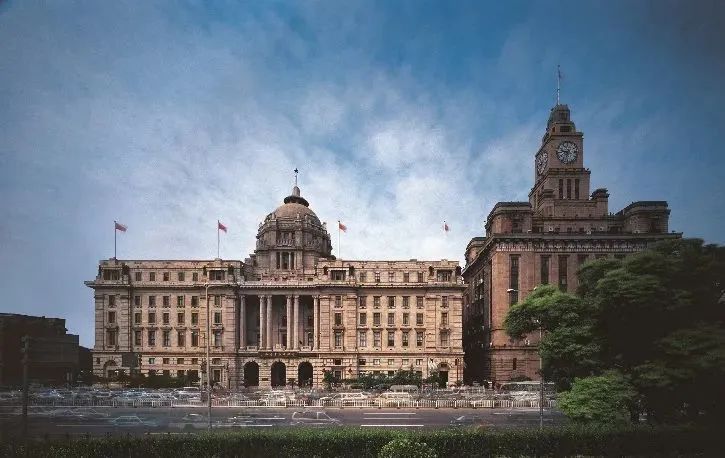
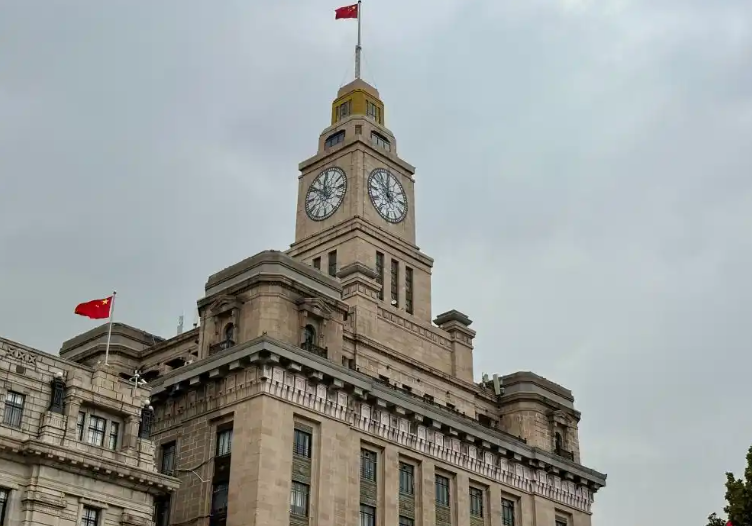
Custom Building: Finished in 1927, this structure showcases the Greek Revival-inspired Neoclassical style. The accompanying clock tower features a clock that is the largest of its kind across Asia. In 2025, the interior of the building was opened to the public for the first time.
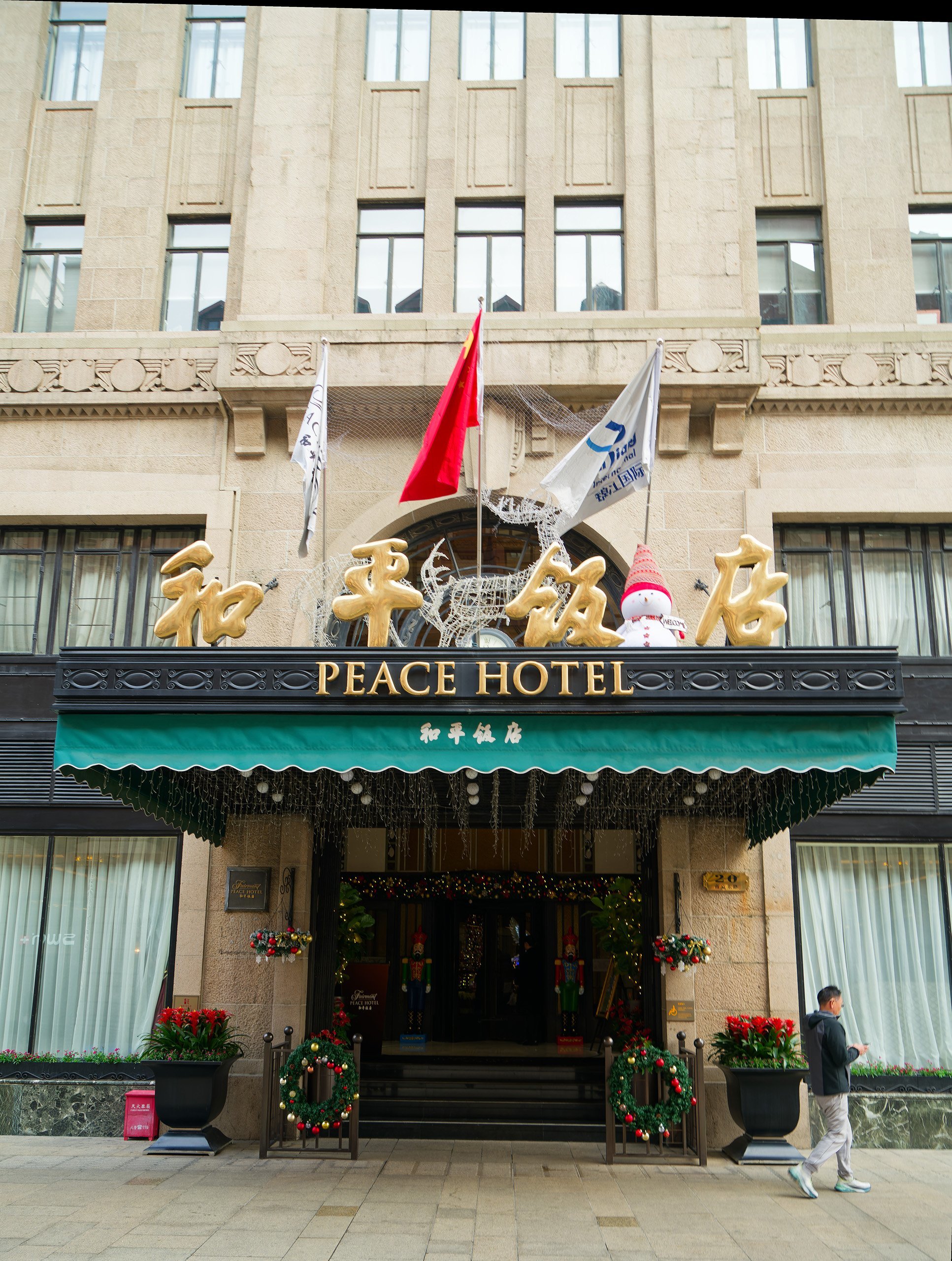
Peace Hotel (also Known as Fairmont Peace Hotel): The northern wing of the Peace Hotel represents the zenith of Art Deco design, crowned with a conical, antique-looking roof clad in patinated copper. It boasts the exquisite Nine Nations Suites and hosts the legendary Old Jazz Band of Shanghai. The southern wing, formerly the Central Hotel, now serves as Swatch Art Peace Hotel, skillfully merging its Renaissance architectural heritage with modern artistic venues.
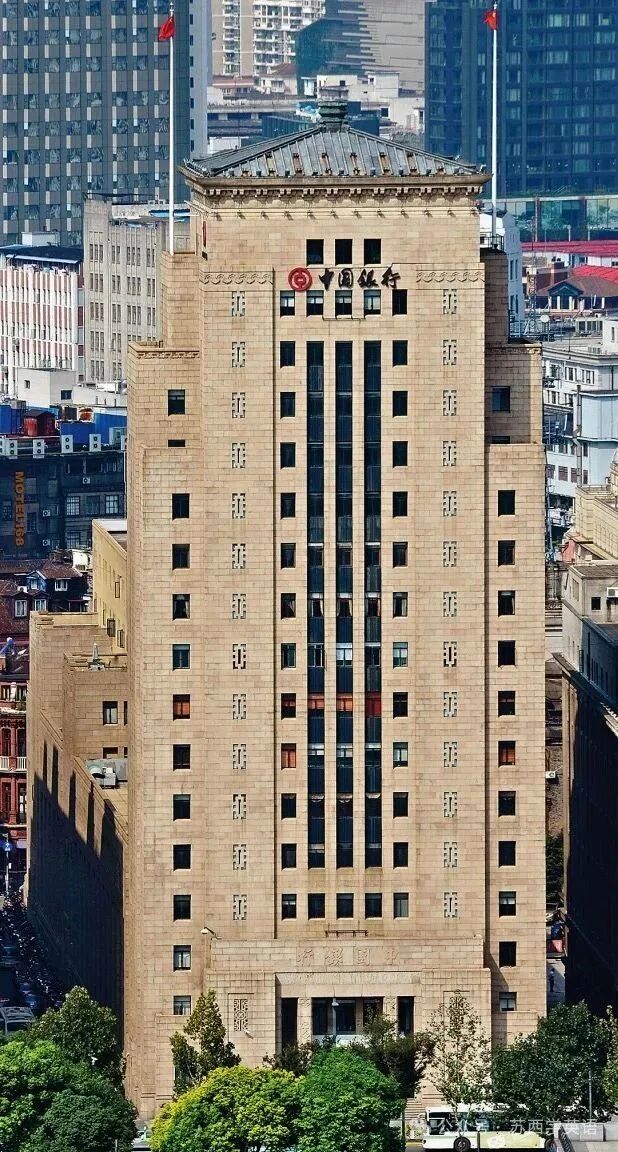
Bank of China Building: Erected in 1937, this build is notable for being the sole high-rise among the Bund Architectural Complex conceived and built entirely by Chinese architects. It represents a harmonious blend of advanced Western building technology and traditional Chinese stylistic elements.
How to Explore the Bund
1. Strolling along the Bund Promenade
Daytime: Take in the dramatic contrast between the contemporary skyline of Lujiazui across the river (featuring iconic landmarks like the Oriental Pearl Tower and Shanghai Tower) and the historic Bund International Architecture Exhibition lining the Bund.
Nighttime: Witness the captivating spectacle as the lights of both banks illuminate the Huangpu River, creating a mesmerizing nocturnal scene.
2. Taking a Night Cruise on the Huangpu River
Enjoy panoramic views of the Bund from the water, experiencing the unique atmosphere created by the interplay of river breezes and dazzling neon lights.
3. Exploring Historic Interiors
Selected heritage buildings along the Bund are open to the public, allowing visitors to step inside and appreciate the architectural nuances and rich history up close.
4. Wandering Down Nanjing Road Pedestrian Street
A short walk from the southern end of the Bund leads to "Number One Commercial Street in China," offering a seamless transition from the historical district to a bustling modern shopping hub.