
 English


 Published: February 10, 2026
 Editor: Xinxin
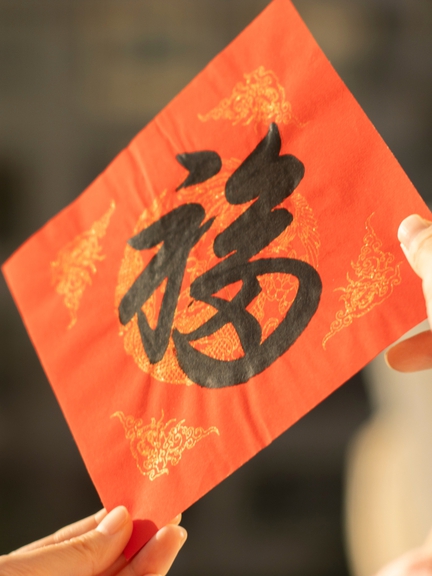
Pasting the character "Fu" (福) during the Spring Festival is a long-standing folk custom in China. The modern interpretation of "Fu" is "happiness," while in the past it often referred to "good fortune" or "auspicious luck." Pasting the character "Fu" during the Spring Festival expresses people's yearning for a happy life and their hopes for a better future.
Historical Origins
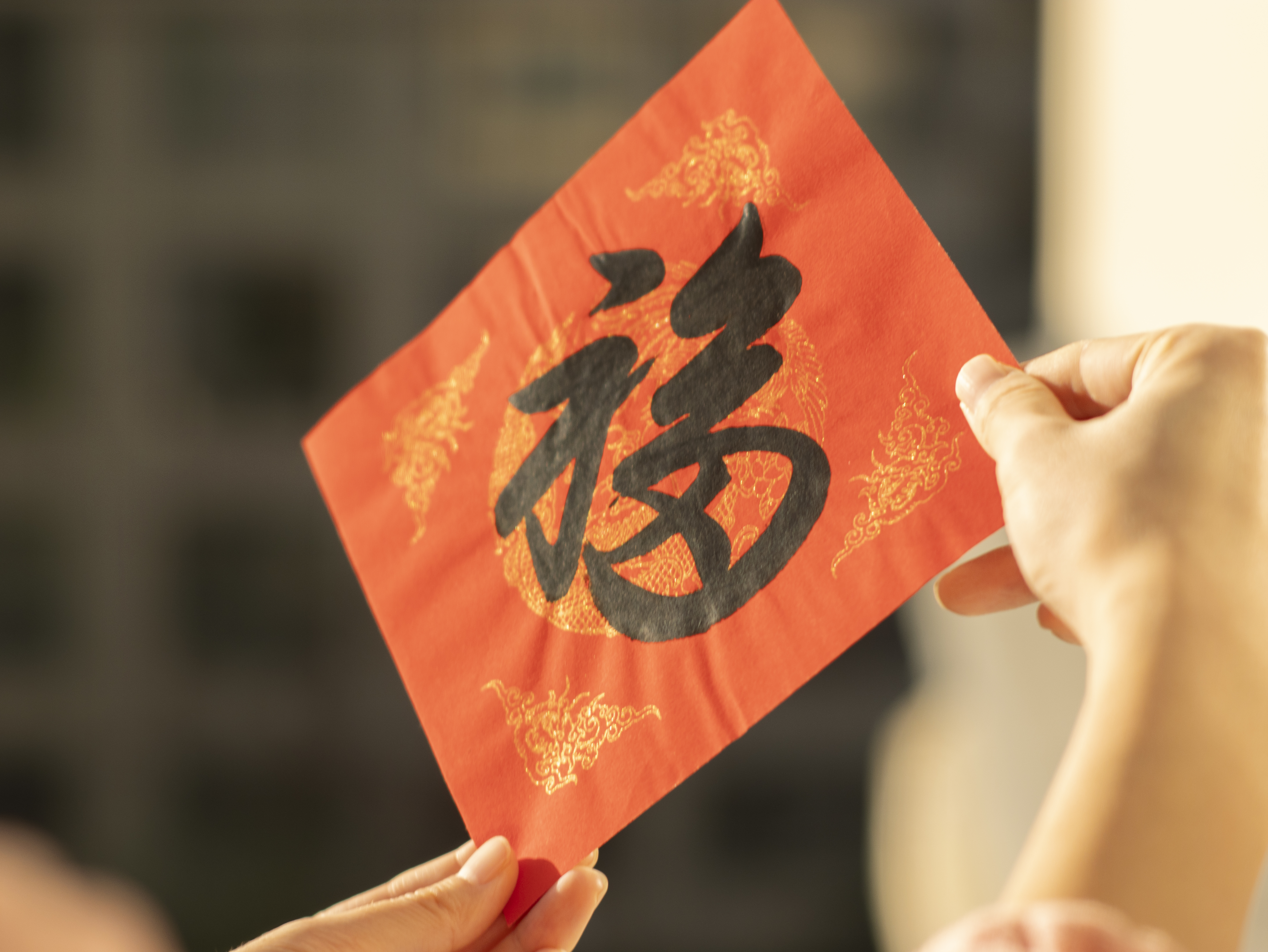
The character "Fu" is not only a symbol through which people to pray for peace and good fortune, but also demonstrates the depth and diversity of Chinese calligraphy. As early as more than three thousand years ago, during the Shang and Zhou dynasties (c. 1600–256 BCE), the character "Fu" already appeared in different structural forms on bronze inscriptions. Later, with the emergence of scripts such as Xiaozhuan (Small Seal Script), Lishu (Clerical Script), Caoshu (Cursive Script), Kaishu (Regular Script) and Xingshu (Running Script), the calligraphic forms of "Fu" became increasingly varied and artistic. Later generations also compiled calligraphic collections such as "Hundred Fu Characters" and "Thousand Fu Characters," which bring together a wide range of written forms of the character.
Beautiful Symbolism
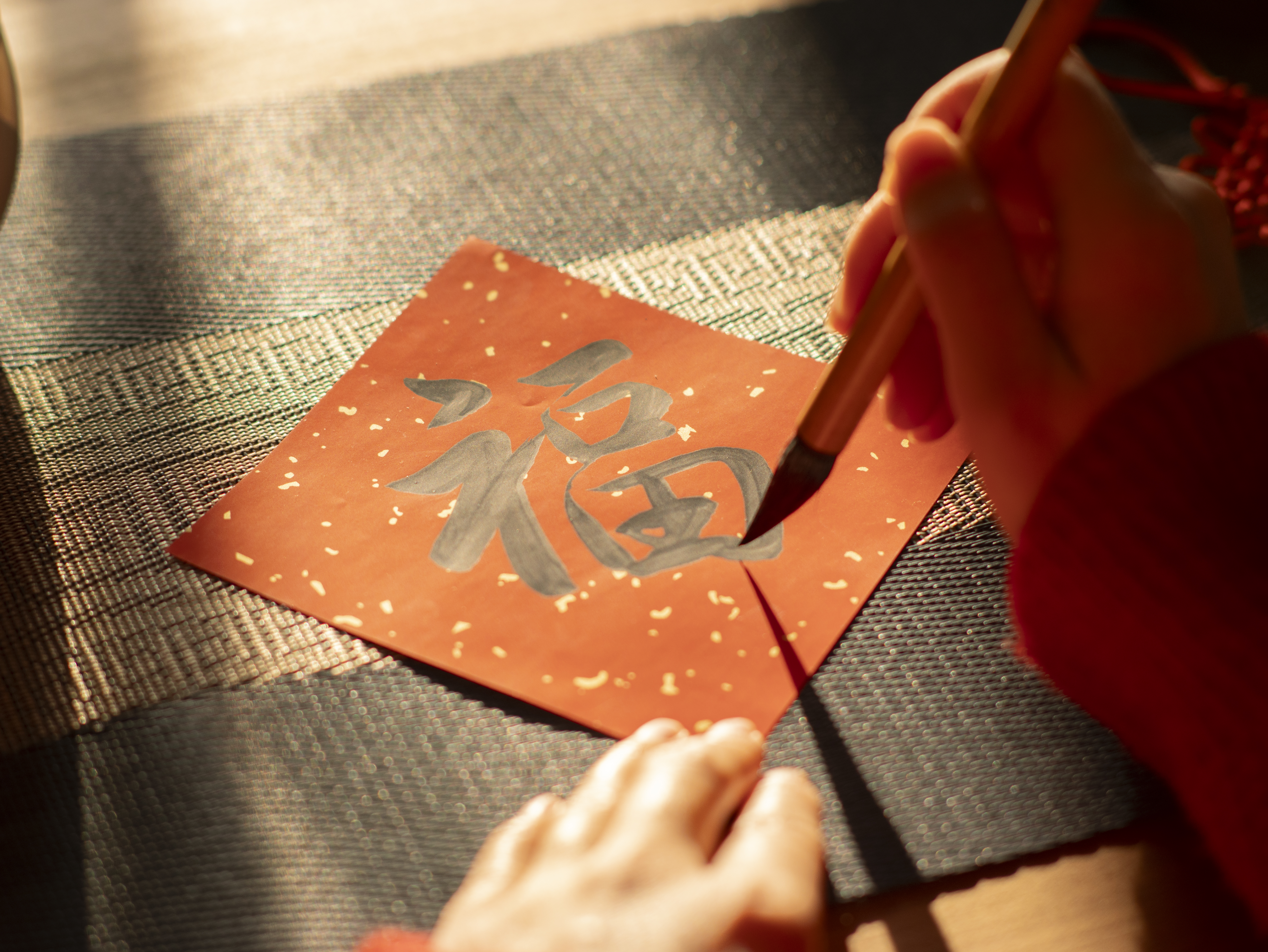
There are traditional rules for pasting the character "Fu". On main doors, it should be pasted upright, meaning "opening the door to welcome good fortune"; if pasted upside down, it symbolizes the arrival of fortune, as the word for upside down sounds the same as "arrive" in Chinese. There is also a folk tradition of carefully drawing the character "Fu" into various decorative designs, including the God of Longevity, longevity peaches, a carp leaping over the dragon gate, abundant harvests of the five grains, and the dragon and phoenix motif, representing harmony and prosperity.