
 English


 Published: November 28, 2025
 Editor: WangYing
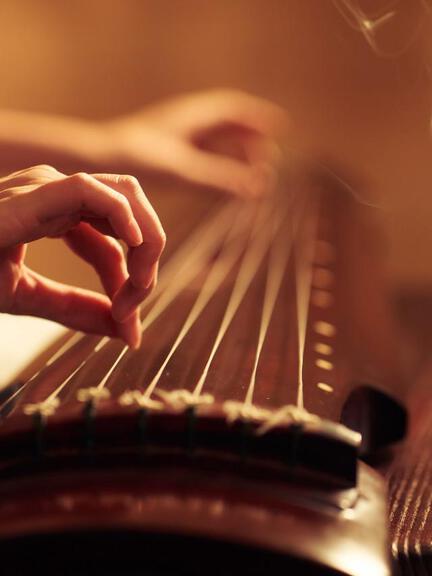
With a history stretching back more than three thousand years, the guqin, also known as the yaoqin or Seven-Stringed Qin, is one of China's most ancient plucked musical instruments. Throughout classical Chinese history, the guqin was highly esteemed by scholars and literati, serving as a profound symbol of noble character and moral integrity. The timeless tale of Yu Boya and Zhong Ziqi from the Spring and Autumn period, famously known as "High Mountains and Flowing Water," beautifully encapsulates the instrument's deep association with the culture of finding a zhiyi (someone who understands or appreciates one's sound or music), a concept that has endured for centuries. In recognition of its cultural significance, the art of the guqin was inscribed in 2003 by UNESCO on the Representative List of the Intangible Cultural Heritage of Humanity.
Top Picks for Visitors
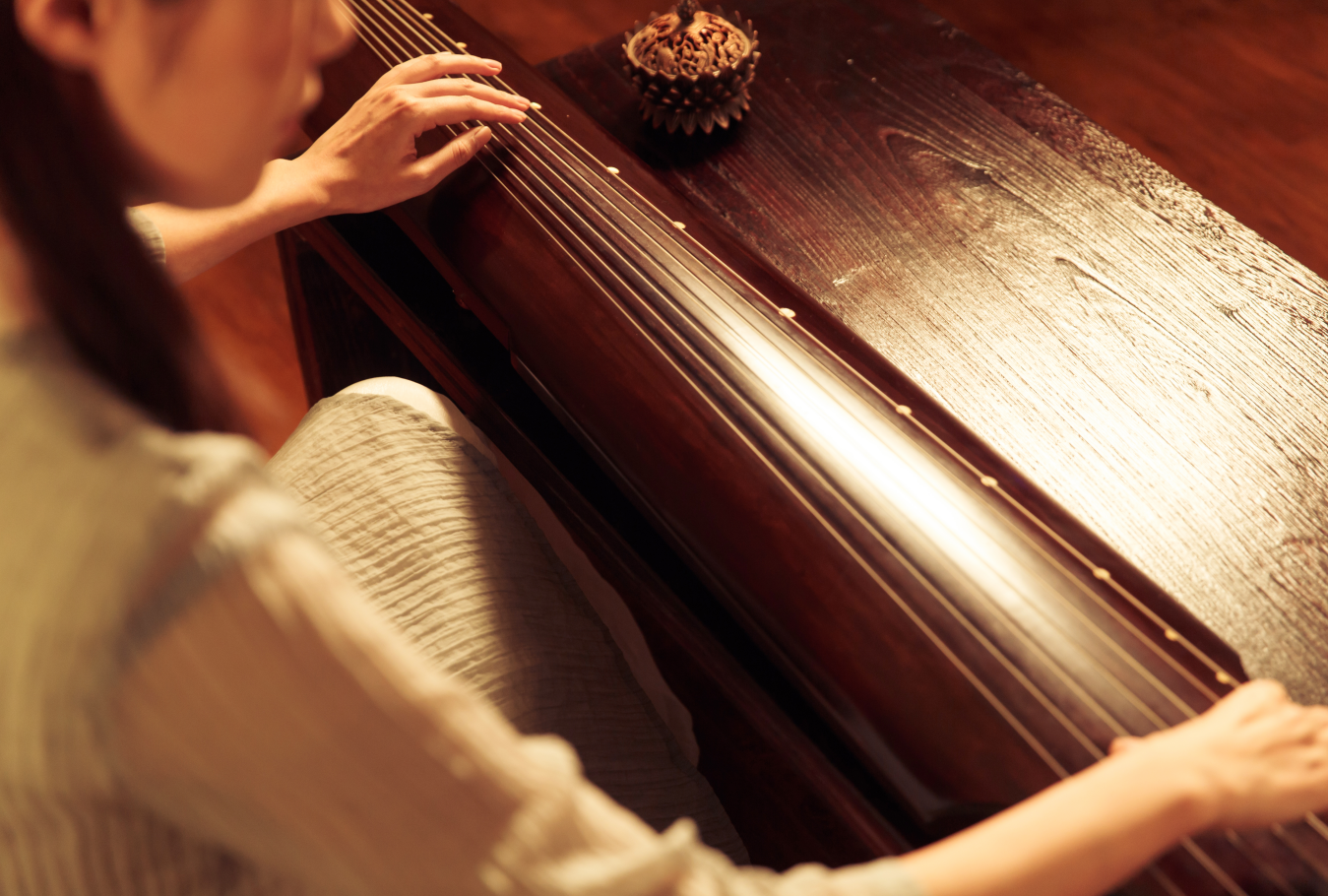
1. Jun Tian Fang, Beijing
This is more than just a qin hall; it's a comprehensive cultural hub that integrates the entire spectrum of guqin culture, from instrument crafting and instruction to scholarly research and performance.
2. Du Fu Thatched Cottage Museum (Caotang Qin Society), Chengdu
Listen to a piece performed in the very cottage that housed the great Tang Dynasty poet, Du Fu, allowing the sound to conjure a specific sense of Eastern serenity.
3. Xihu Qin Society, Hangzhou
Perched beside the West Lake, this society is the custodian of the celebrated Zhejiang guqin tradition, which spans over a century. Visitors can sign up for single-session hands-on workshops to grasp foundational techniques, all while enjoying the scenic blend of water and mountains that defined the cultured existence of the Jiangnan literati.
What to Expect
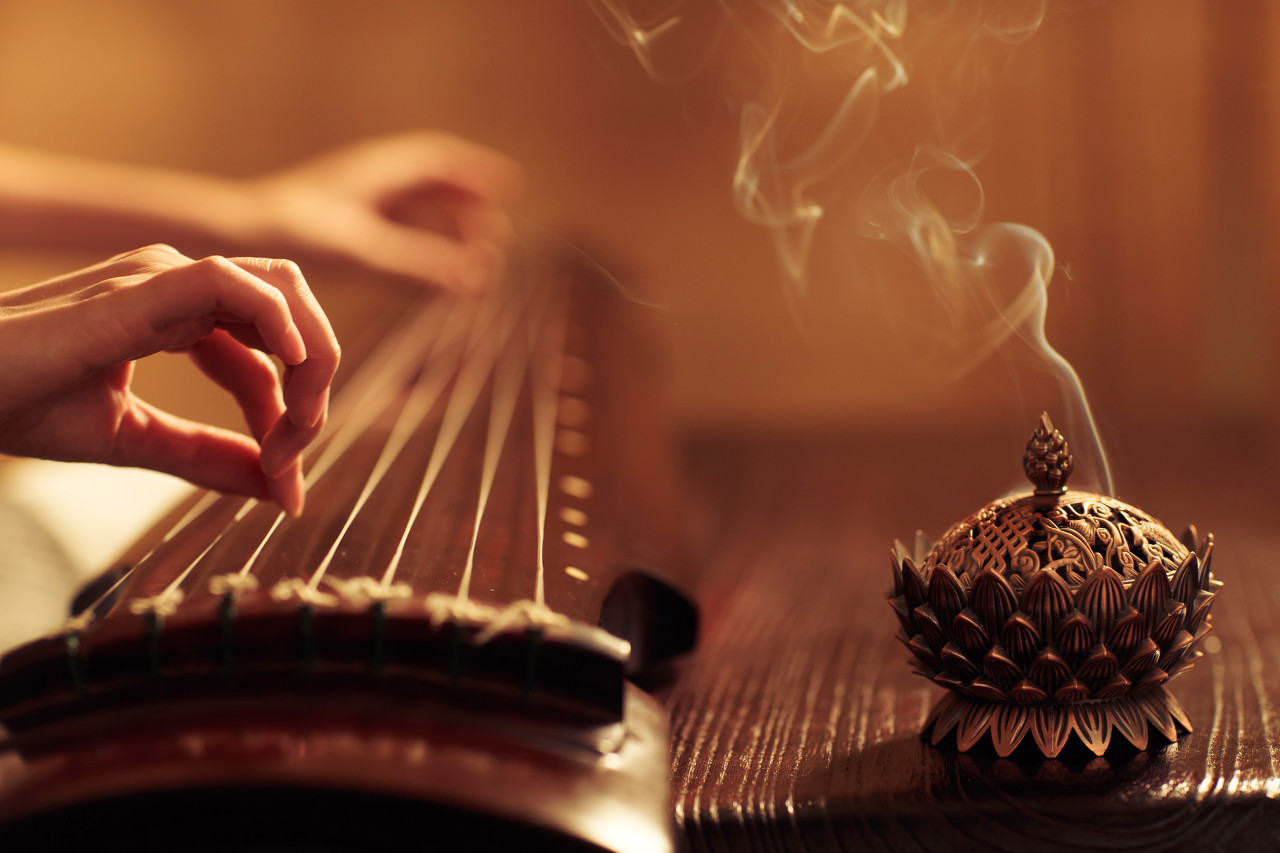
Listen to the Guqin, Unravel History: Learn the ancient instrument's cosmological significance—its representation of the universe, nature, and human life—and be captivated by the zhiyi story of Yu Boya and Zhong Ziqi.
Try Your Hand at Plucking: Under the guidance of an instructor, attempt fundamental fingering techniques like gou (middle in) and tiao (index out).
Appreciate Timeless Masterpieces: Enjoy classic compositions such as "Liu Shui" (Flowing Water) and "Guangling San", experiencing the ethereal depth, profound resonance, and emotional power inherent in traditional Chinese music.
Grasp Eastern Philosophy: Through the instrument's music, come to understand the aesthetic ideals of "a subtle and tranquil beauty with a sense of remoteness" and the wisdom of "unity of man and nature," offering a glimpse into the spiritual world of ancient Chinese literati.