
 English


 Published: December 29, 2025
 Editor: Yang Shuo
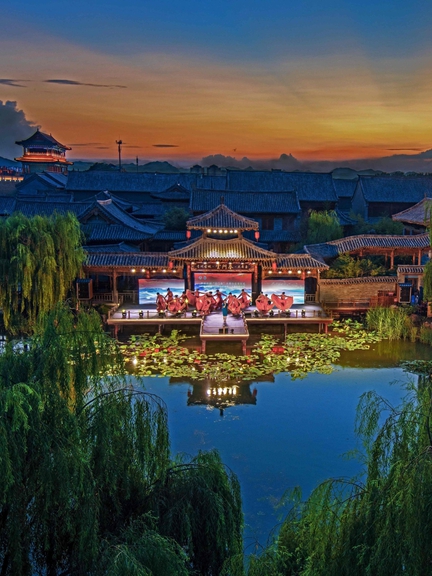
The beauty of Qingzhou Ancient City lies in the very texture of its bricks and tiles, quietly infused with history. With an urban development history spanning more than 2,200 years, Qingzhou stands as a living testament to China’s enduring civilization.
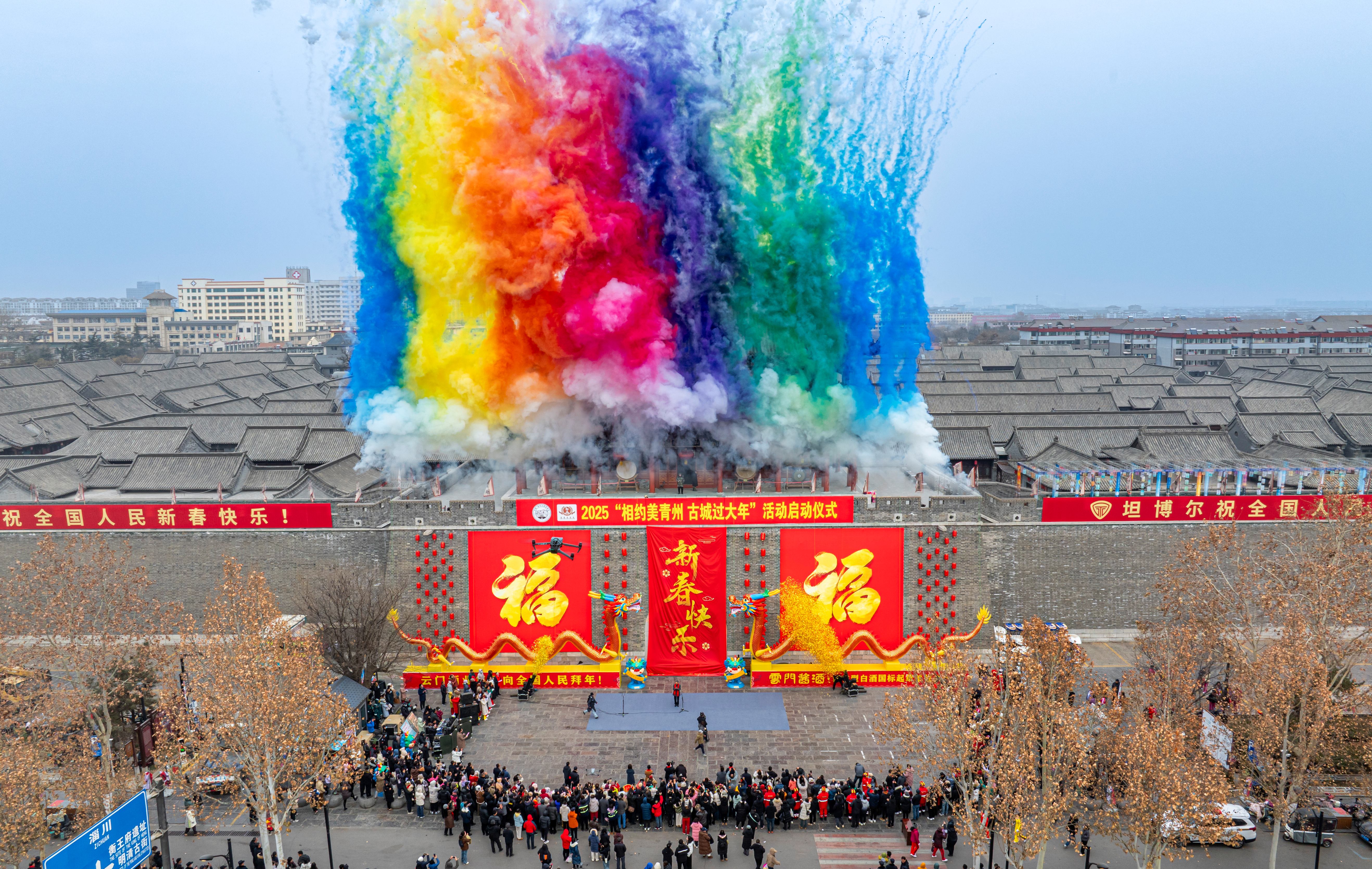
("Celebrating the Chinese New Year in the Ancient City", image: the scenic area)
Qingzhou Ancient City encompasses three major historic districts: the Beiguan Historical and Cultural District of Dongyang City, the Ouyuan Historical and Cultural District of Nanyang City, and the Dongguan Historical and Cultural District. The currently open area covers approximately 1.4 square kilometers, concentrated primarily in the ancient Nanyang City zone. Every tree and stone, every bridge and pond, every pavilion and terrace reflects profound cultural depth. Characterized by distinct regional features and Ming and Qing dynasty architectural styles, Qingzhou is a rare example of a well-preserved traditional Chinese city.
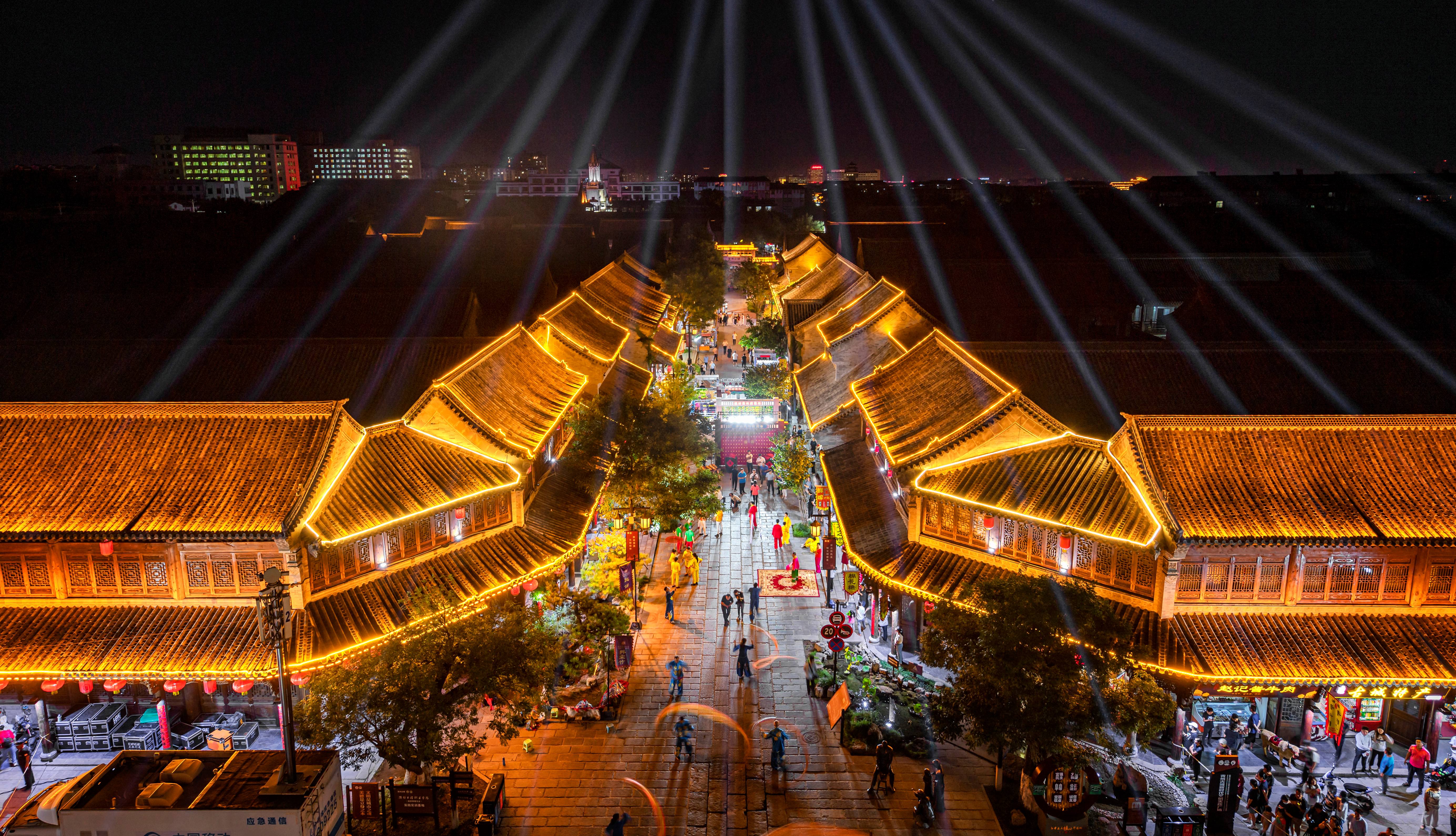
(Nanmen Street, image: the scenic area)
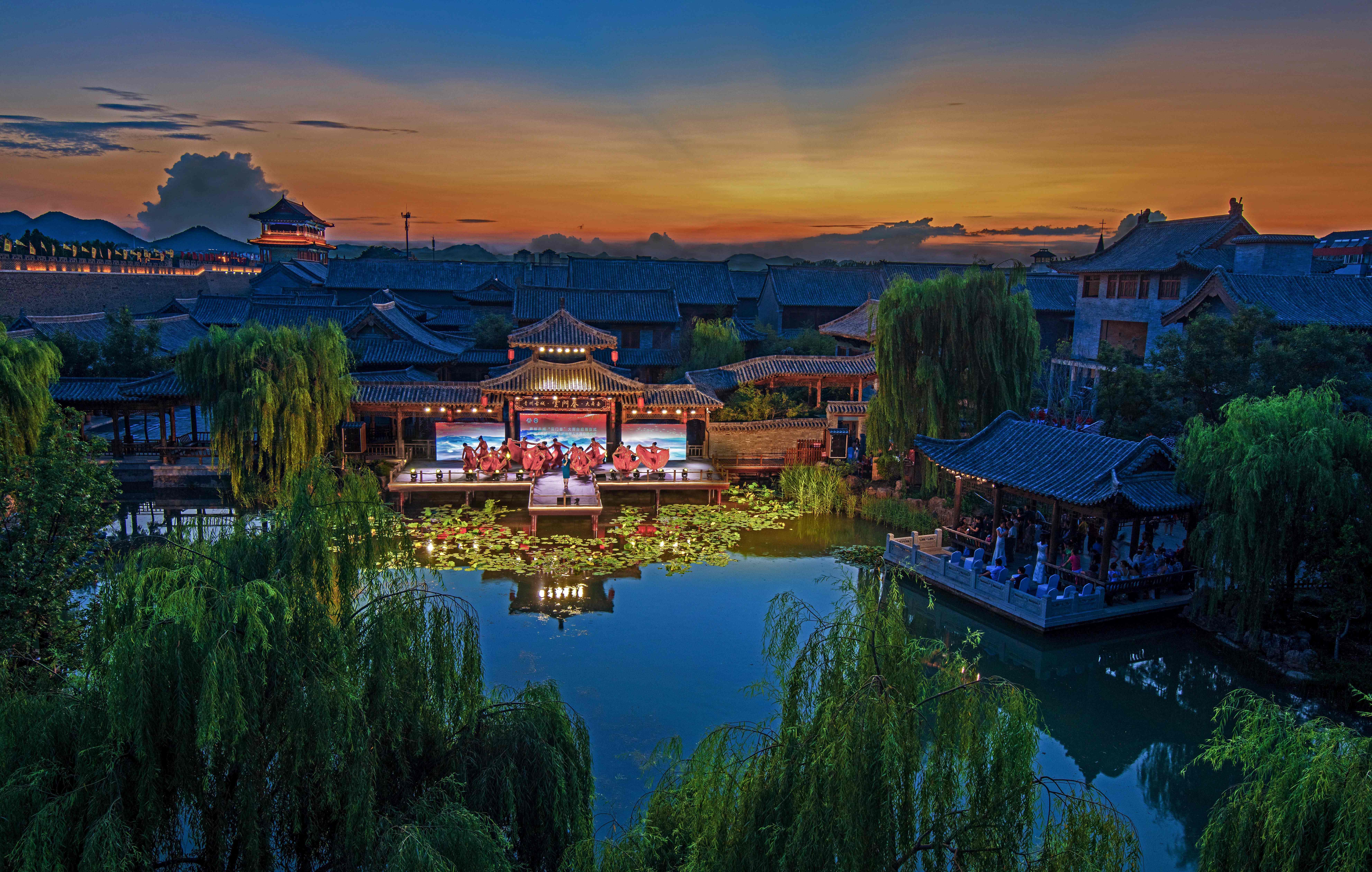
(Waterside Stage, image: the scenic area)
Within the area are more than 100 historic streets and lanes, including Beimen Street, Ouyuan Street, Dongmen Street, Beiying Street, Nanying Street, Canfu Street, and Donghuamen South Lane. Visitors can explore over a dozen notable attractions, such as the Qingzhou Prefecture Tribute Hall, Fucai Gate, Kuixing Tower, Ouyuan Garden, the Feng Family Memorial Hall, the Ancient City Memory Cultural Exhibition Hall, the Ouyang Xiu Memorial Hall, the Li Cheng Memorial Hall, the Qingzhou Folk Customs Museum, and the Fantasy Jurassic Experience Hall. In addition, the ancient city preserves a wealth of historic government buildings, traditional residences, classical gardens, and ornamental archways.