
 English


 Published: February 26, 2026
 Editor: Qingyu
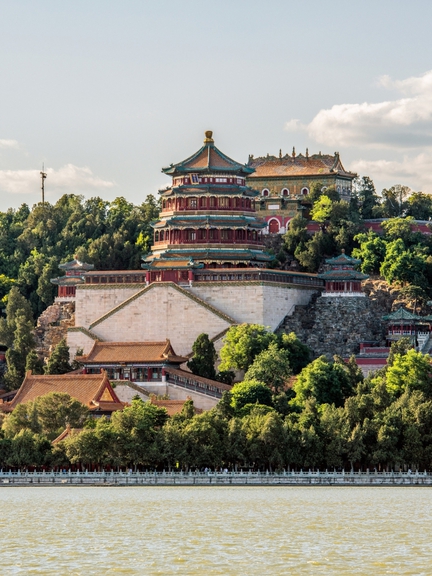
The Summer Palace is located in the northwest of Beijing. First built in 1750, it is a large imperial garden centered on Longevity Hill, Kunming Lake, and numerous palace structures, and is one of the "Three Hills and Five Gardens" of the Qing Dynasty. The complex covers a total area of approximately 300.8 hectares. It preserves about 7 hectares of various palaces and ancient garden architecture, houses more than 40,000 cultural relics, and is home to over 2,000 ancient and notable trees.
The Summer Palace is the most well-preserved imperial garden in China and an important component of Beijing's historic cityscape, as well as one of its iconic cultural landmarks.
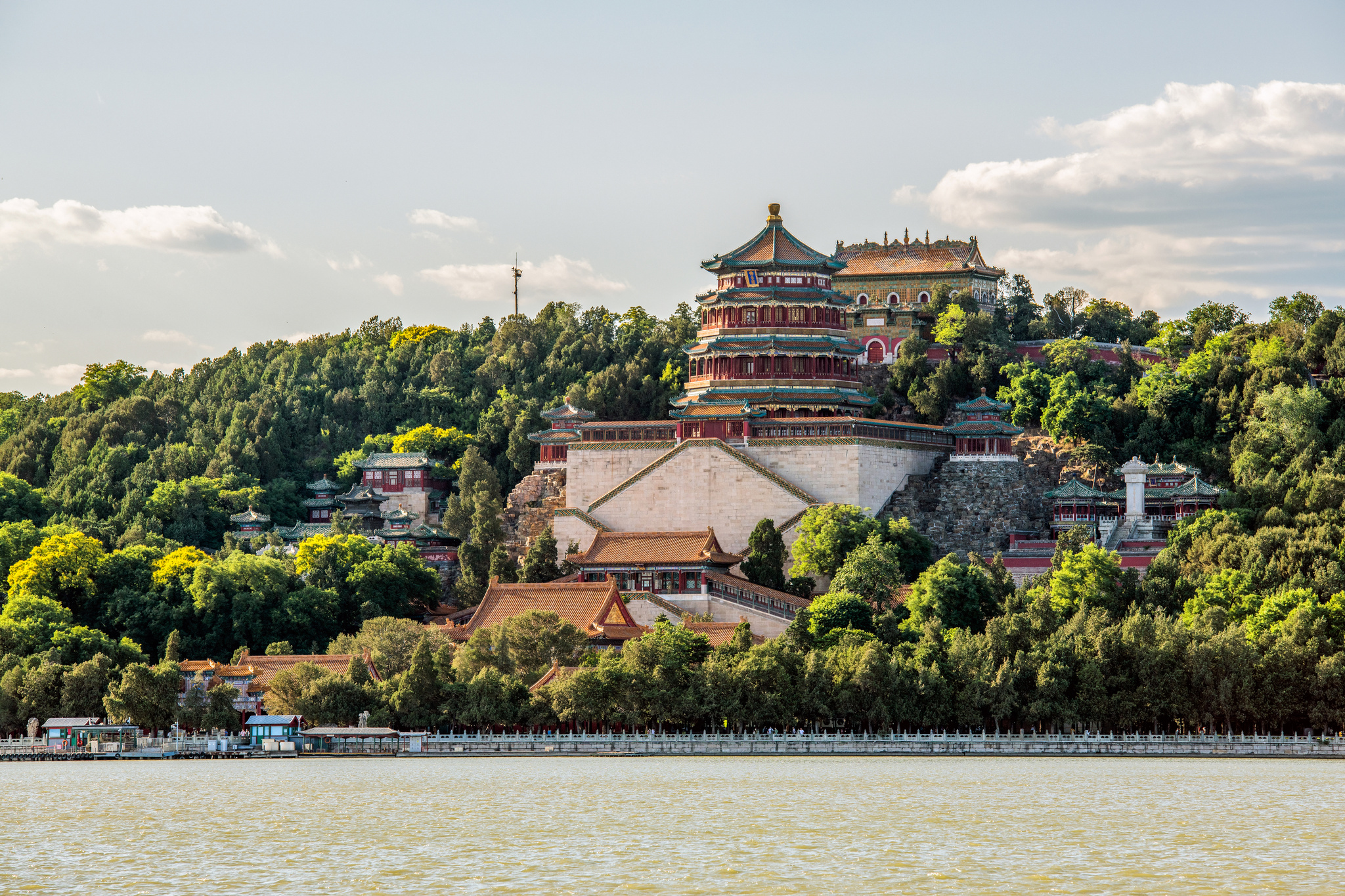
Image provided by China Tourism News Photo Library. Photo by YuTian
Selected Attractions
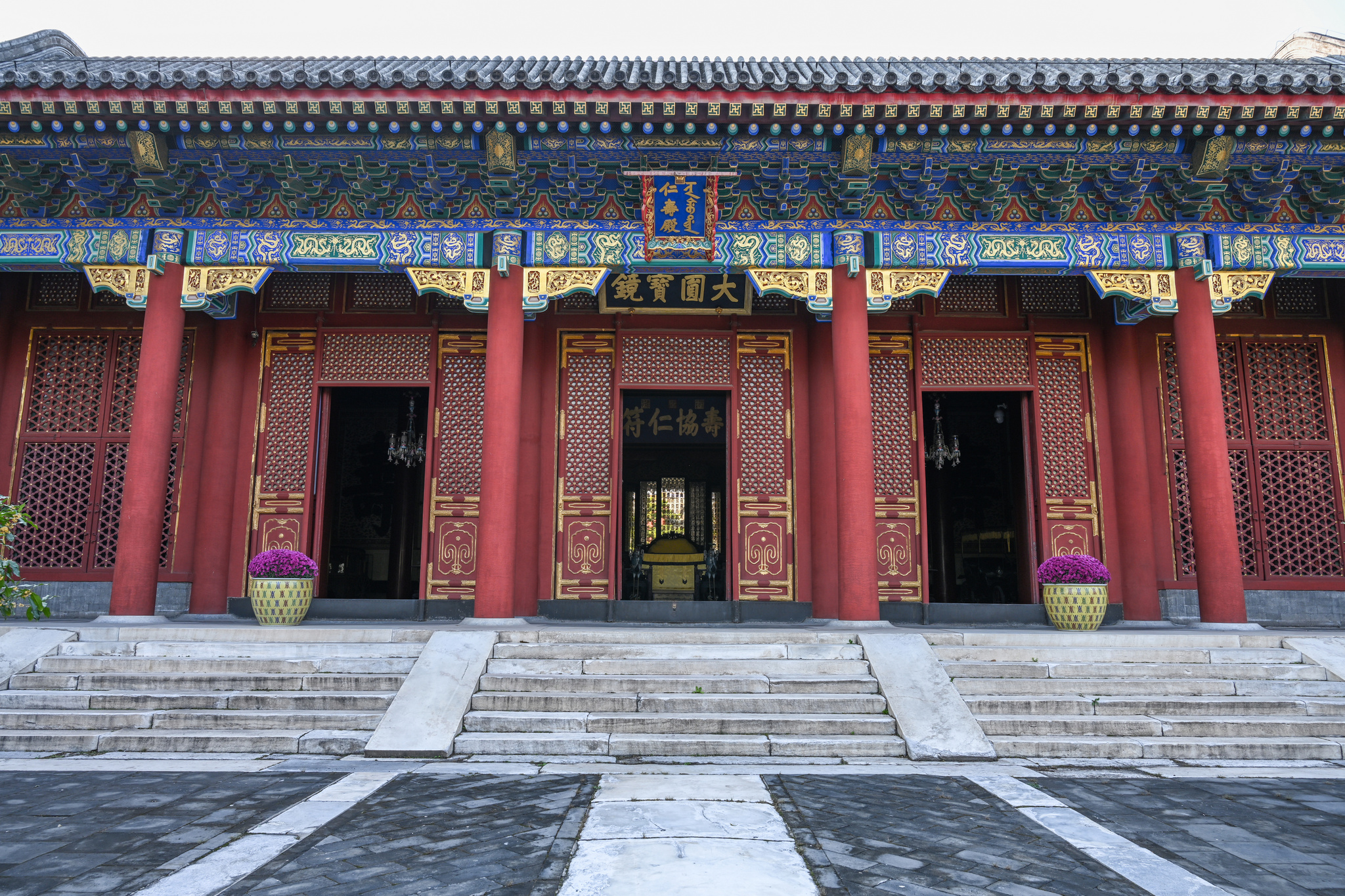
Image provided by China Tourism News Photo Library. Photo by Yu Tian
The Hall of Benevolence and Longevity
This was where Empress Dowager Cixi and the Emperor Guangxu handled state affairs, received congratulations, and met with foreign envoys during their residence in the garden. It is the principal building of the political area of the Summer Palace. In 1898, Emperor Guangxu summoned reformist leader Kang Youwei here, marking the beginning of the Reform Movement.
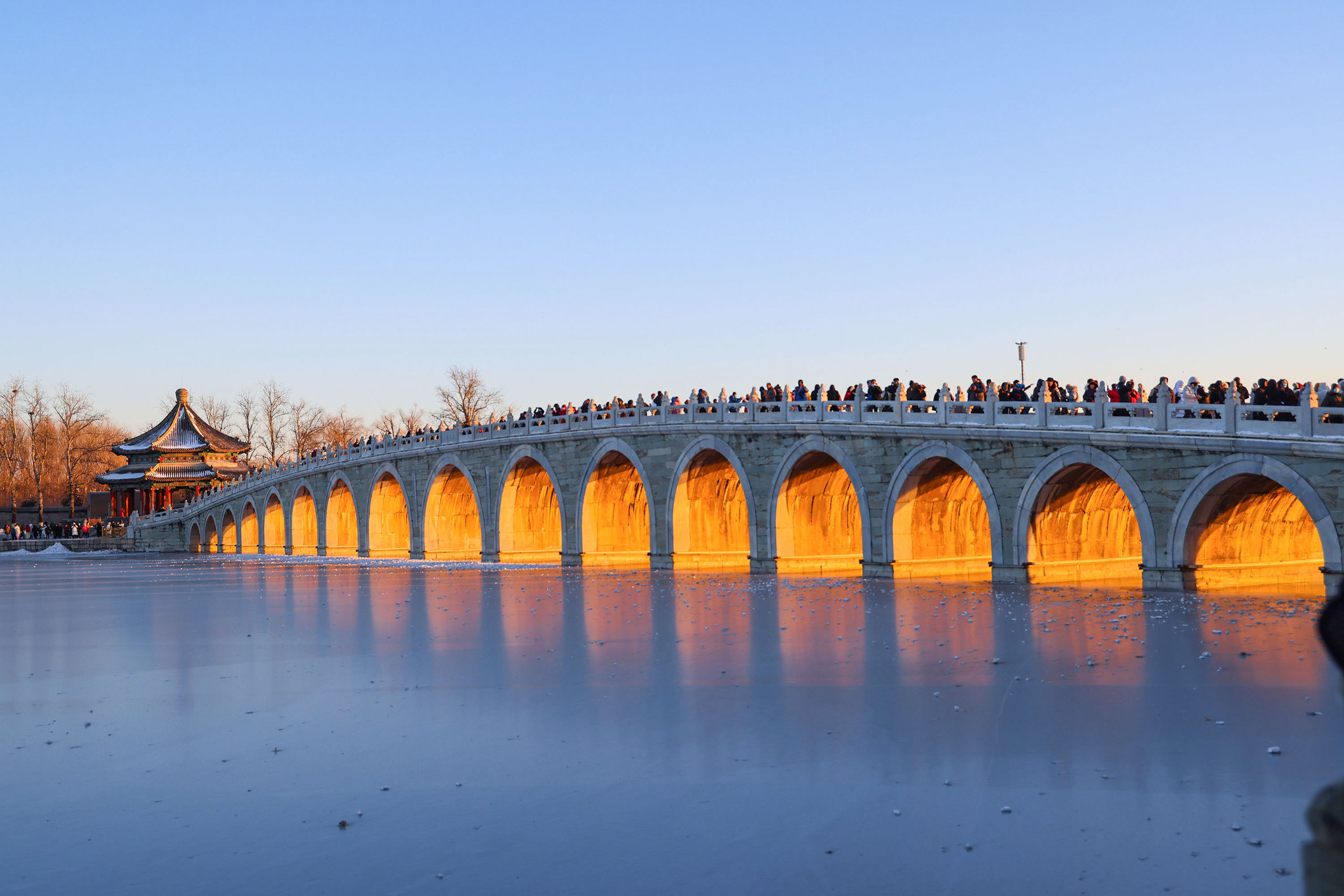
Image provided by China Tourism News Photo Library. Photo by Cao Xuewen
Seventeen-Arch Bridge
First built in the fifteenth year of the Qianlong reign of the Qing Dynasty (1750), the bridge connects the East Causeway to Nanhu Island. Stretching over 150 meters, it is the longest existing bridge in China's imperial gardens and is named for its 17 arches. More than 500 stone lions of varied forms are carved on the balustrade posts at both ends. Around the Winter Solstice each year, the setting sun shines through the arches, casting brilliant golden light, creating a spectacular scene.
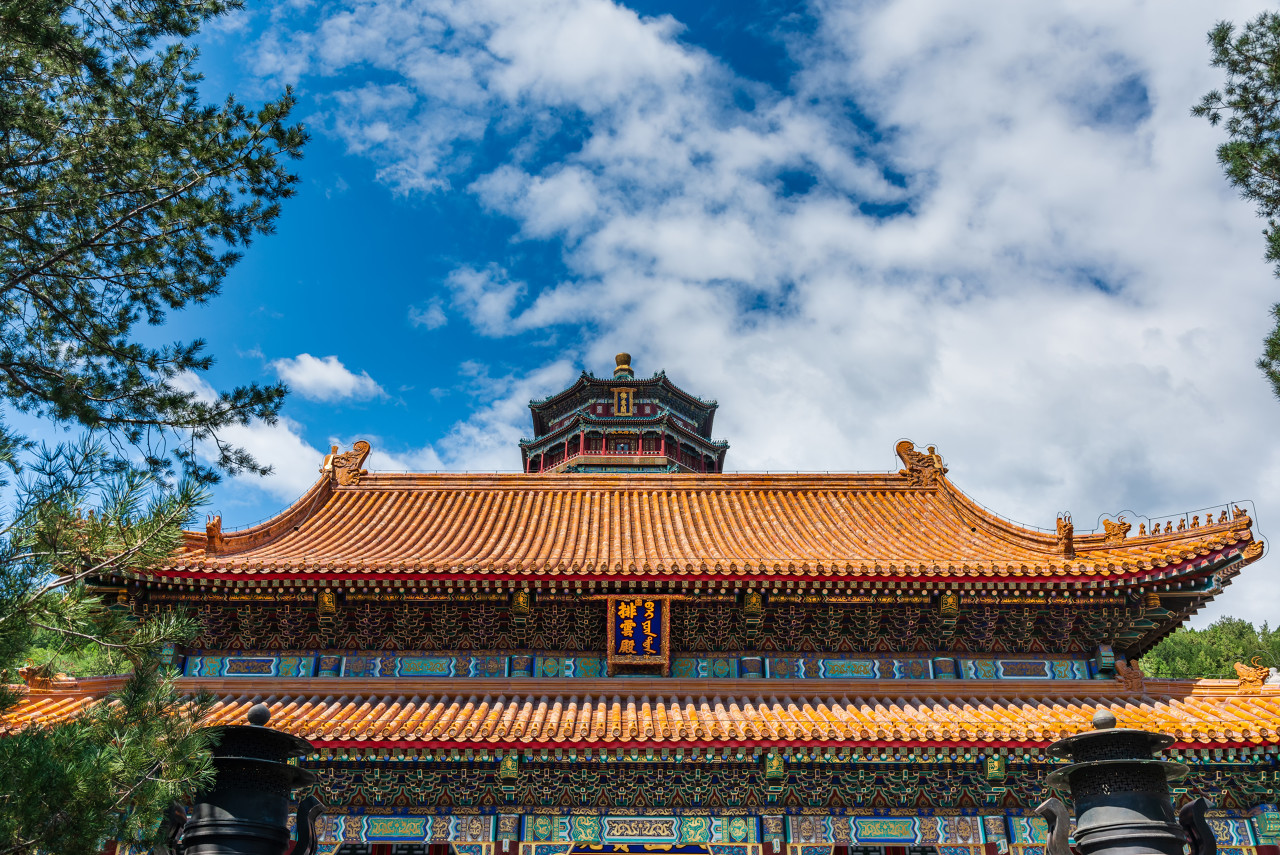
The Hall of Dispelling Clouds
Originally the Mahavira Hall of the Great Temple of Gratitude and Longevity in the Garden of Clear Ripples(Qingyi Yuan), it was burned down by the Anglo-French Allied Forces in the tenth year of the Xianfeng reign (1860). In the twelfth year of the Guangxu reign (1886), the Hall of Dispelling Clouds was built on its ruins as a venue to celebrate Empress Dowager Cixi's birthday. The exhibits currently displayed inside are birthday gifts once presented by princes and ministers.
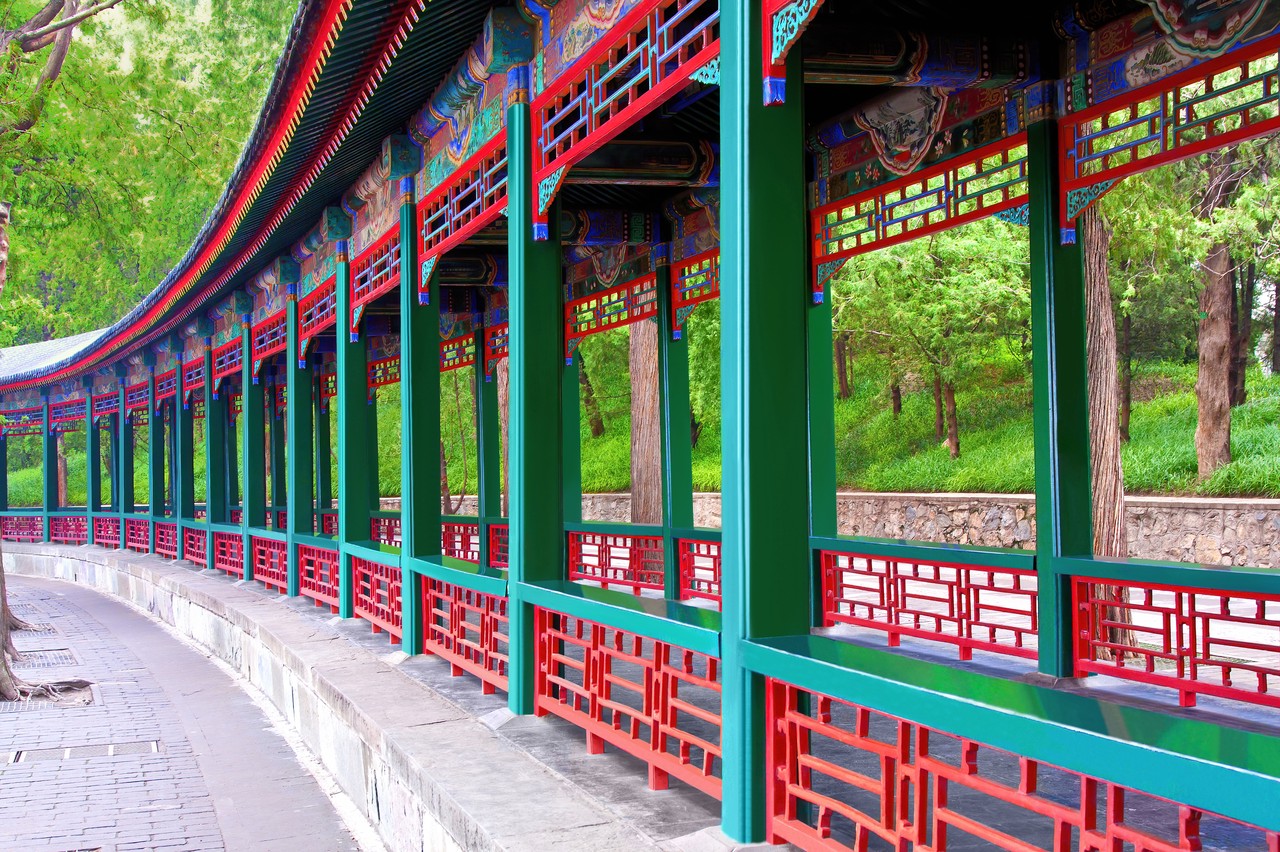
The Long Corridor
Beginning at Yaoyue Gate in the east and ending at Shizhang Pavilion in the west, the corridor comprises 273 bays and stretches 728 meters, making it the longest corridor in classical Chinese gardens. Its beams and rafters are adorned with more than 14,000 painted scenes of figures, landscapes, flowers, and birds.