
 English


 Published: November 27, 2025
 Editor: Xiaoyu
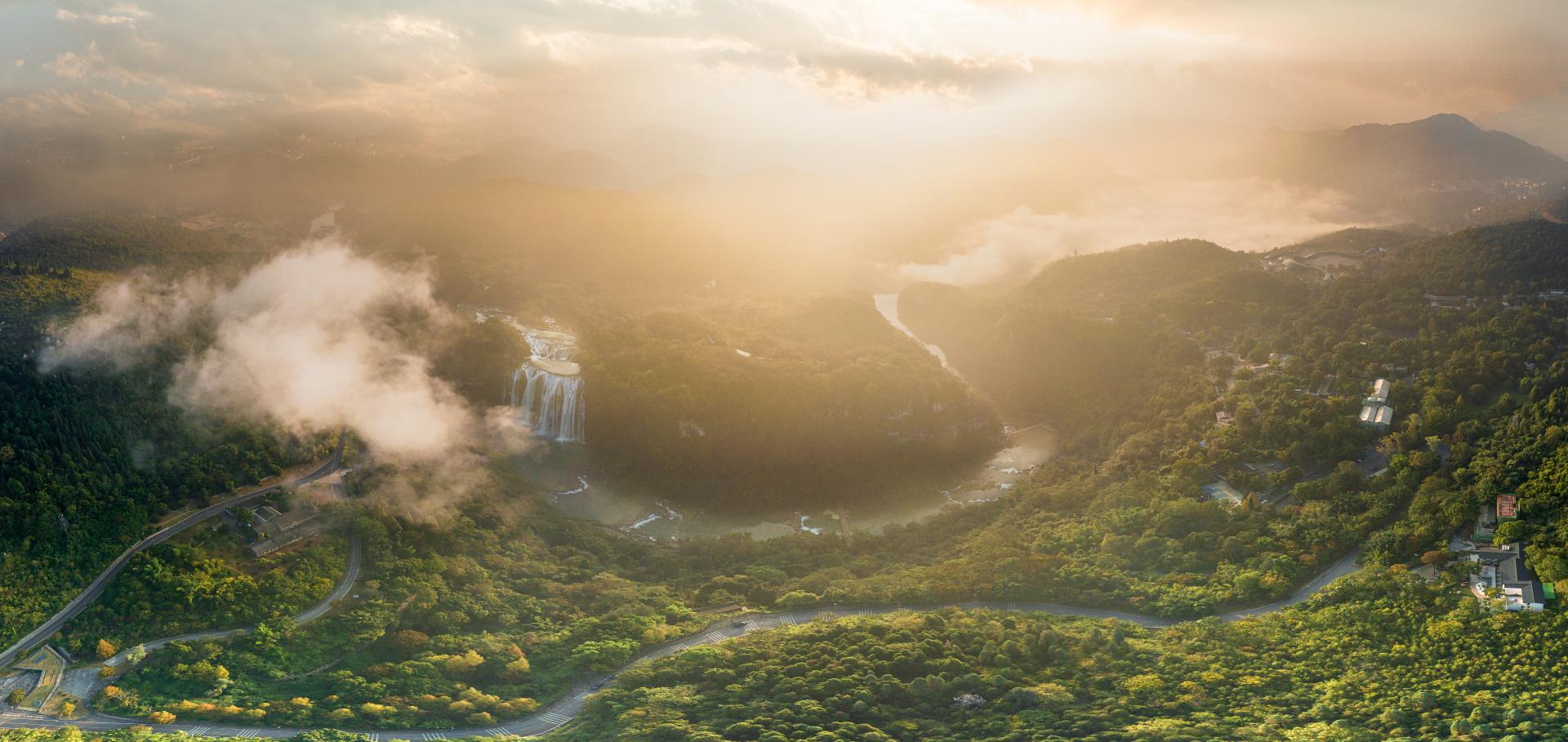
The Huangguoshu National Park is in southwestern Guizhou, at an average altitude of 900 meters and covering 163 square kilometers. Centered on the magnificent Huangguoshu Waterfall, the park contains 18 waterfalls of varying size and character—each majestic, distinctive, dramatic, or delicate—together forming an extensive waterfall group. This cluster has been recognized by Guinness World Records as the world's largest group of waterfalls and is officially listed in the Guinness World Records.
Core scenic areas
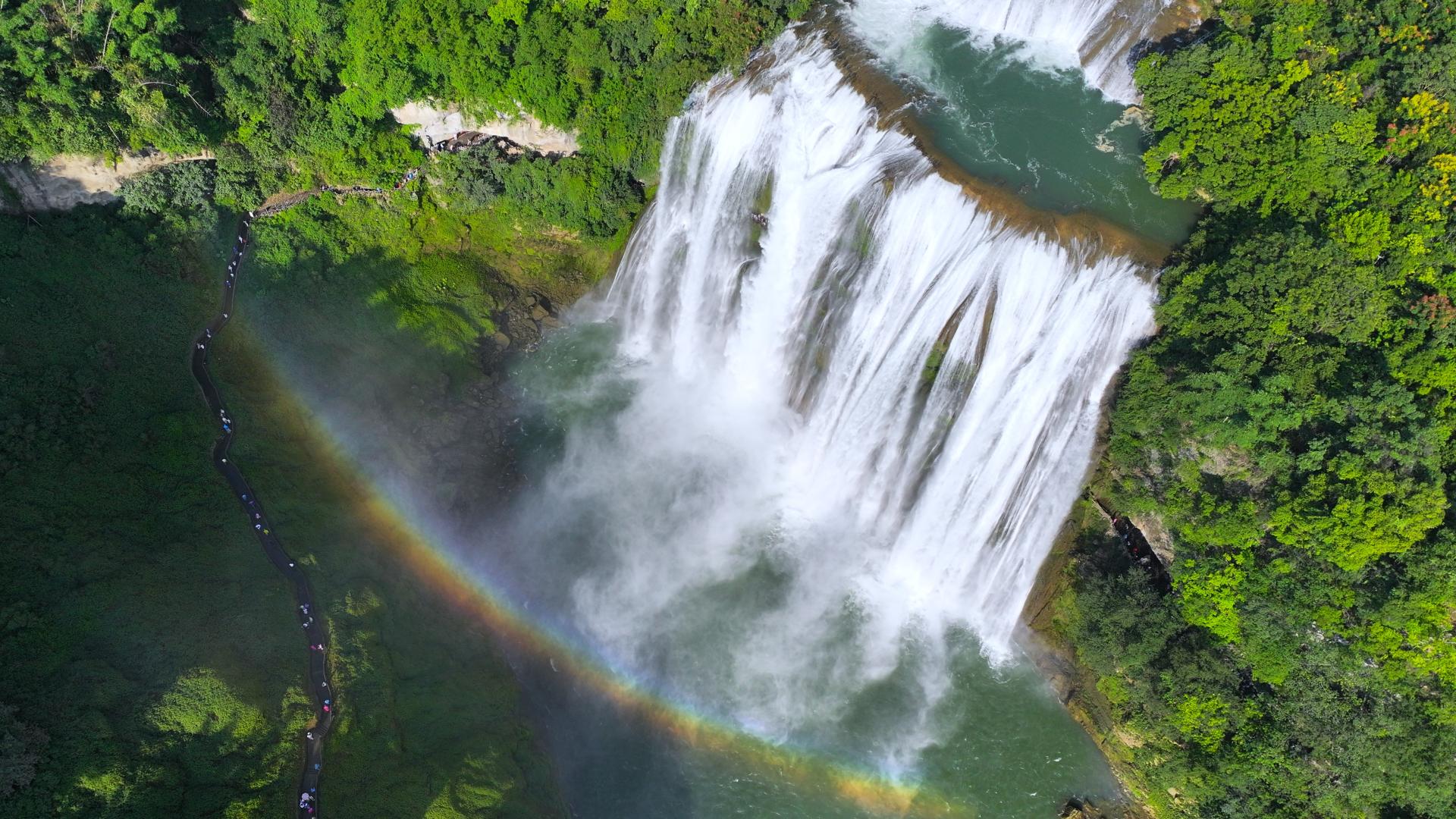
The Huangguoshu Waterfall stands 77.8 meters high and 101 meters wide. Torrents of water plunge over 70 meters from the cliff into the Xiniu(Rhino) Pool, creating a thunderous roar that reverberates through the valley and showcasing a spectacular natural force. Visitors can walk through the Water-Curtain Cave to feel the rush of water from behind the fall or gaze up at the cascade from the edge of the Xiniu Pool. When mist fills the air, rainbows often arc across the scene, composing a breathtaking natural panorama.
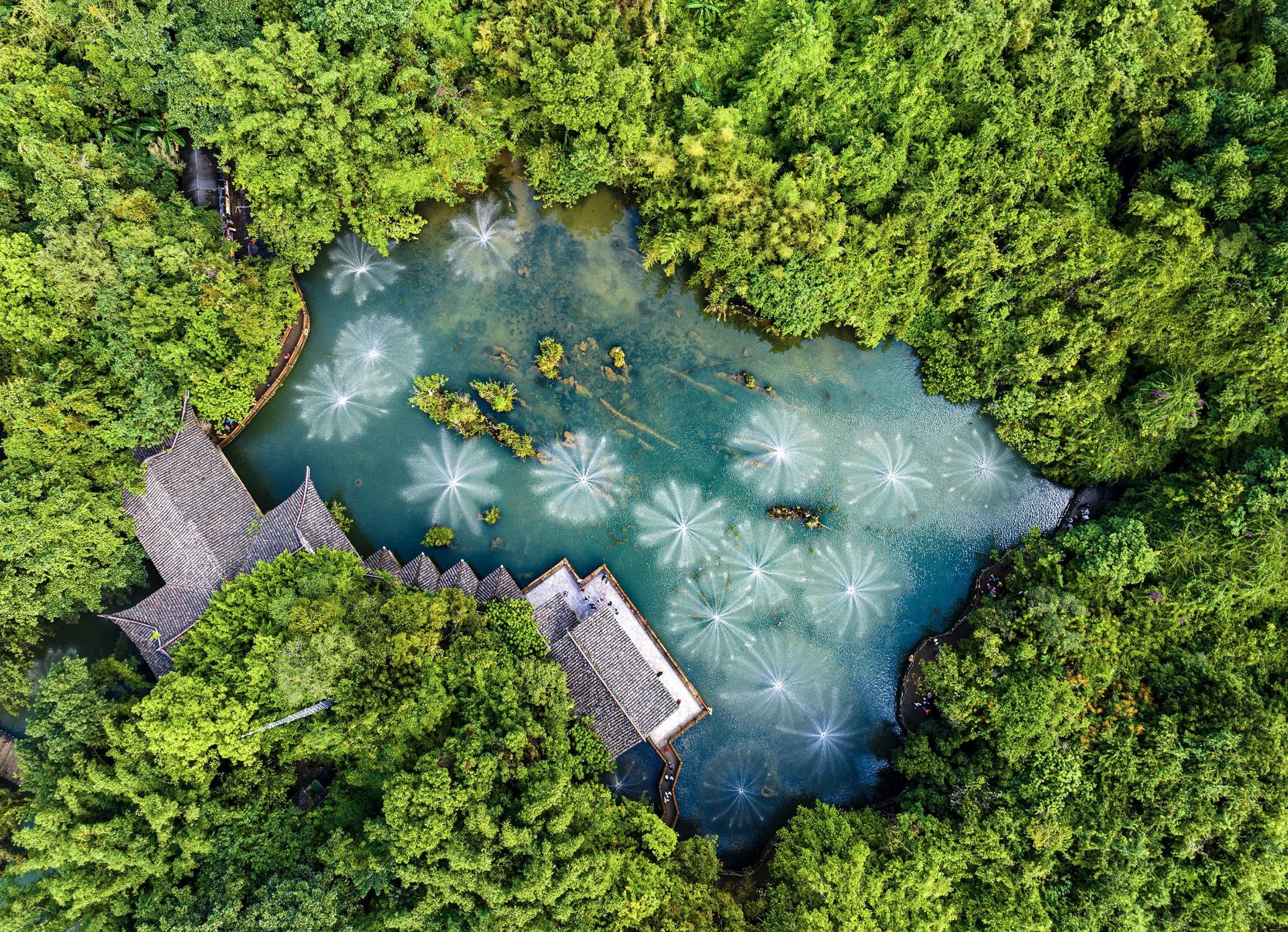
Approximately six kilometers from the main waterfall lies the Tianxingqiao Scenic Area, which epitomizes karst landscape. Strolling through the Tianxing Basin feels like wandering in a natural landscape garden. Exploring Tianxing Cave reveals stunning stalactites and stalagmites in myriad forms, while the 400-meter-wide riverbed of the Watery Stone Forest features stone peaks sculpted by flowing water into diverse, captivating shapes. A must-see is the Silver Chain Waterfall, which, though only about ten meters high, draws many visitors with its funnel-shaped cascade and the melancholic, whispering sound of its waters.
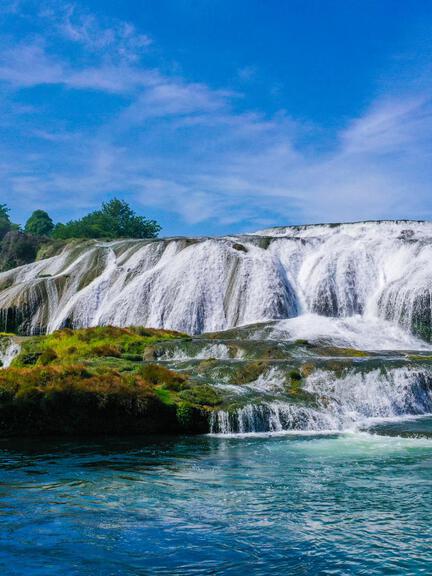
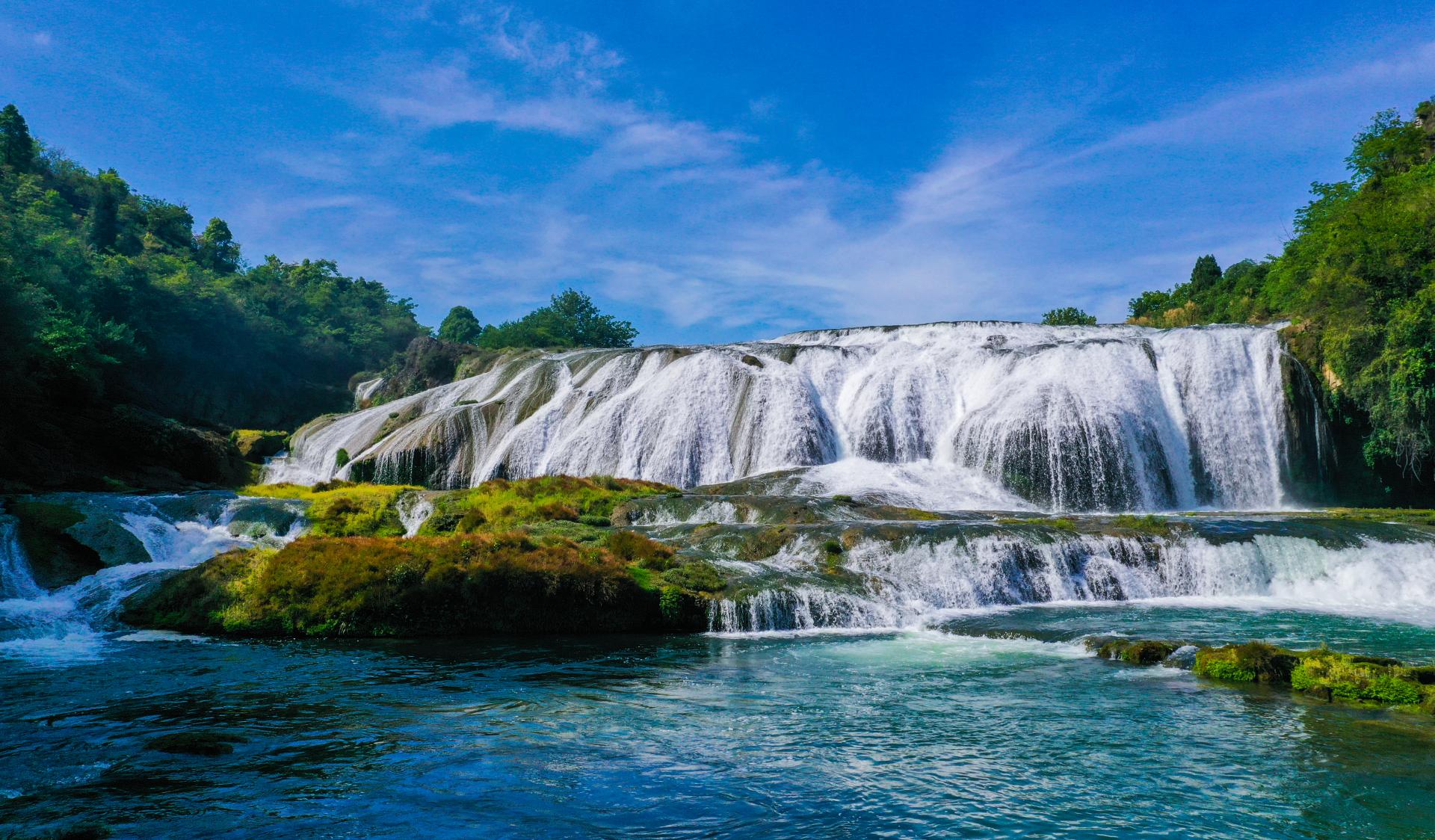
Doupotang is the widest waterfall in the Huangguoshu cluster, with a crest spanning 105 meters. It is also the filming location for the concluding scenes of the 1986 adaptation of Journey to the West, where the classic shot of Tang Sanzang and his disciples leading their horse across the water was filmed.
Recommended tour route
Tianxingqiao → Huangguoshu Waterfall → Doupotang