
 English


 Published: November 30, 2025
 Editor: Qingyu
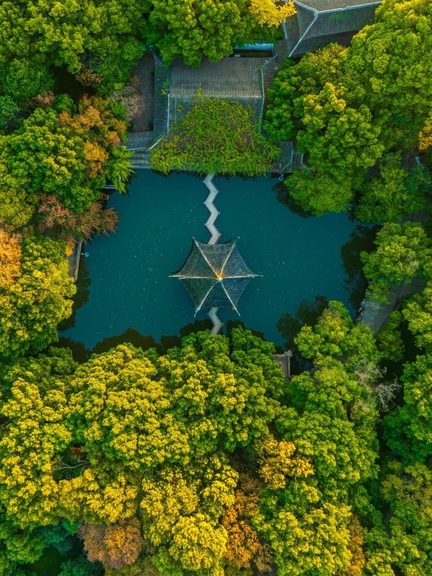
The classical gardens of Suzhou date back to the 6th century BCE. Inspired by these royal hunting gardens built by the King of the State of Wu, private gardens began emerging around the 4th century and finally reached the climax in the 18th century. Today, more than 50 of these gardens are still in existence, nine of which were inscribed on the UNESCO World Heritage List.
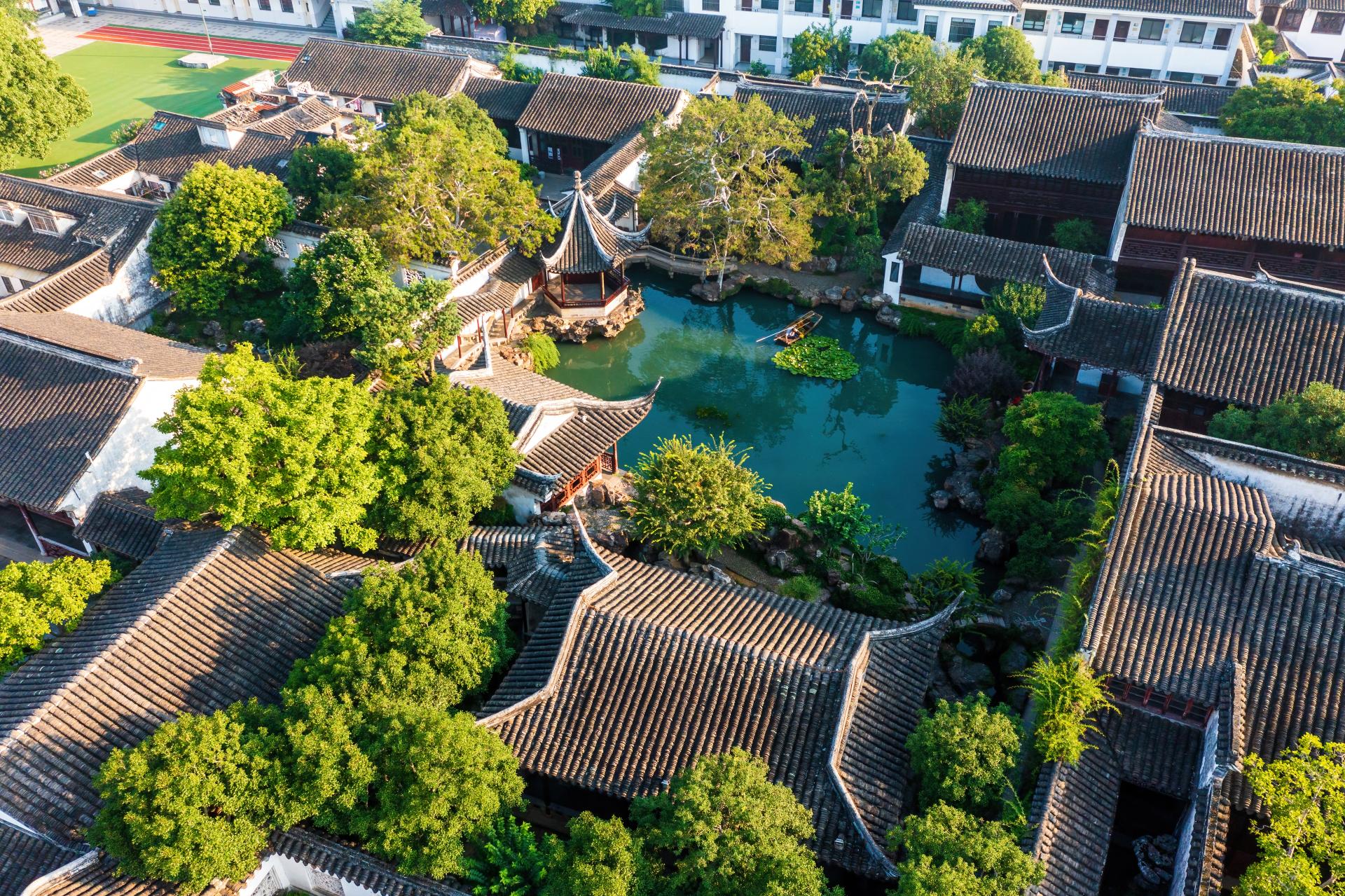
Operating within constrained spaces, generations of architects of these gardens skillfully simulated nature by adapting to local conditions. Their masterful techniques yielded rich and diverse spatial layouts that convey immensity within a small scale, showcasing the exceptional artistry and profound ingenuity of ancient Chinese landscape designers.
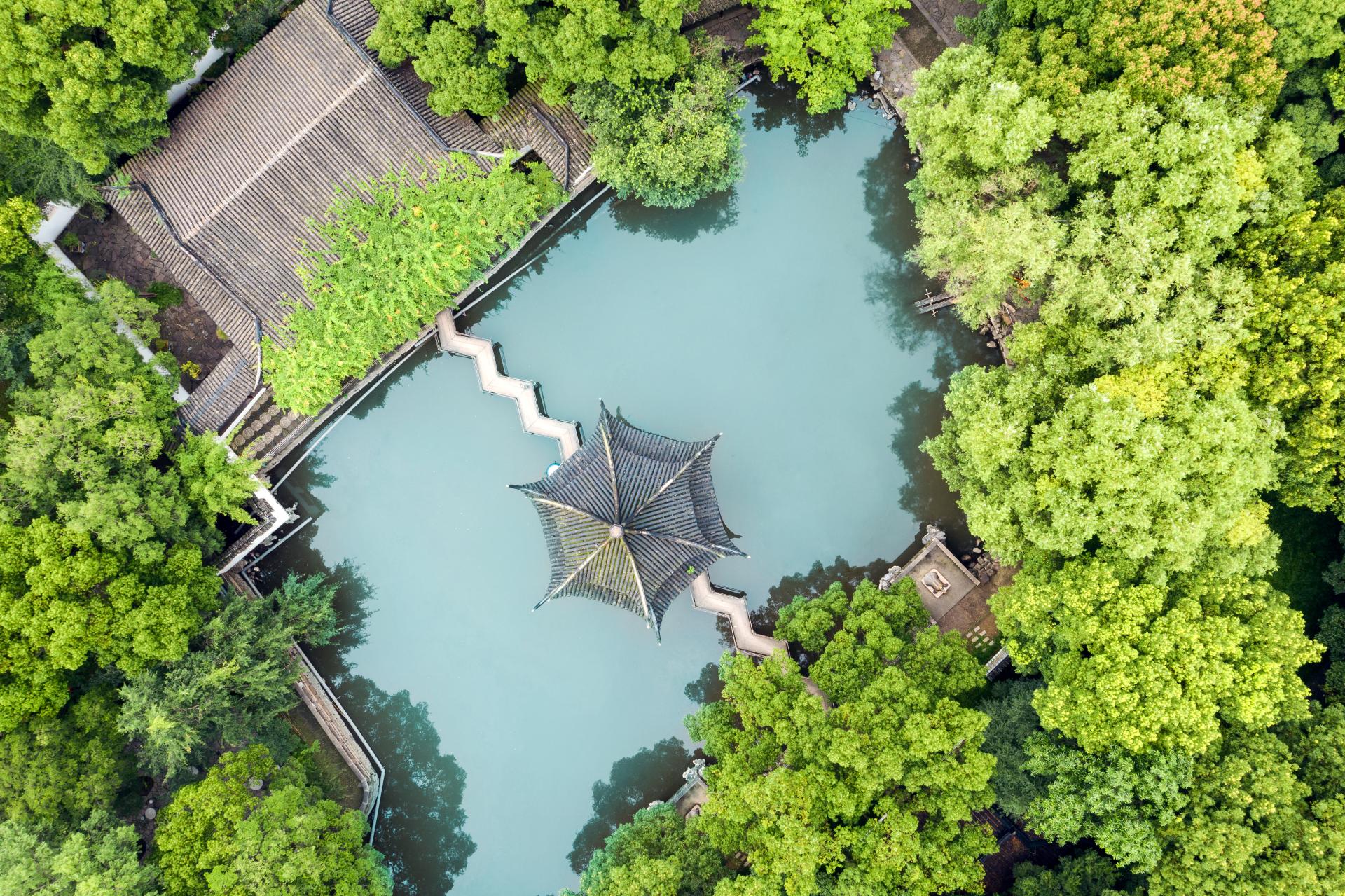
Main Scenic Spots
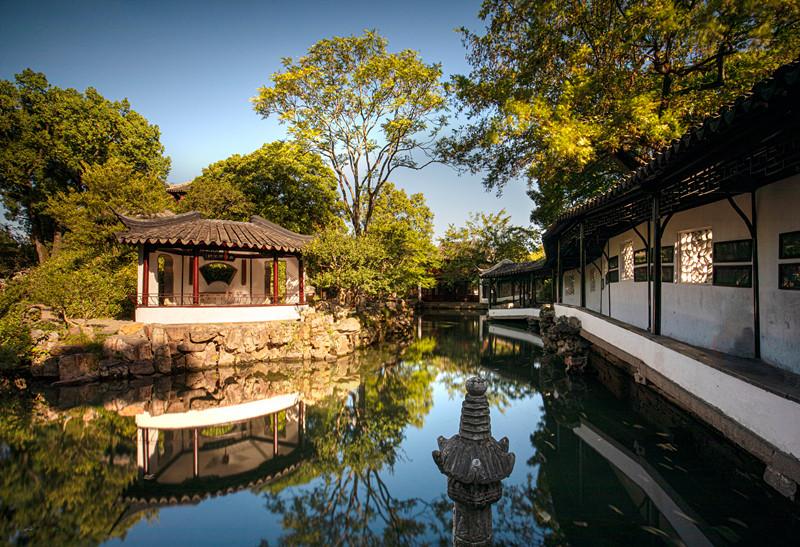
With a history of over 500 years, the Humble Administrator's Garden is Suzhou's most expansive surviving classical garden and represents a prime example of Jiangnan (the region south of the lower Yangtze River) classical gardens. The design centers on water features, complemented by surrounding hills, exquisite halls and pavilions, and lush vegetation, all combining to create a highly scenic, poetic realm typical of the Jiangnan water towns. The premises also host Suzhou Garden Museum, situated on the south side, which holds the unique distinction of being China's only museum focused solely on gardens.
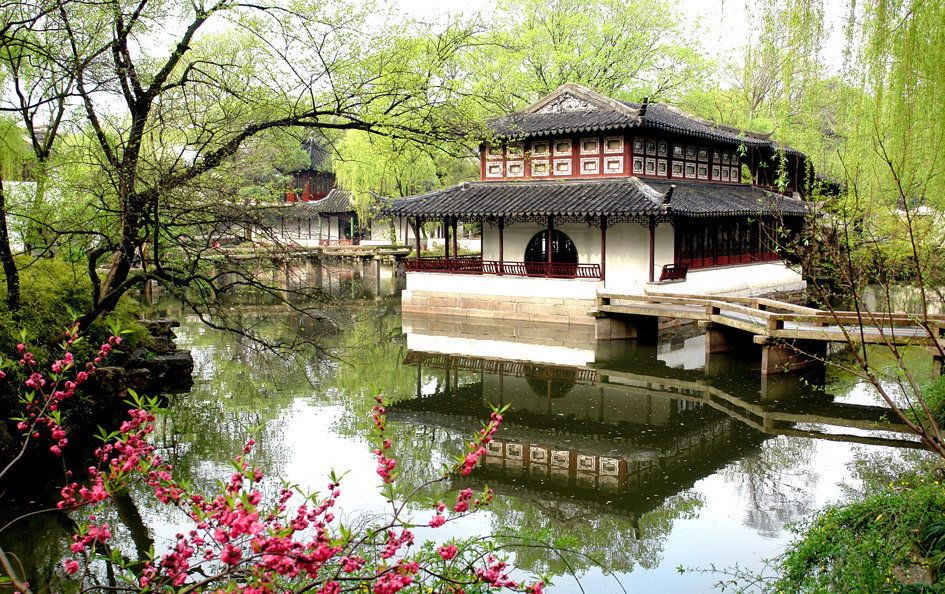
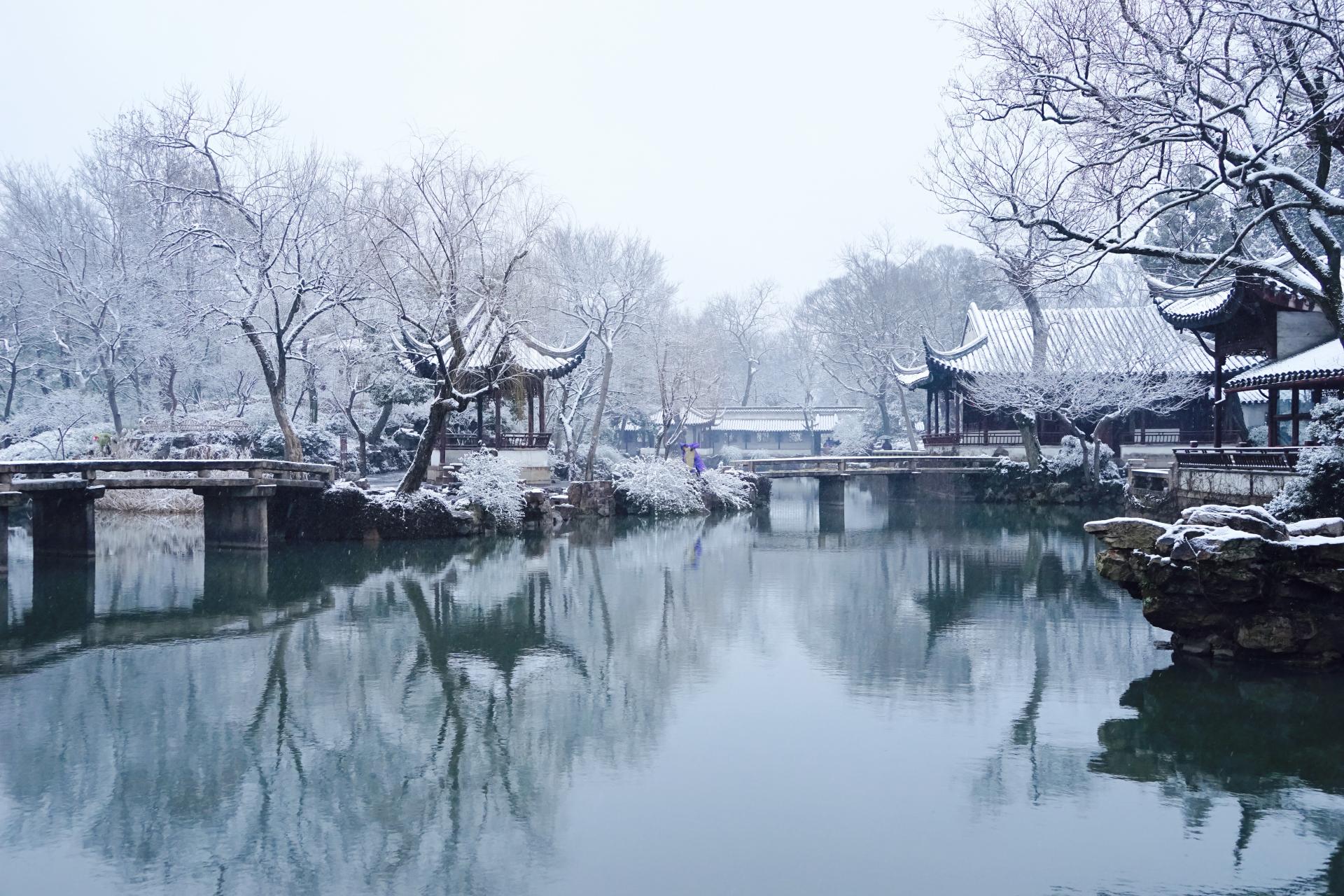
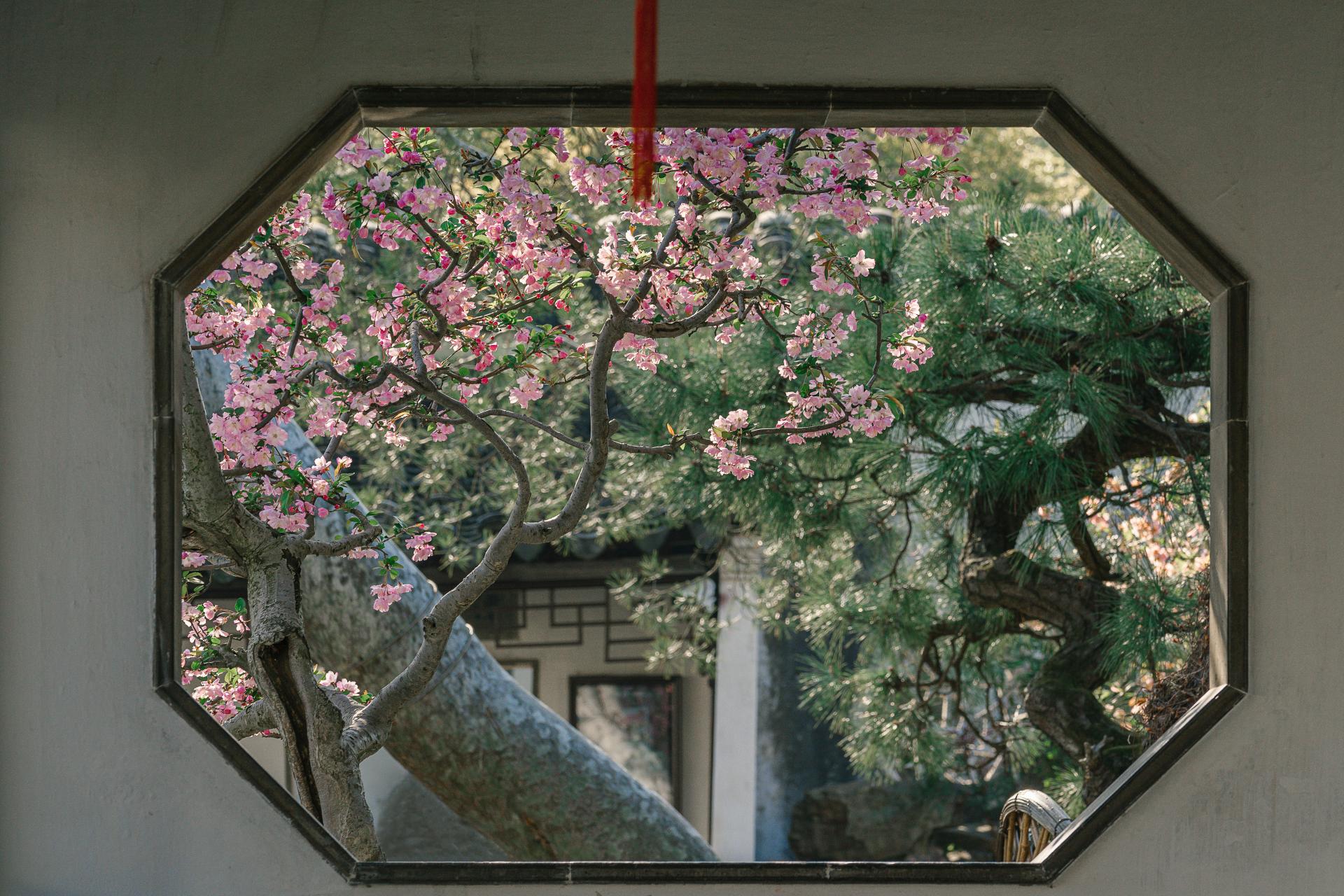
The Master-of-Nets Garden is a typical private residence-garden in Suzhou and stands as a representative work among the small- to-medium-sized classical gardens in the Jiangnan region. The garden is comprised of three main components: the eastern section, which serves as the residential quarters (the official residence); the central section, which is the landscape area (the main garden); and the western section, which is the inner garden (a garden-within-a-garden). This structural organization provides the garden with an outwardly neat and balanced appearance, yet its interior is strategically sectioned to offer distinct and varied scenic experiences.
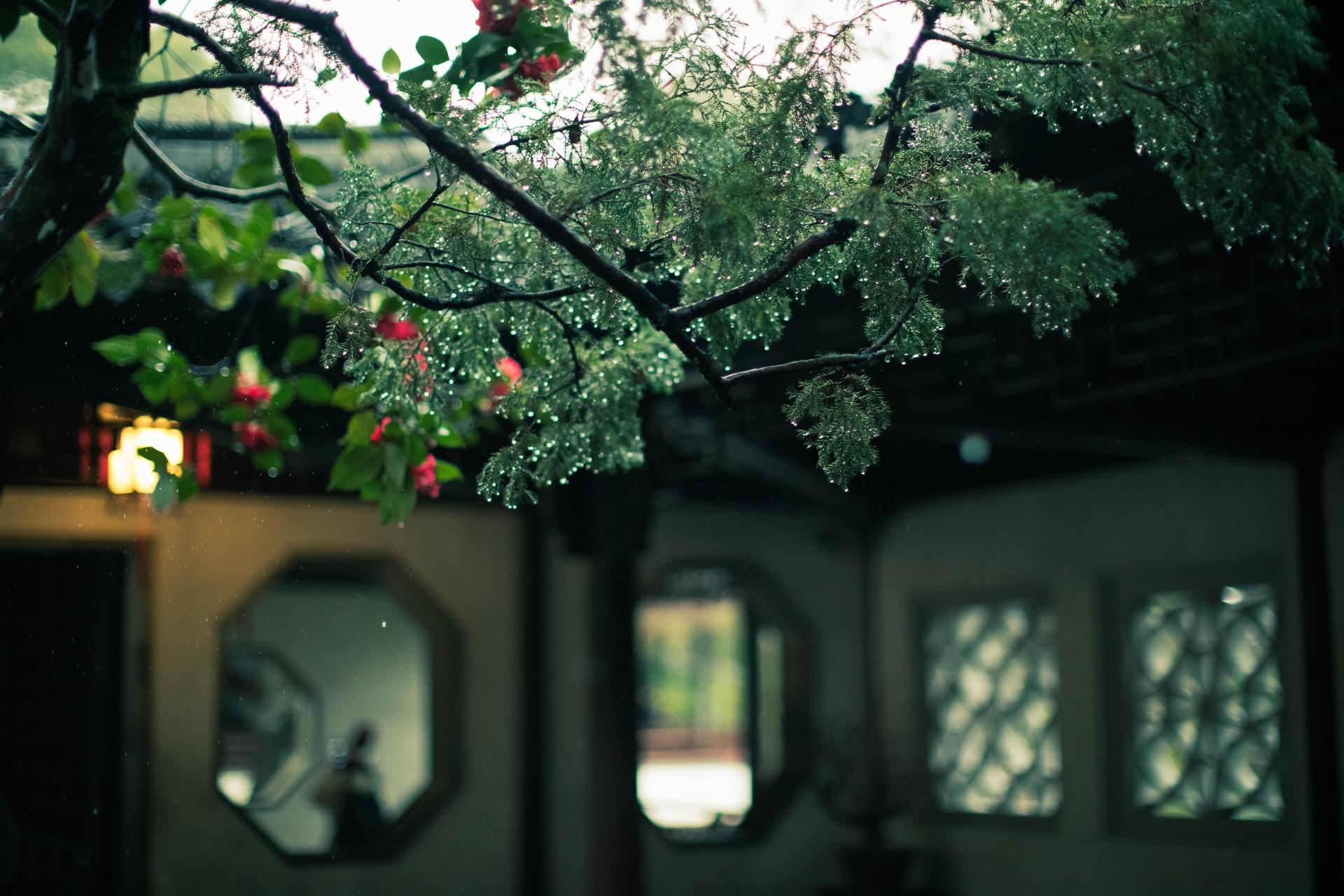
The Lingering Garden is one of China's major classical private gardens, distinguished as a prime example of Qing Dynasty style. It is celebrated for its exquisite architectural artistry; the halls are grand and opulent, the courtyards are rich in variation, and its collection of Taihu stones is unparalleled, with Auspicious Cloud Capped Peak being the most renowned.
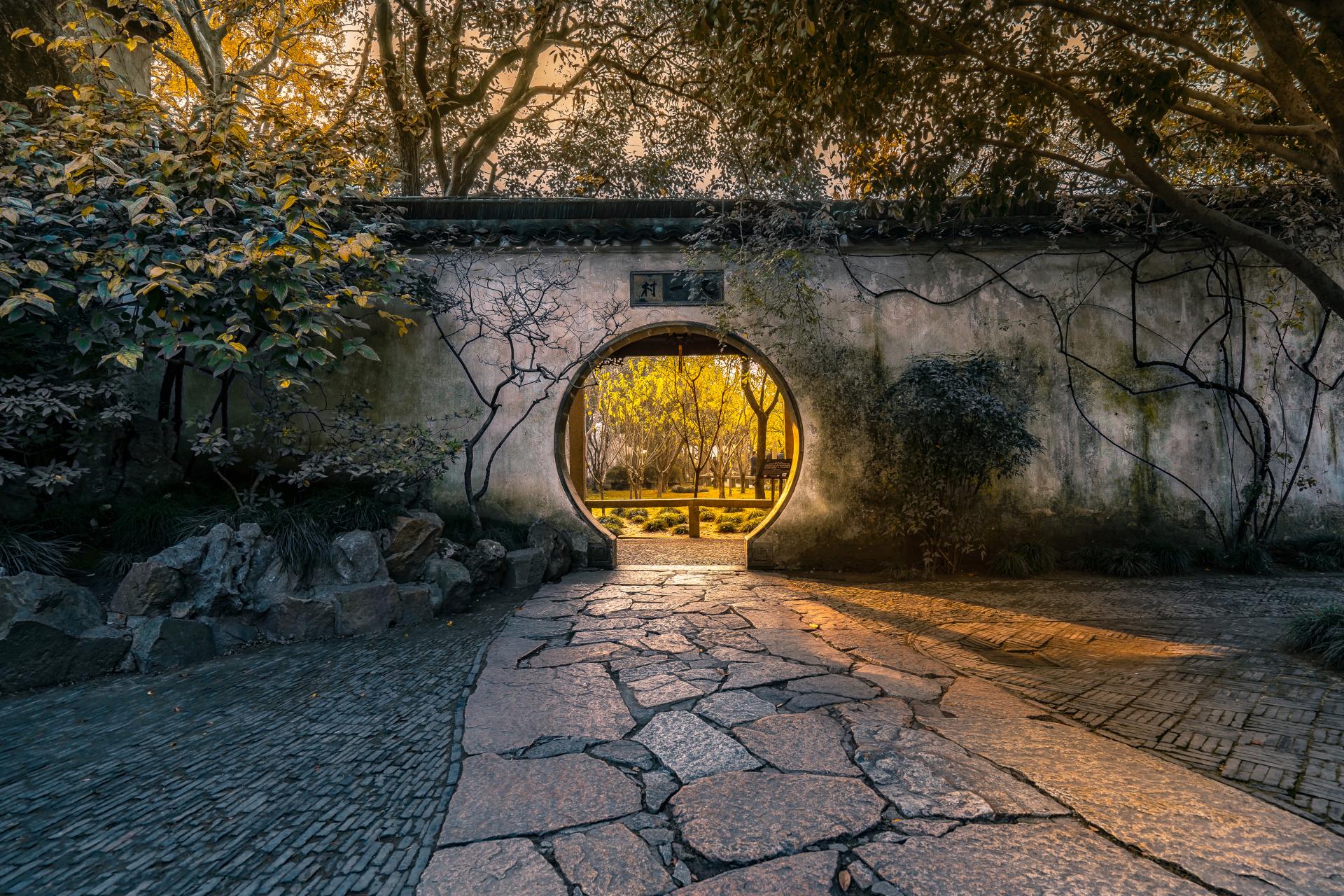
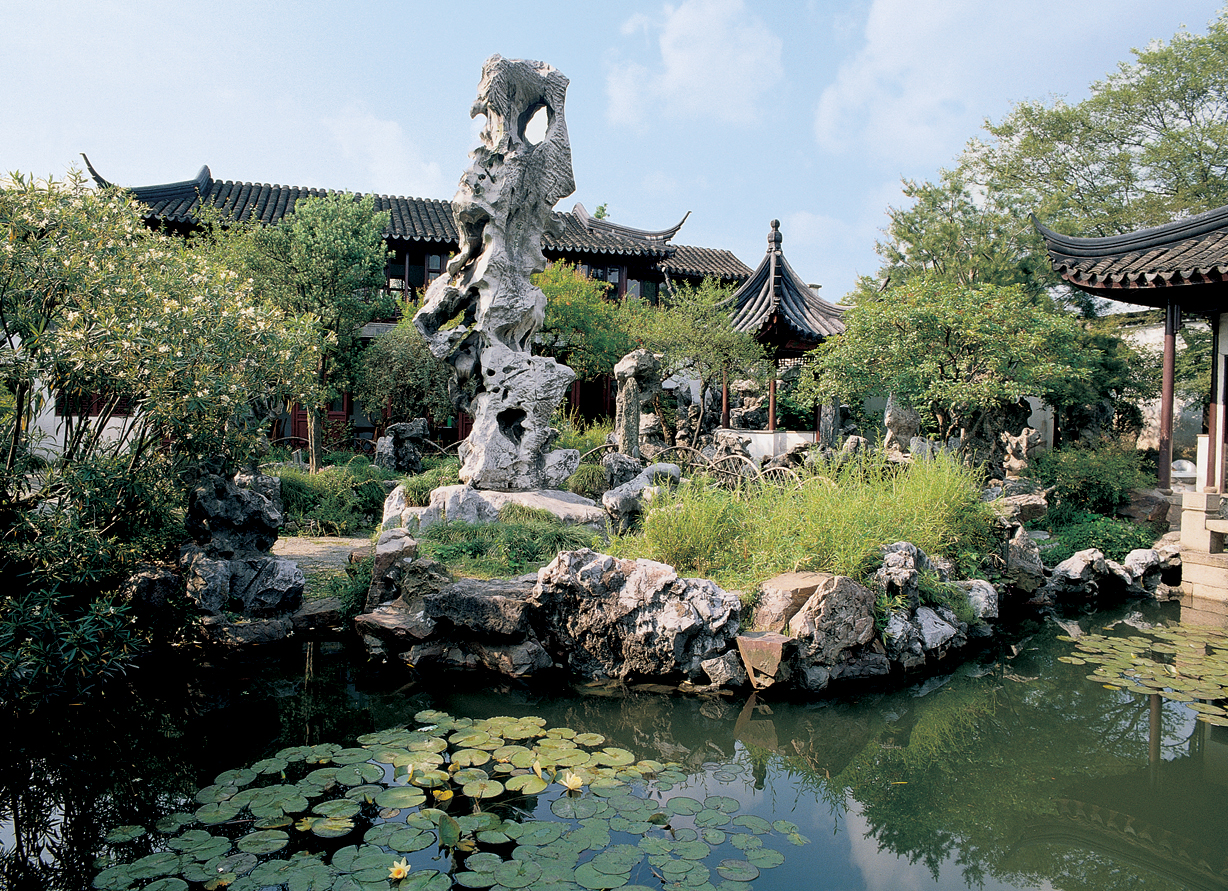
The Canglang Pavilion is the oldest surviving garden in Suzhou. Within its grounds is the Hall of Five Hundred Worthies, where the walls are inlaid with 594 precious stone carvings of historical figures—spanning over 2,000 years from the Zhou to the Qing dynasties—who were associated with Suzhou's history. The site is also famed for its 108 styles of flowered lattice windows, each featuring unique patterns and lively forms, adding greatly to the garden's charm.
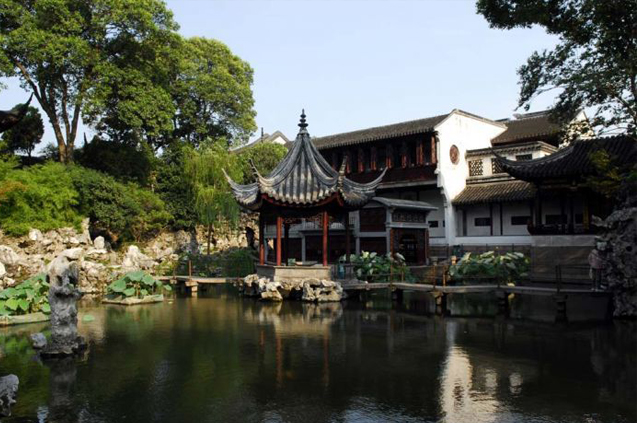
With a history stretching back more than six centuries, the Lion Forest represents the quintessential garden style of the Yuan Dynasty. Visitors encounter an extensive network of artificial hills, encircling long corridors, structures that appear and disappear among the foliage, and meandering paths that penetrate deep into the landscape, giving the impression of a complex labyrinth.
Opening Hours and Ticket Information
|
Attraction |
Opening Hours |
Admission Fee (RMB) |
|
Humble Administrator's Garden |
7:30 AM–5:30 PM (March 1–November 15) 7:30 AM–5:00 PM (November 16–end of February of the following year) |
Off-Peak Season: 70 (January–March, June, November, December) Peak Season: 80 (April, May, July–October) |
|
Master-of-Nets Garden |
7:30 AM–5:30 PM (April 21–October 20) 7:30 AM–5:00 PM (October 21–April 20 of the following year) |
Off-Peak Season: 30 (January–March, June, November–December) Peak Season: 40 (April–May, July–October) |
|
Lingering Garden |
7:30 AM–5:30 PM (March 1–November 15) 7:30 AM–5:00 PM (November 16–end of February of the following year) |
Off-Peak Season: 45 (January–March, June, November, December) Peak Season: 55 (April–May, July–October) |
|
Canglang Pavilion |
7:30 AM–5:00 PM (October 21–April 20 of the following year) 7:30 AM–5:30 PM (April 21–October 20) | |
|
Lion Forest |
7:30 AM–5:30 PM (March 1–October 15) 7:30 AM–5:00 PM (October 16–end of February of the following year) |
Off-Peak Season: 30 (January–March, June, November–December) Peak Season: 40 (April–May, July–October) |
|
Mountain Villa with Embracing Beauty |
8:30 AM–4:30 PM |
15 |
|
Garden of Cultivation |
7:30 AM–4:30 PM (Mid-October–March 31) 7:30 AM–5:00 PM (April 1–Mid-October) |
10 |
|
Retreat & Reflection Garden |
7:30 AM–5:15 PM. Night garden tours are available from March to the end of October. Please check the official announcement for details. | |
|
Couple's Garden Retreat |
7:30 AM–7:00 PM |
Off-Peak Season: 20 (January–March, June, November–December) Peak Season: 25 (April–May, July–October) |