
 English


 Published: November 28, 2025
 Editor: Cao Xuewen
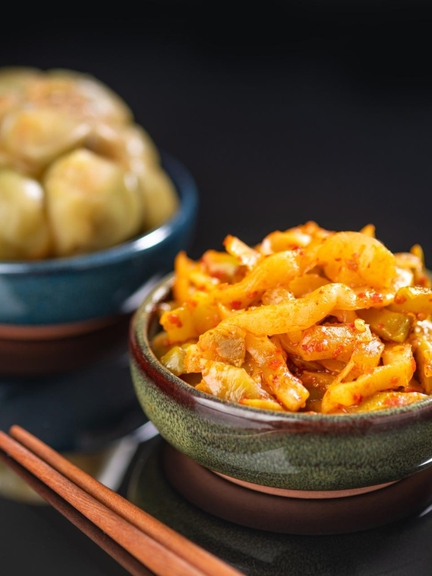
Fuling Zhacai of Chongqing, European pickled cucumbers and German sauerkraut are renowned as the "Three Great Pickles of the World". With its glossy color, tender yet crisp texture, and fresh, aromatic flavor with a hint of spice, it can be enjoyed as a small side dish, paired with staple foods, or used in stir-fries to enhance aroma and taste. In 2008, the traditional Fuling Zhacai-making technique was inscribed on the National Intangible Cultural Heritage List.
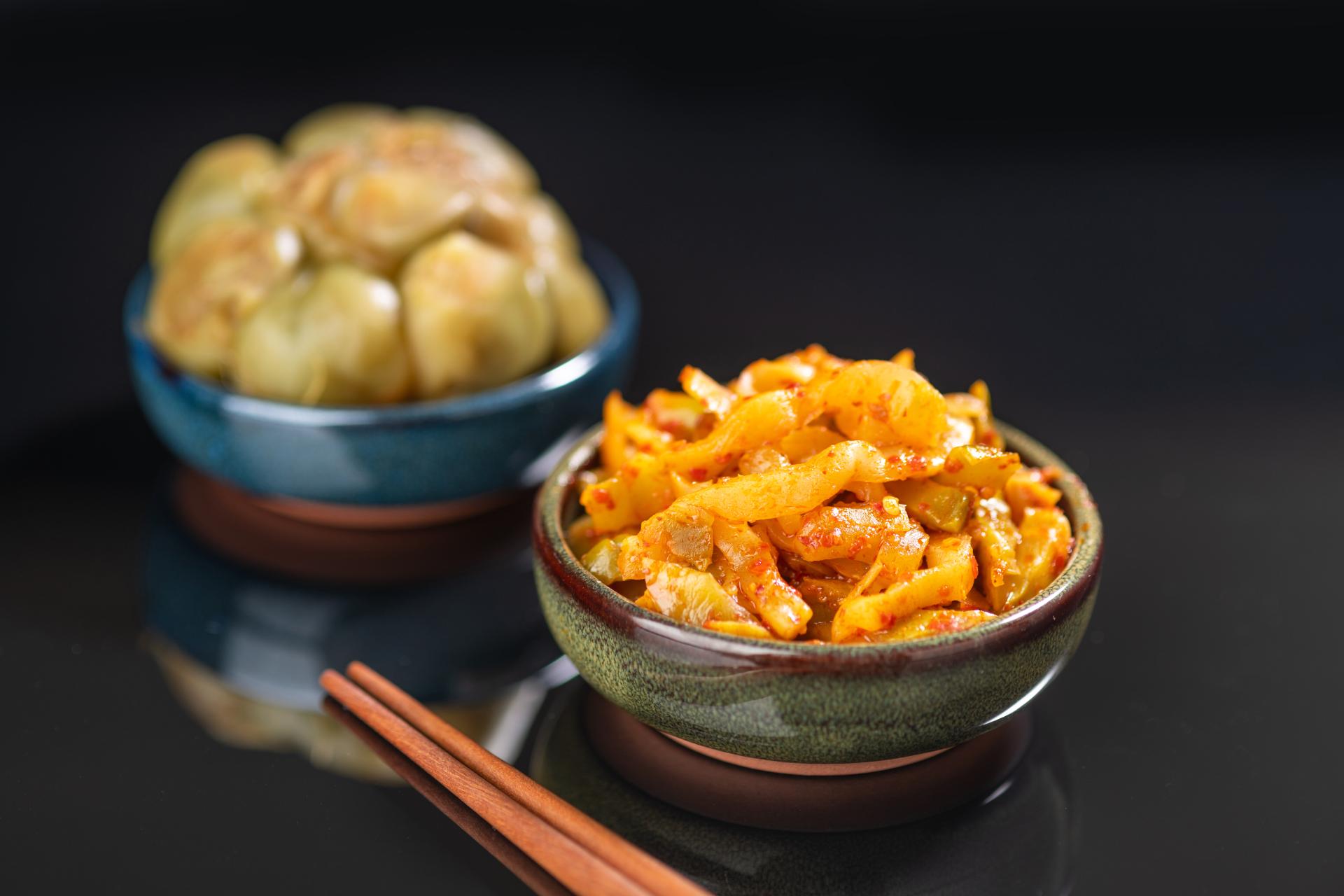
The origin of Fuling Zhacai can be traced back to 1898. At that time, Fuling merchant Qiu Shou'an processed the locally abundant mustard tubers found along the Sichuan River region by salting, desalinating and dehydrating them to create a new type of pickle. Because the process involved pressing out the brine in wooden boxes, it became known as "zhacai (pickled mustard tuber)" or "pressed pickle". Benefiting from the convenience of Yangtze River transport, the tender, crisp, fresh and flavorful Fuling Zhacai traveled downstream and gradually won over diners from all regions. For more than 120 years, small plates of pickled mustard tuber have evolved from simple table condiments for local residents along the Yangtze to a beloved "national side dish" on dining tables across China.
Recommended place to visit
Fuling Zhacai Historical Memory Museum
Located at the former residence of Qiu Shou'an— the original Qiu Family Courtyard, the museum covers an area of approximately 15,000 square meters. It includes an entrance landscape display area, a cultural core exhibition area, an old residence leisure zone, and an agricultural life experience area, offering a comprehensive presentation of the history, traditional craftsmanship and cultural significance of Fuling Zhacai.