
 English


 Published: February 11, 2026
 Editor: Cao Xuewen
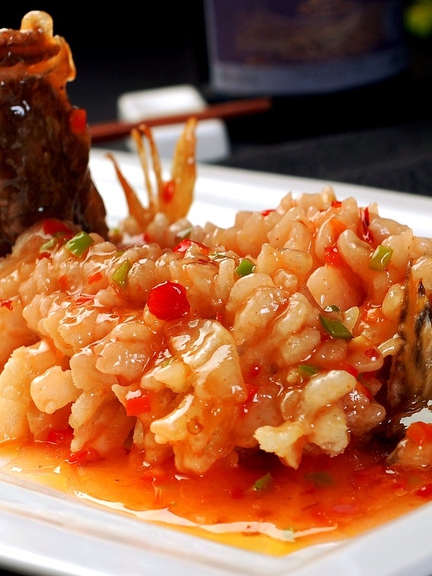
Fish is a must-have dish on Chinese dinner tables during the Spring Festival. This is because the Chinese character for fish, "yu," is a homophone for "surplus." Eating fish during the Chinese New Year carries the auspicious meaning of having "abundance year after year," expressing people's hopes for a prosperous and fulfilling life in the coming year.
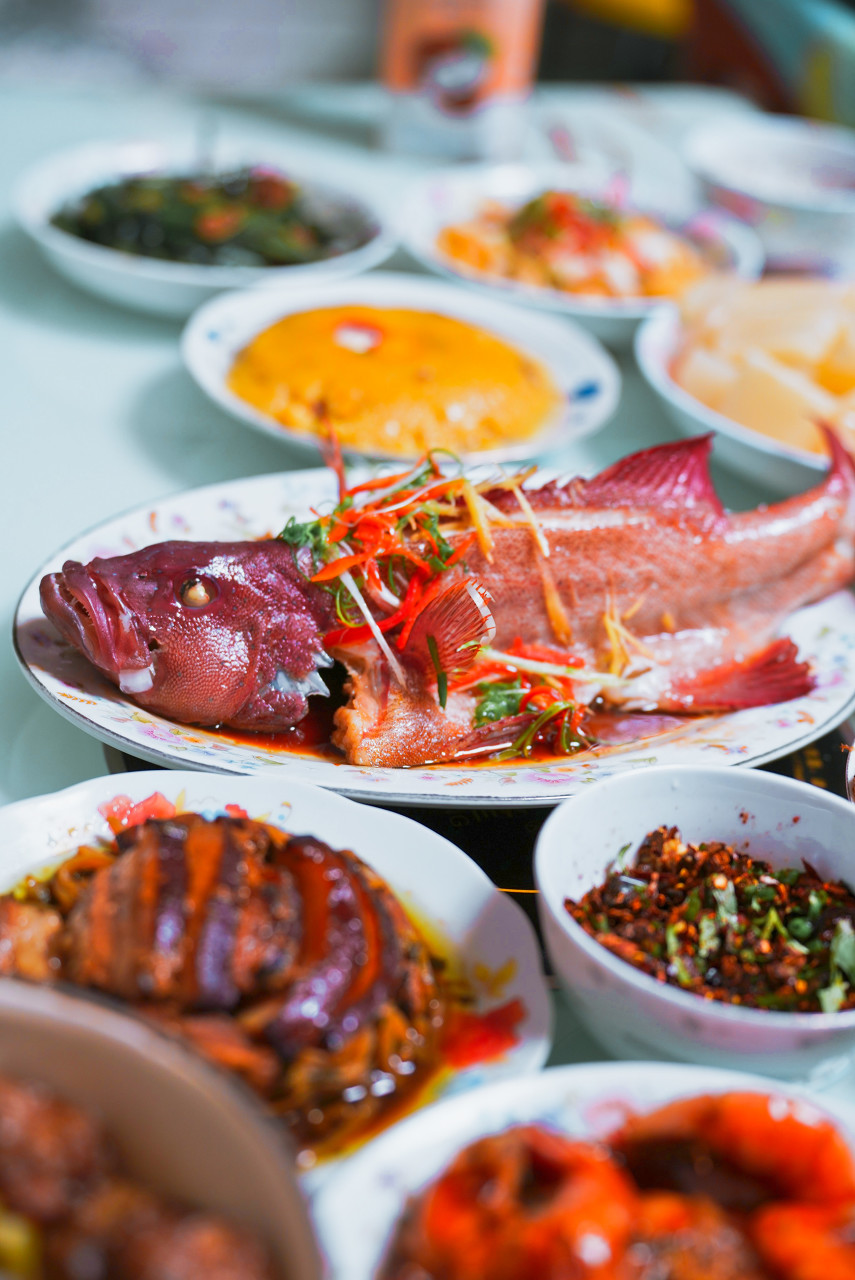
When it comes to eating fish during the Spring Festival, different regions have their own customs regarding its preparation, serving, and consumption. Fish is most commonly steamed or braised, and a whole fish is preferred as it symbolizes having a beginning and an end, as well as family unity.
At the New Year's Eve dinner, some regions follow the custom of placing the fish with its head facing east and tail west, or with the fish head pointed toward elders as a sign of respect. In addition, in certain areas, the fish served at the New Year's Eve meal is not fully eaten. The head and tail are saved to be enjoyed on the first day of the Chinese New Year, symbolizing "surplus year after year."
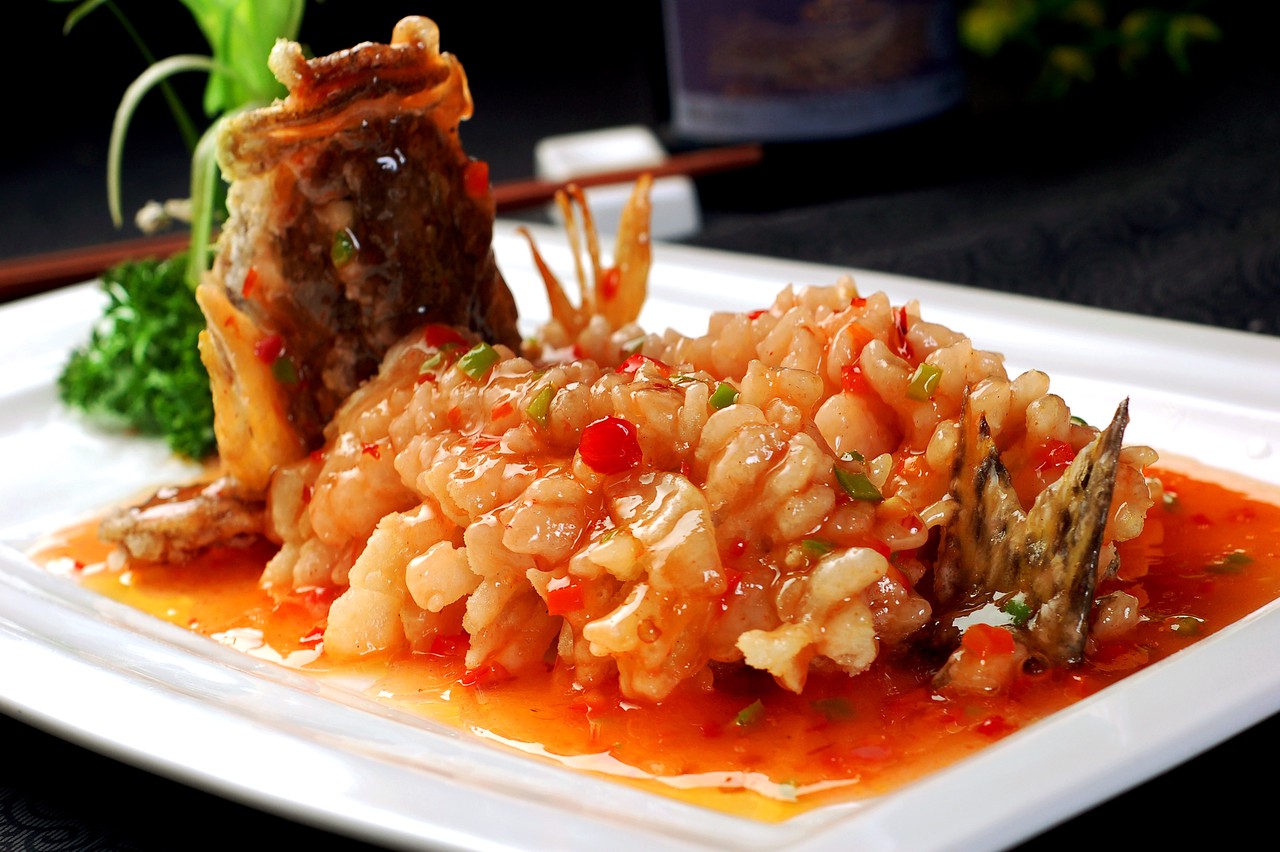
When eating fish during the Chinese New Year, people avoid saying the phrase "turn over." Instead, they say "turn the head," "rotate it" or "right it up," steering clear of unlucky associations such as capsizing or shipwrecks, and conveying wishes for safety and a smooth return.