
 English


 Published: February 9, 2026
 Editor: Yang Shuo
Exchanging red envelopes ("hongbao" in Chinese) is one of the warmest traditions of the Spring Festival. It is not just about giving money—it is a cultural symbol that carries blessings and strengthens family bonds.
1. Who should receive them?
Traditionally, the core function of red envelopes is for elders to pass on blessings to younger generations, though the practice has evolved over time.
Elders to children: Grandparents, parents, uncles and aunts give "yasuiqian" (also known as "lucky money") to children aged 0–18 as a token of "warding off evil and ensuring safe growth."
Children to elders: Grown-up children or grandchildren give "filial piety envelopes" to parents or grandparents to express gratitude. It is customary to increase the amount gradually year by year.
Foreigners attending Chinese family gatherings are not expected to give red envelopes. However, giving small ones (such as 66 or 88 yuan) to the host's children as a gesture of goodwill is highly appreciated.
2. How much to give?
The amount should be auspicious, appropriate, and within your means—it does not need to be large.
Suggested amounts: 66 yuan (symbolizing "everything goes smoothly"); 88 yuan (symbolizing "wealth flows in"); 100 yuan (symbolizing "long life" or "perfect score"); 200 yuan (symbolizing "double happiness").
Avoid: The number 4 (which sounds like "death"); odd numbers, as even numbers symbolize that "good things come in pairs."
3. How to give?
Use brand-new banknotes and fresh red envelopes printed with auspicious patterns such as "福" (meaning "fortune") or "马到成功" (meaning "instant success").
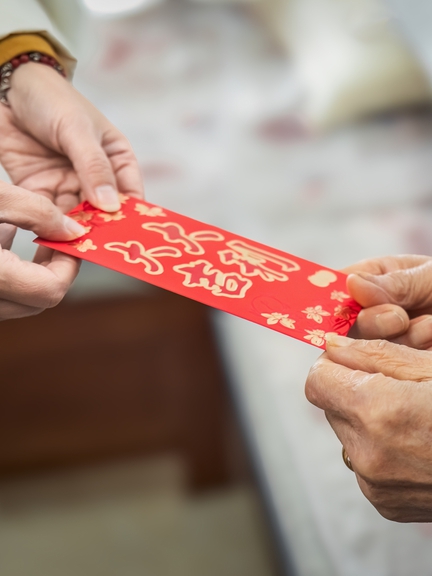
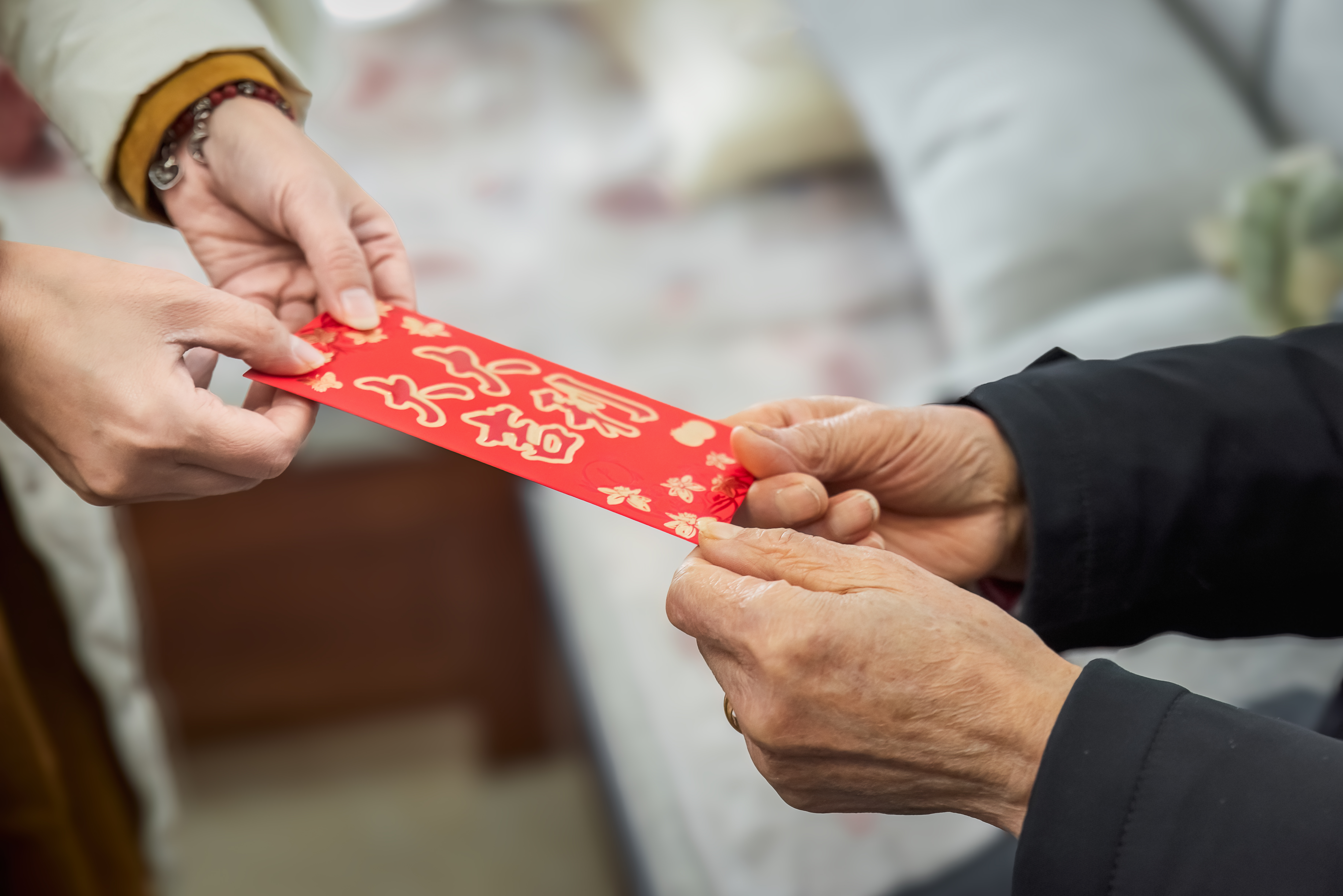
Hand the red envelope directly to the recipient with a kind phrase, such as "Happy Spring Festival, and best wishes for good health," or "Wish you strong vitality and academic progress."
4. How to receive?
If you receive a red envelope, do not open it in front of the giver. Accept it with both hands and say "thank you."