
 English


 Published: February 9, 2026
 Editor: Yang Shuo
Bringing gifts when visiting others during the Spring Festival is a heartfelt expression of the saying that "the gift may be small, but it's the thought that counts." For foreigners, understanding the nuances behind this custom helps avoid awkward moments and makes your blessings more thoughtful. Here is a practical guide:
1.Gifts: appropriate and auspicious
Chinese culture values "good omens," so gifts should be practical and carry positive meanings.
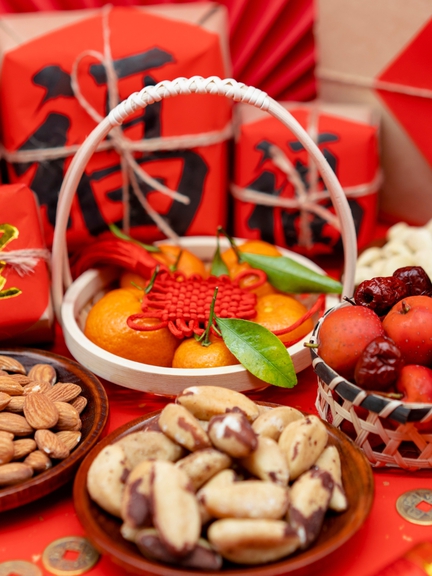
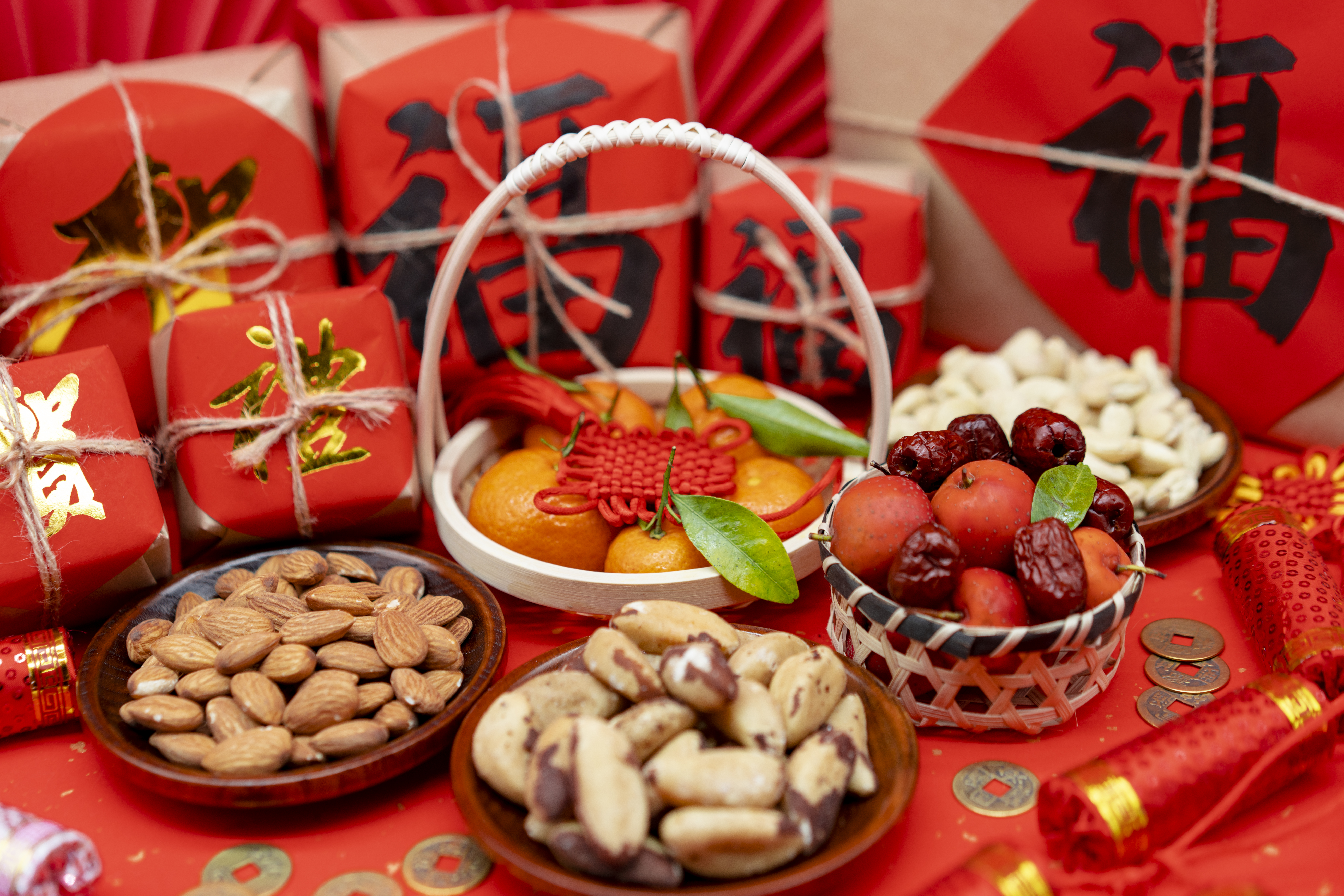
For families: Food gift sets like tea, nuts, honey, or pastries with festive packaging are suitable for most households.
For elders: Nutritional supplements or warming products convey care and respect.
For children: Safe toys like cloth books or wooden blocks are good choices. And avoid items with small parts or unfamiliar snacks.
2. Taboos: Avoid unlucky homophones and colors
In Chinese culture, certain homophones and colors are associated with negative meanings. Be careful not to turn good intentions into offense.
Do not give clocks, since "送钟" sounds like "attending a funeral."
Do not give pears, since "梨" sounds like "separation", making them especially unsuitable for couples or families.
Do not give umbrellas, since "伞" sounds like "parting".
Avoid white or black packaging, since white symbolizes mourning, and black misfortune. Red and gold are main festive colors.
3. Gift-giving etiquette: respect shown in details
A gift should be presented appropriately to truly convey sincerity.
Don't arrive empty-handed—even flowers or fruit express goodwill.
Offer gifts with both hands to show respect, especially when presenting them to elders.
The Spring Festival is a golden time for Chinese people to express love and kindness. A well-chosen gift not only carries blessings but also helps build warm bonds in cross-cultural communication. Remember: "the gift may be small, but it's the thought that counts." More than the price, sincere wishes and thoughtful details are what matter most.