 English


 Published: November 30, 2025
 Editor: Qingyu
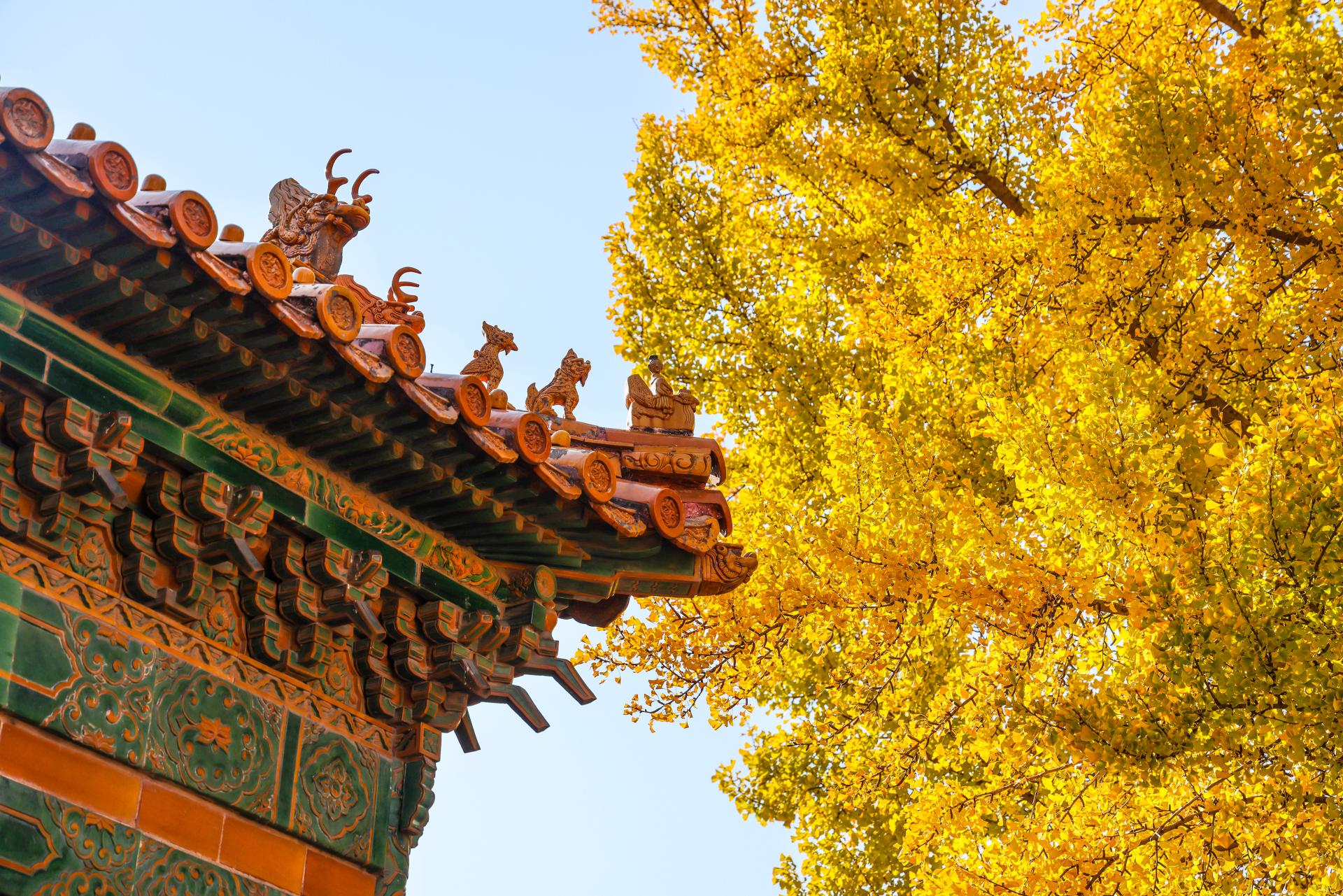
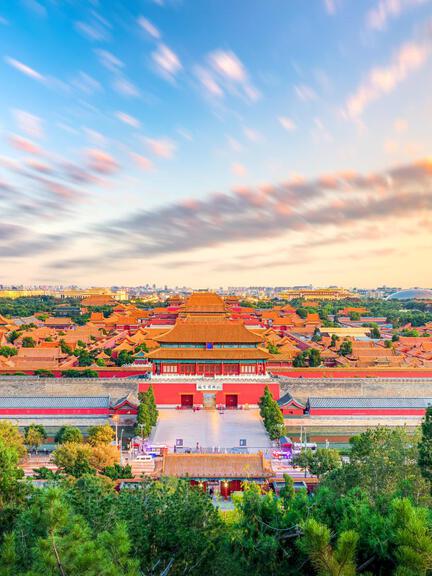
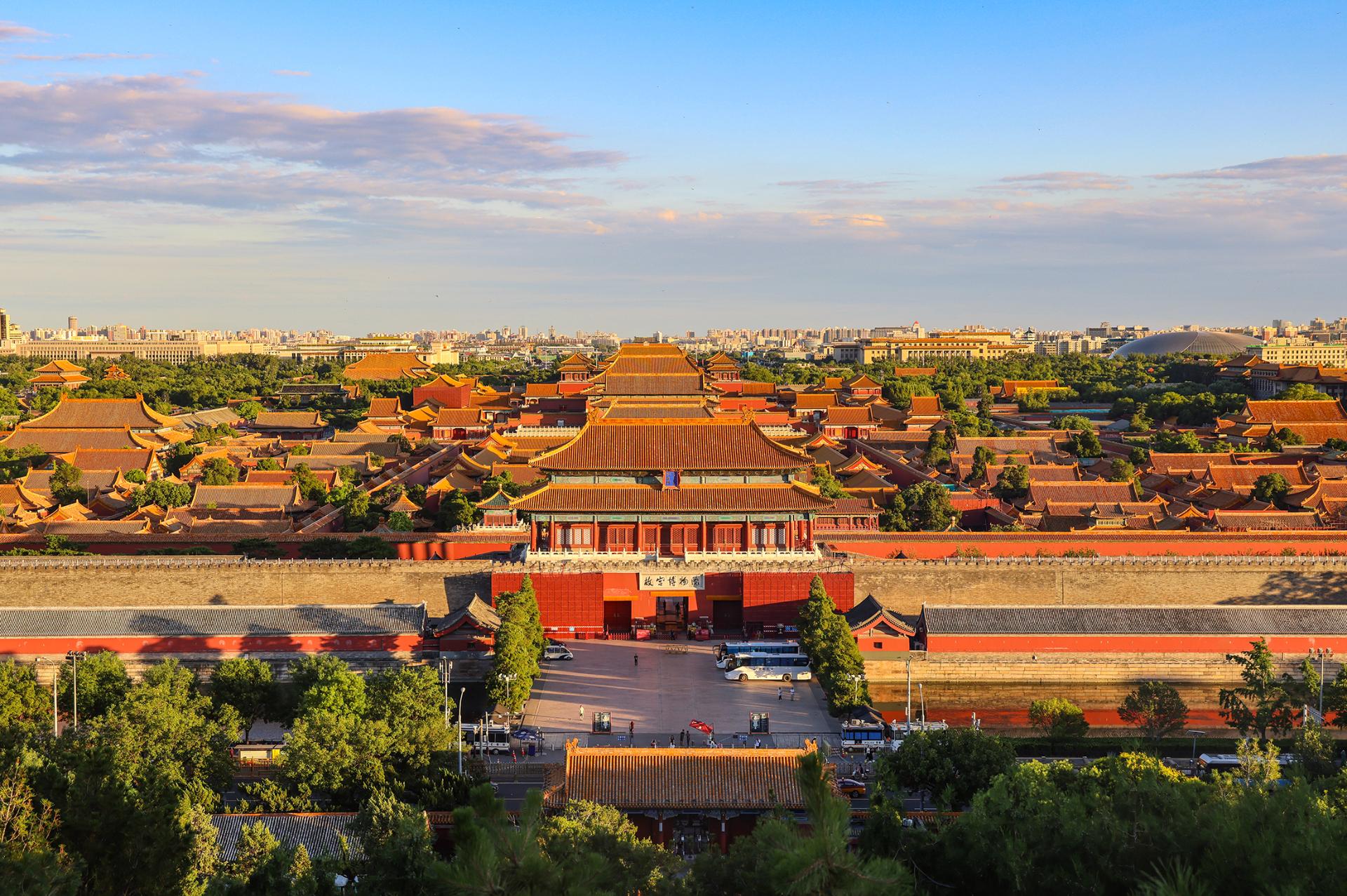
The Forbidden City is located at the heart of Beijing. Completed in 1420, it was the imperial palace during the Ming and Qing dynasties, home and seat of power to 24 emperors. It stands as the only surviving example and pinnacle of the Chinese palatial city, exemplifying traditional Chinese urban and palace construction principles, including axial alignment, central symmetry, and the clear functional division between the outer court for state affairs and the inner court as living quarters. The Palace Museum, established in 1925, is responsible for protecting and managing the Forbidden City, a UNESCO World Heritage site. It houses nearly two million precious imperial artifacts, including imperial household items and extensive records of traditional engineering, bearing witness to the rich cultural legacy of the Ming and Qing dynasties.
Recommended Routes
The Palace Museum is designed for a one-way visit from south to north, with all visitors entering through the Meridian Gate (Wu men) and exiting via the Gate of Divine Prowess (Shenwu men) or the East Prosperity Gate (Donghua men).
Two-Hour Tour Option 1:
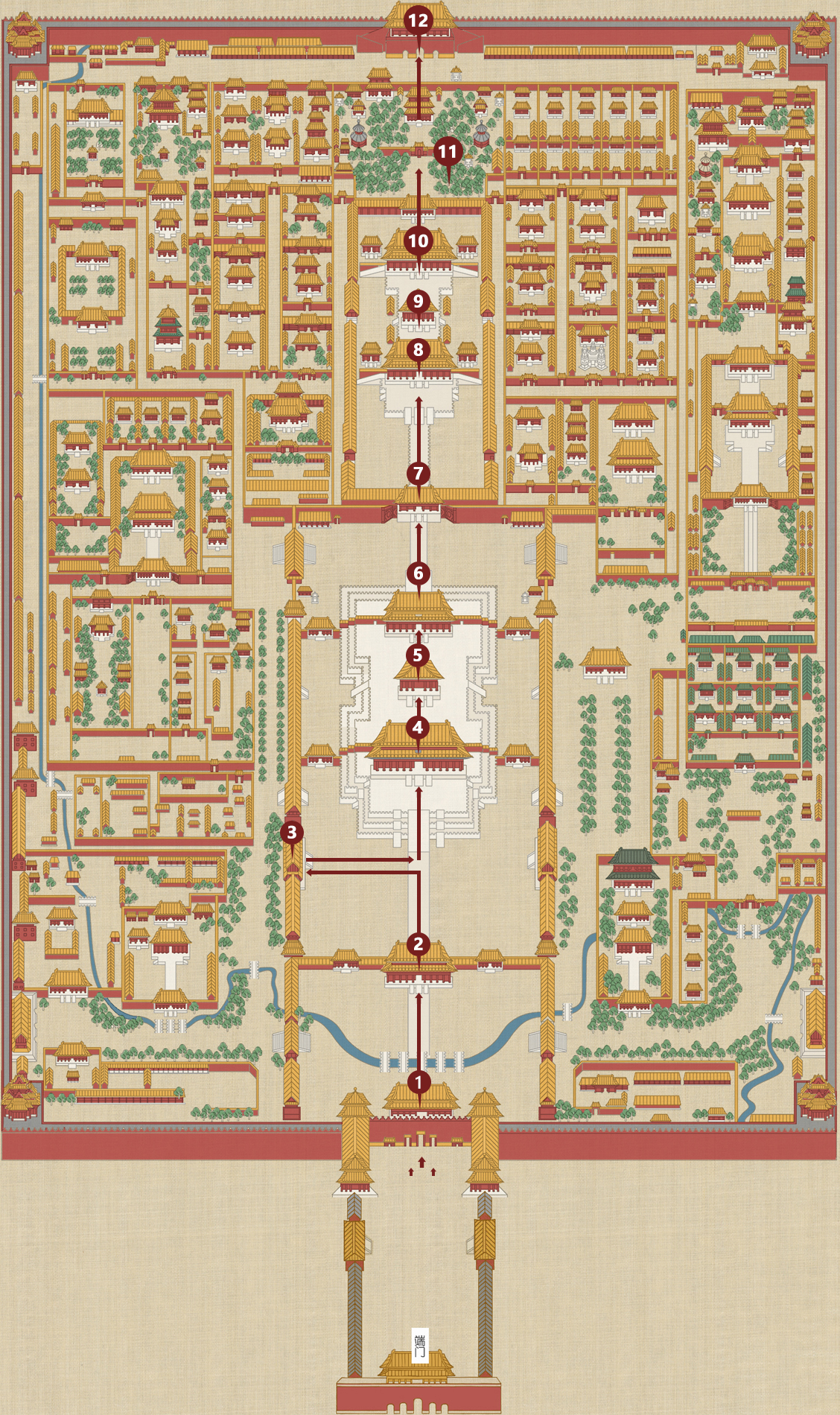
1. Meridian Gate (Wu men) 2. Gate of Supreme Harmony (Taihe men) 3. Belvedere of Spreading Righteousness (Hongyi ge) 4. Hall of Supreme Harmony (Taihe dian) 5. Hall of Middle Harmony (Zhonghe dian) 6. Hall of Preserving Harmony (Baohe dian) 7. Gate of Heavenly Purity (Qianqing men) 8. Palace of Heavenly Purity (Qianqing gong) 9. Hall of Union (Jiaotai dian) 10. Palace of Earthly Tranquility (Kunning gong) 11. Imperial Garden (Yuhuayuan) 12. Gate of Divine Prowess (Shenwu men)
Two-Hour Tour Option 2:
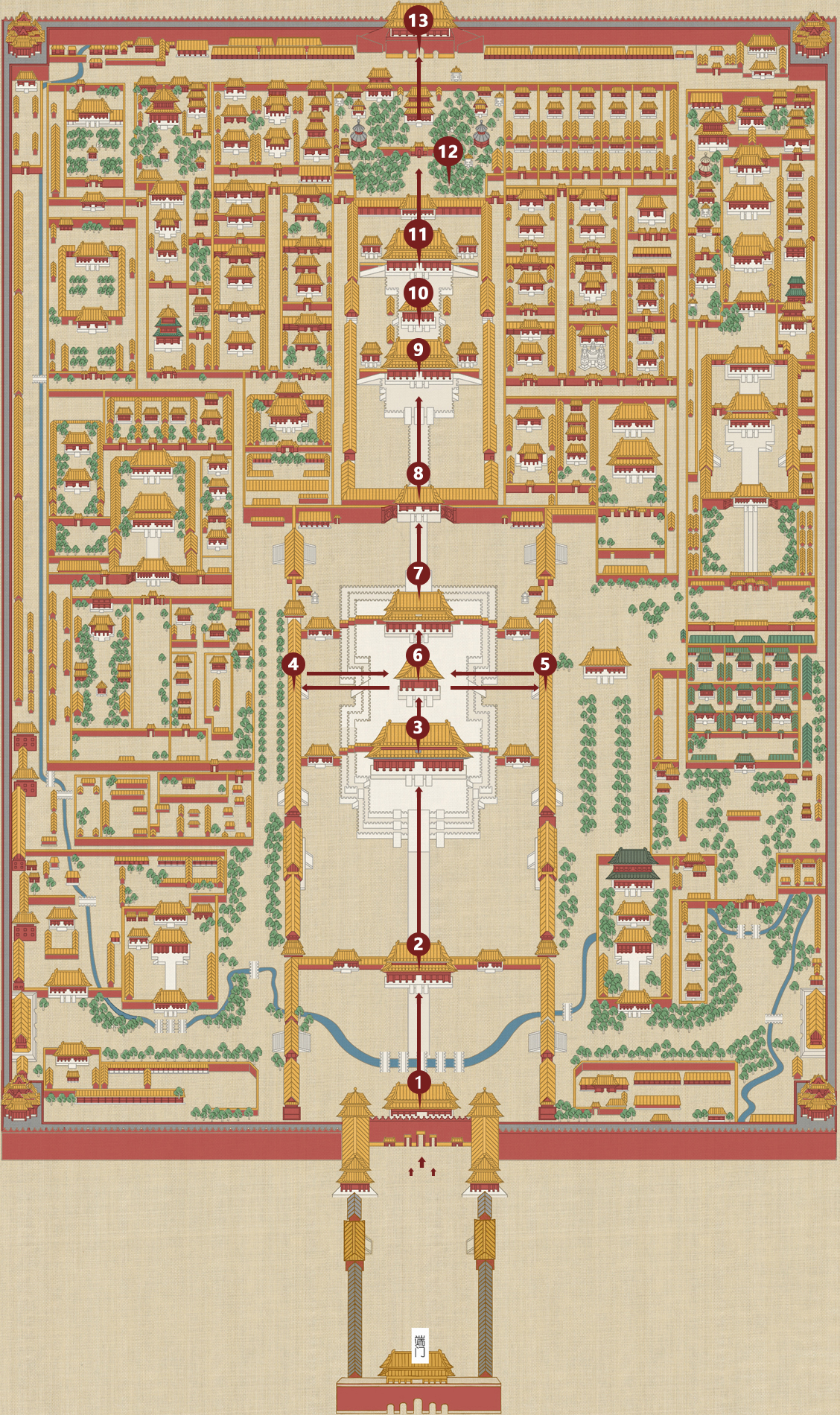
1. Meridian Gate (Wu men) 2. Gate of Supreme Harmony (Taihe men) 3. Hall of Supreme Harmony (Taihe dian) 4. West Wing of Hall of Preserving Harmony (Baohe dian) 5. East Wing of Hall of Preserving Harmony (Baohe dian) 6. Hall of Middle Harmony (Zhonghe dian) 7. Hall of Preserving Harmony (Baohe dian) 8. Gate of Heavenly Purity (Qianqing men) 9. Palace of Heavenly Purity (Qianqing gong) 10. Hall of Union (Jiaotai dian) 11. Palace of Earthly Tranquility (Kunning gong) 12. Imperial Garden (Yuhuayuan) 13. Gate of Divine Prowess (Shenwu men)
Half-Day Tour Option 1:
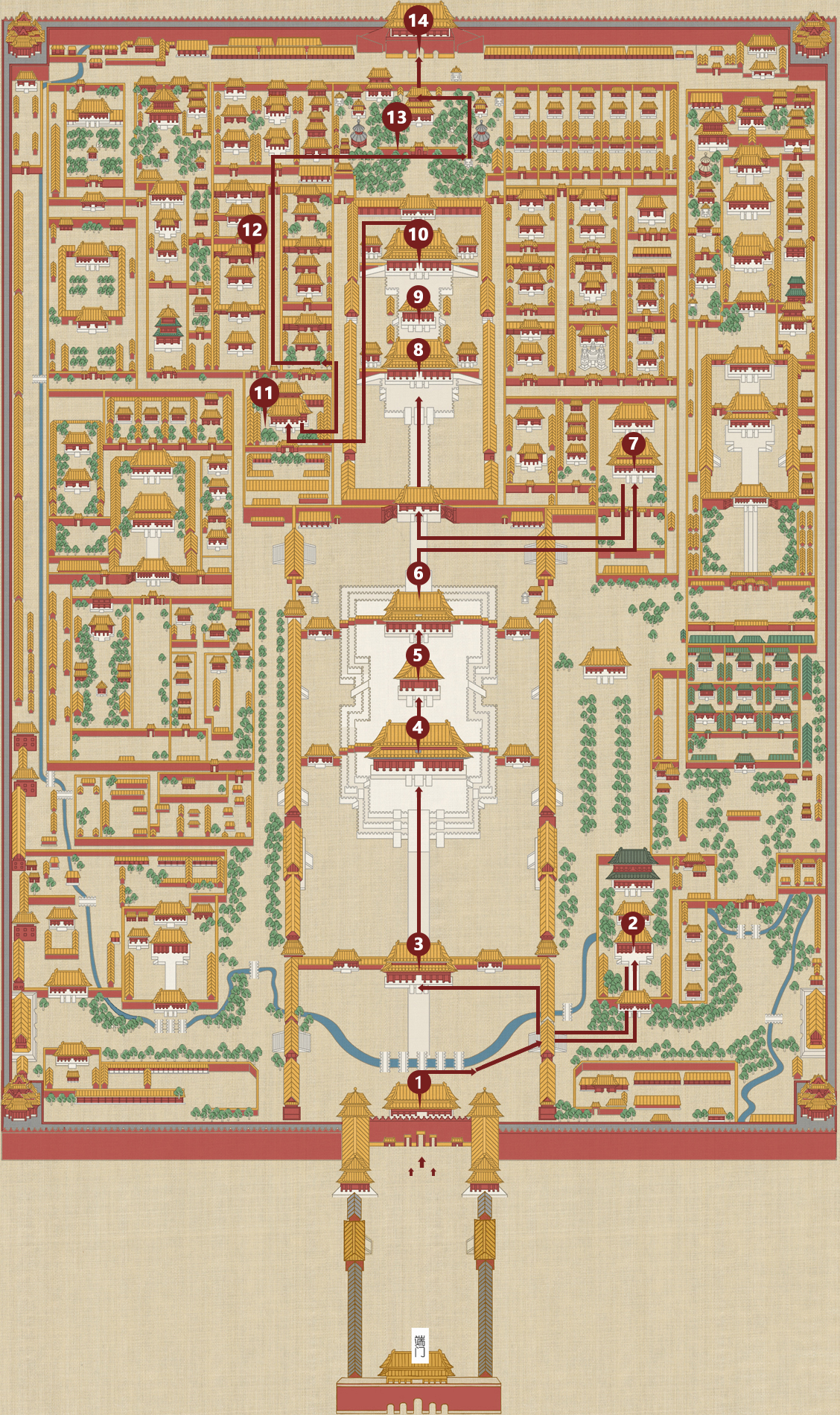
1. Meridian Gate (Wu men) 2. Hall of Literary Brilliance (Wenhua dian) 3. Gate of Supreme Harmony (Taihe men) 4. Hall of Supreme Harmony (Taihe dian) 5. Hall of Middle Harmony (Zhonghe dian) 6. Hall of Preserving Harmony (Baohe dian) 7. Hall for Ancestral Worship (Gallery of Timepieces) 8. Palace of Heavenly Purity (Qianqing gong) 9. Hall of Union (Jiaotai dian) 10. Palace of Earthly Tranquility (Kunning gong) 11. Hall of Mental Cultivation (Yangxin dian) 12. Western Six Palaces 13. Imperial Garden (Yuhuayuan) 14. Gate of Divine Prowess (Shenwu men)
Half-Day Tour Option 2:
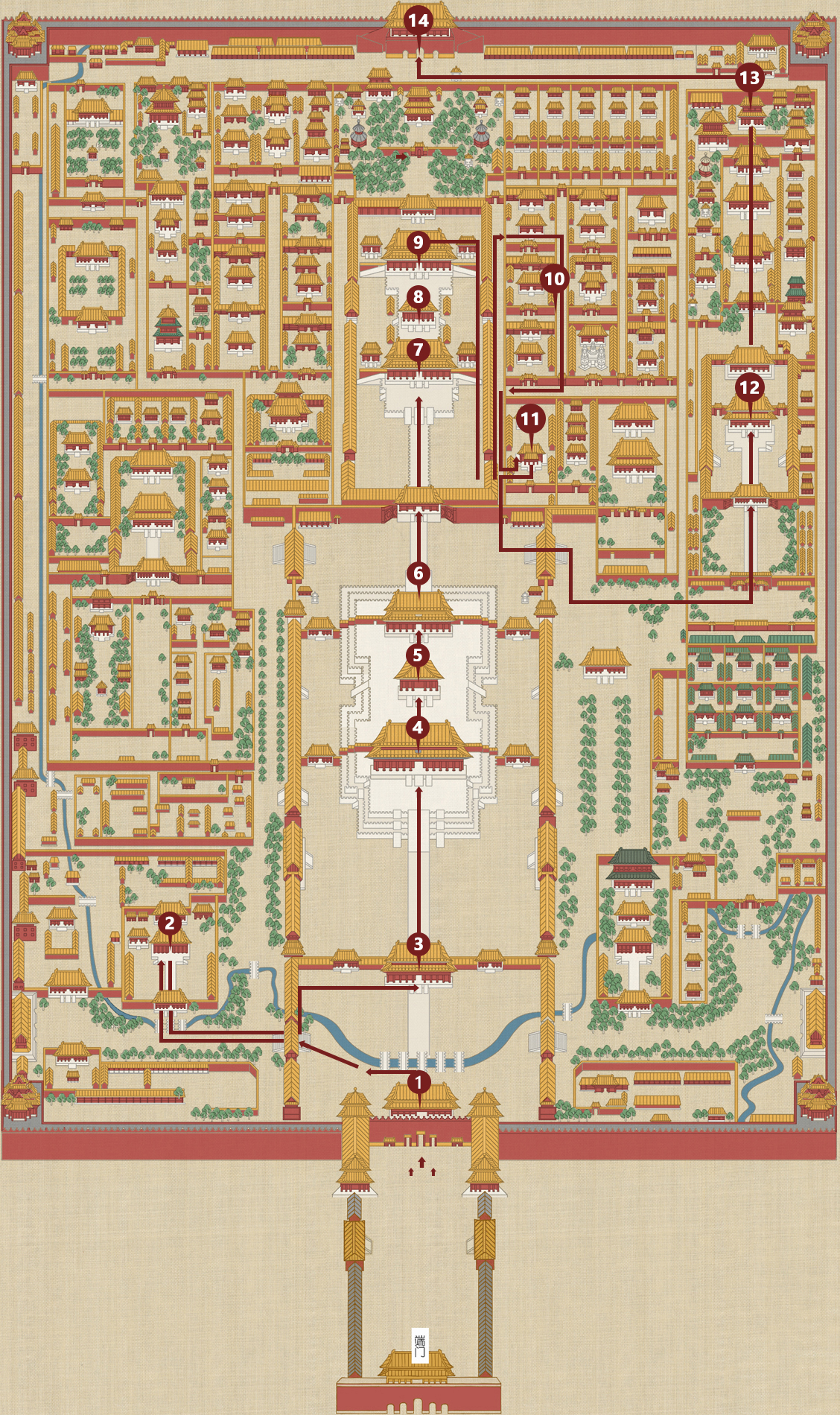
1. Meridian Gate (Wu men) 2. Hall of Martial Valor (Wuying dian) 3. Gate of Supreme Harmony (Taihe men) 4. Hall of Supreme Harmony (Taihe dian) 5. Hall of Middle Harmony (Zhonghe dian) 6. Hall of Preserving Harmony (Baohe dian) 7. Palace of Heavenly Purity (Qianqing gong) 8. Hall of Union (Jiaotai dian) 9. Palace of Earthly Tranquility (Kunning gong) 10. Eastern Six Palaces 11. Hall for Abstinence (Zhai gong) 12. Front Halls of the Palace of Tranquil Longevity 13. Rear Halls of the Palace of Tranquil Longevity 14. Gate of Divine Prowess (Shenwu men)
Full-Day Tour (covering nearly all open areas, major halls, and exhibition galleries)
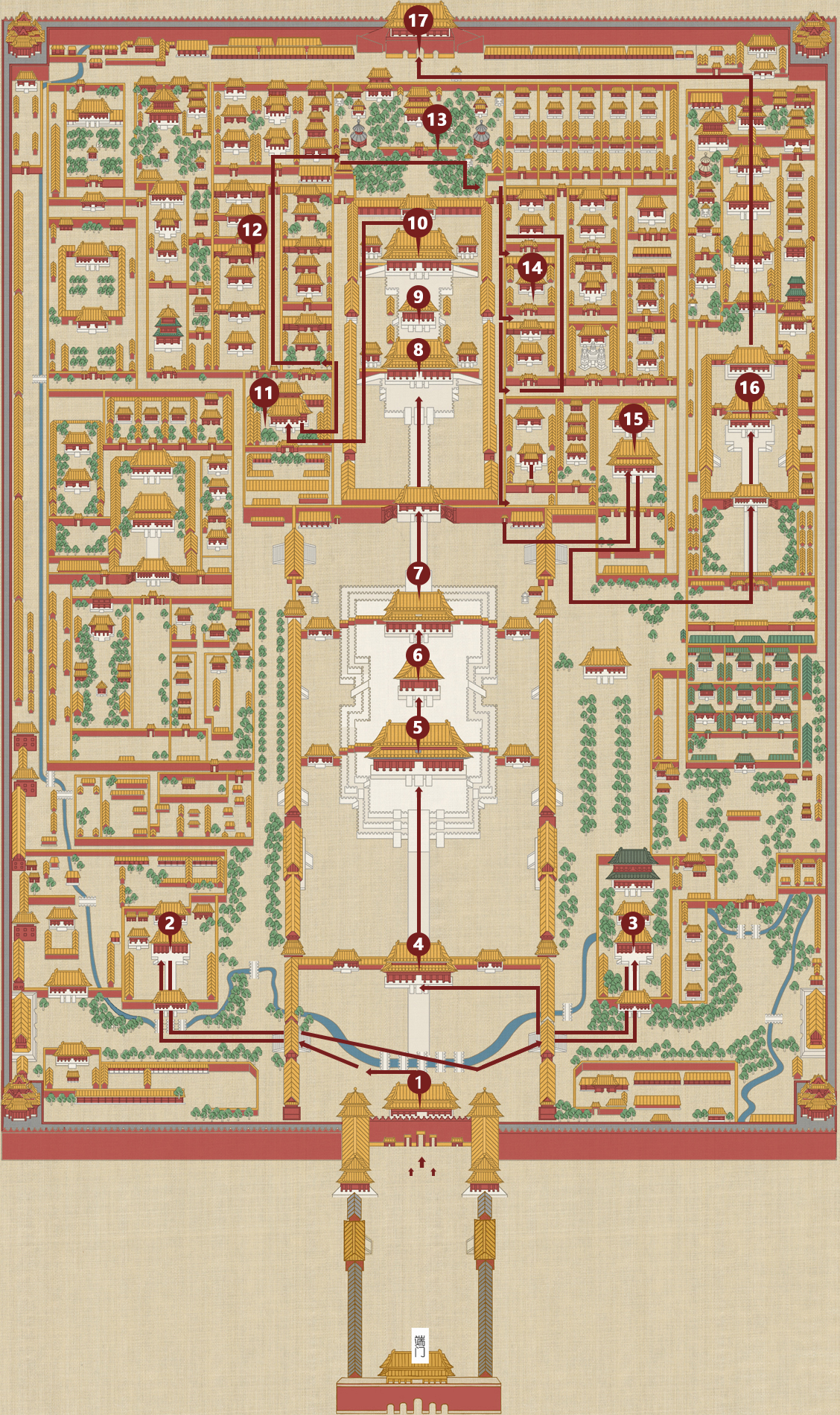
1. Meridian Gate (Wu men) 2. Hall of Martial Valor (Wuying dian) 3. Hall of Literary Brilliance (Wenhua dian) 4. Gate of Supreme Harmony (Taihe men) 5. Hall of Supreme Harmony (Taihe dian) 6. Hall of Middle Harmony (Zhonghe dian) 7. Hall of Preserving Harmony (Baohe dian) 8. Palace of Heavenly Purity (Qianqing gong) 9. Hall of Union (Jiaotai dian) 10. Palace of Earthly Tranquility (Kunning gong) 11. Hall of Mental Cultivation (Yangxin dian) 12. Western Six Palaces 13. Imperial Garden (Yuhuayuan) 14. Eastern Six Palaces 15. Hall for Ancestral Worship (Gallery of Timepieces) 16. Palace of Tranquil Longevity Complex (Treasure Gallery) 17. Gate of Divine Prowess (Shenwu men)
Selected Cultural Artefacts
Golden Dragon Throne and Screen
Exhibition Location: Hall of Supreme Harmony (Taihe dian)
The Forbidden City houses a diverse collection of thrones and screens, each distinguished by its unique craftsmanship and design. Among them, this throne and screen hold the most exalted position, reserved exclusively for the emperor—the revered “Son of Heaven.”
“Upright and Pure in Mind” Plaque
Exhibition Location: Palace of Heavenly Purity (Qianqing gong)
From the mid-Qing Dynasty onward, emperors adopted a confidential succession system. The name of the chosen heir was sealed within a casket and placed behind this plaque. Only upon the emperor’s deathbed would trusted ministers retrieve it and publicly announce the successor by imperial decree.
Jade Mountain Depicting the Legend of Yu the Great Taming the Floods
Exhibition Location: Hall of Joyful Longevity (Leshou tang), Palace of Tranquil Longevity Complex (Ningshou gong)
In the Hall of Joyful Longevity, along the eastern outer route of the Forbidden City, stands a magnificent and unparalleled jade carving. It depicts the ancient legend of Yu the Great, the legendary sage-king who led his people to conquer floods and reshape the land. This monumental piece, weighing over 5,000 kilograms, was crafted from a single jade boulder sourced from the Mileta Mountains in Xinjiang, thousands of kilometers from Beijing.
Gilt Bronze Automaton Clock
Exhibition Location: Gallery of Timepieces (Hall for Ancestral Worship)
This multi-tiered gilded bronze clock features a mechanical figure that writes characters on its lower tier. Created by Western artisans specifically for the Qing court, it represents a remarkable fusion of Eastern and Western technology and artistic tradition.
Tickets
Peak season (April 1 - October 31): RMB 60 per person
Off-season (November 1 - March 31): RMB 40 per person
The Treasure Gallery: RMB 10 per person
Gallery of Timepieces: RMB 10 per person
Tips
1. The Museum closes on Mondays except for statutory holidays.
2. All visitors must make a real-name reservation and present valid identification. Non-mainland Chinese visitors may use the Mainland Travel Permit for Hong Kong and Macao Residents, Mainland Travel Permit for Taiwan Residents, Mainland Residence Card for Hong Kong, Macao and Taiwan residents, People’s Republic of China Foreign Permanent Resident ID Card, or passports. Each ID can reserve only one ticket per day.
3. The Palace Museum offers luggage storage and free baggage delivery services. The storage counter is located at the Visitor Service Center on the west side of Gate of Correct Department (Duan men) Square. Luggage retrieval points are situated on the east side of the square outside Gate of Divine Prowess (Shenwu men) and the north side of the square outside East Prosperity Gate (Donghua men).