 English


 Published: November 27, 2025
 Editor: Ruoxi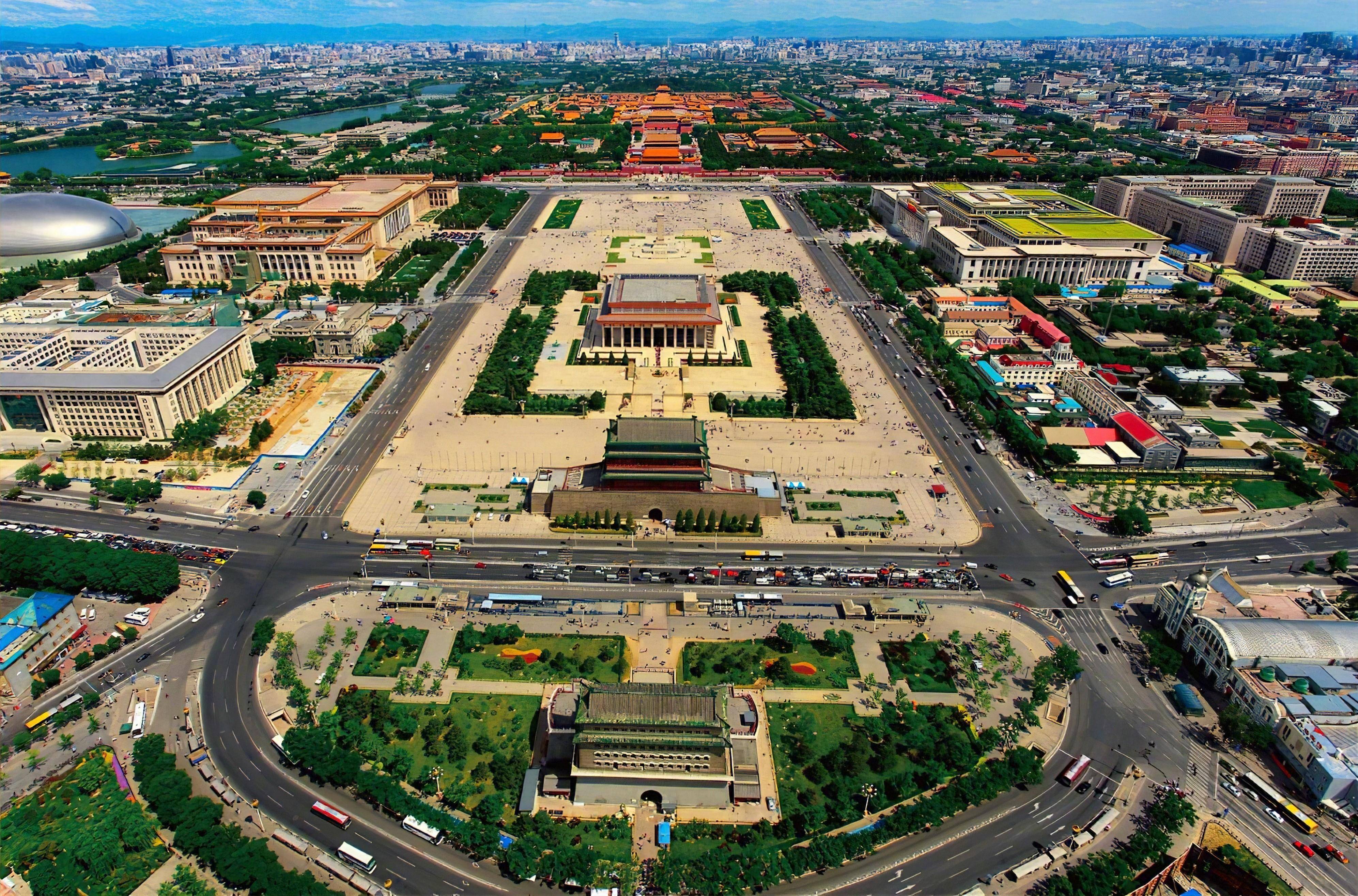
Stretching 7.8 kilometers across the heart of Beijing's Old City, the Beijing Central Axis is a monumental architectural ensemble that runs directly north to south. Initiated in the 13th century, taking its definitive form in the 16th century, and continuously refined thereafter, this axis made a significant public transition in the 20th century. It stands today as the most complete surviving traditional capital city axis in China and ranks among the world's longest urban axes.
The Beijing Central Axis is composed of five major categories of heritage remains: ancient imperial palace and garden architecture, ancient imperial ritual architecture, ancient urban administrative facilities, national ceremonial and public buildings, and the central roadway remains. Together, these remains vividly illustrate China's ancient urban planning traditions and bear witness to the development and transformation of the city of Beijing over time.
On July 27, 2024, the 46th session of the UNESCO World Heritage Committee officially adopted a resolution to inscribe "Beijing Central Axis: A Building Ensemble Exhibiting the Ideal Order of the Chinese Capital" on the World Heritage List.
Significant Landmarks
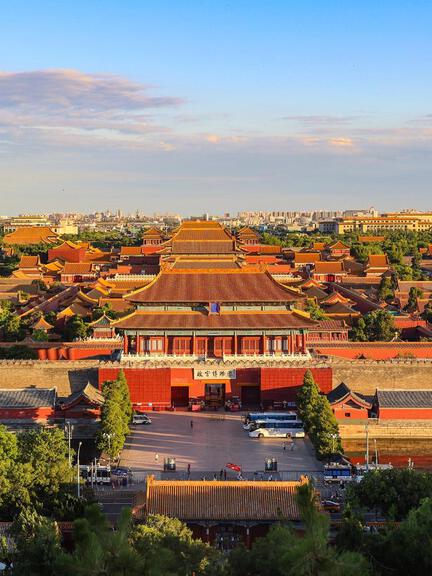
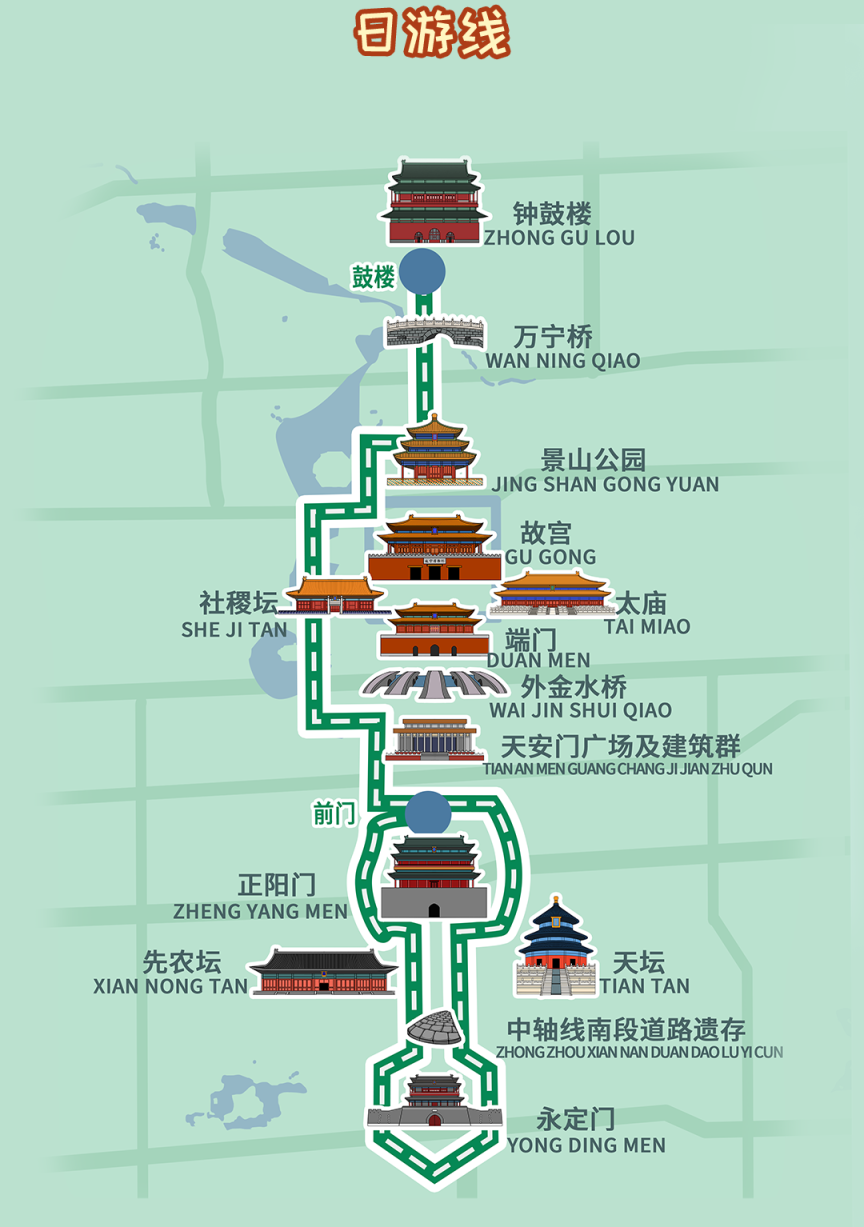
Bell and Drum Towers, Wanning Bridge, Jingshan Hill, the Forbidden City, Duanmen, Tian'anmen, Outer Jinshui Bridge, the Imperial Ancestral Temple, Imperial Divine Temple, the Tian'anmen Square and its surrounding structures (Tian'anmen Square, the Monument to the People's Heroes, the Chairman Mao Memorial Hall, the National Museum of China, and the Great Hall of the People), Zhengyangmen, remains of the southern road section, Temple of Heaven, Xiannong Altar, and Yongdingmen.
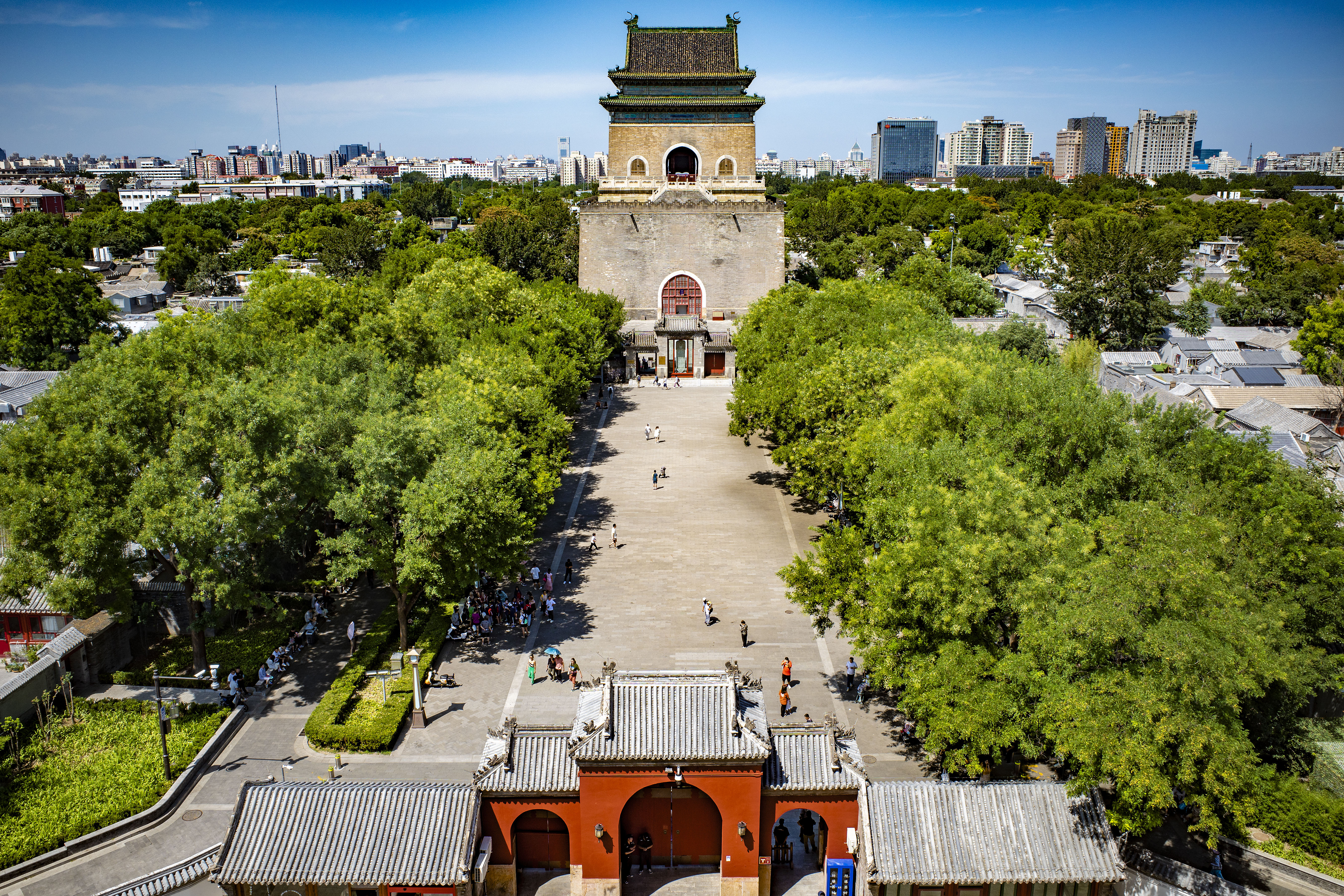
Bell and Drum Towers
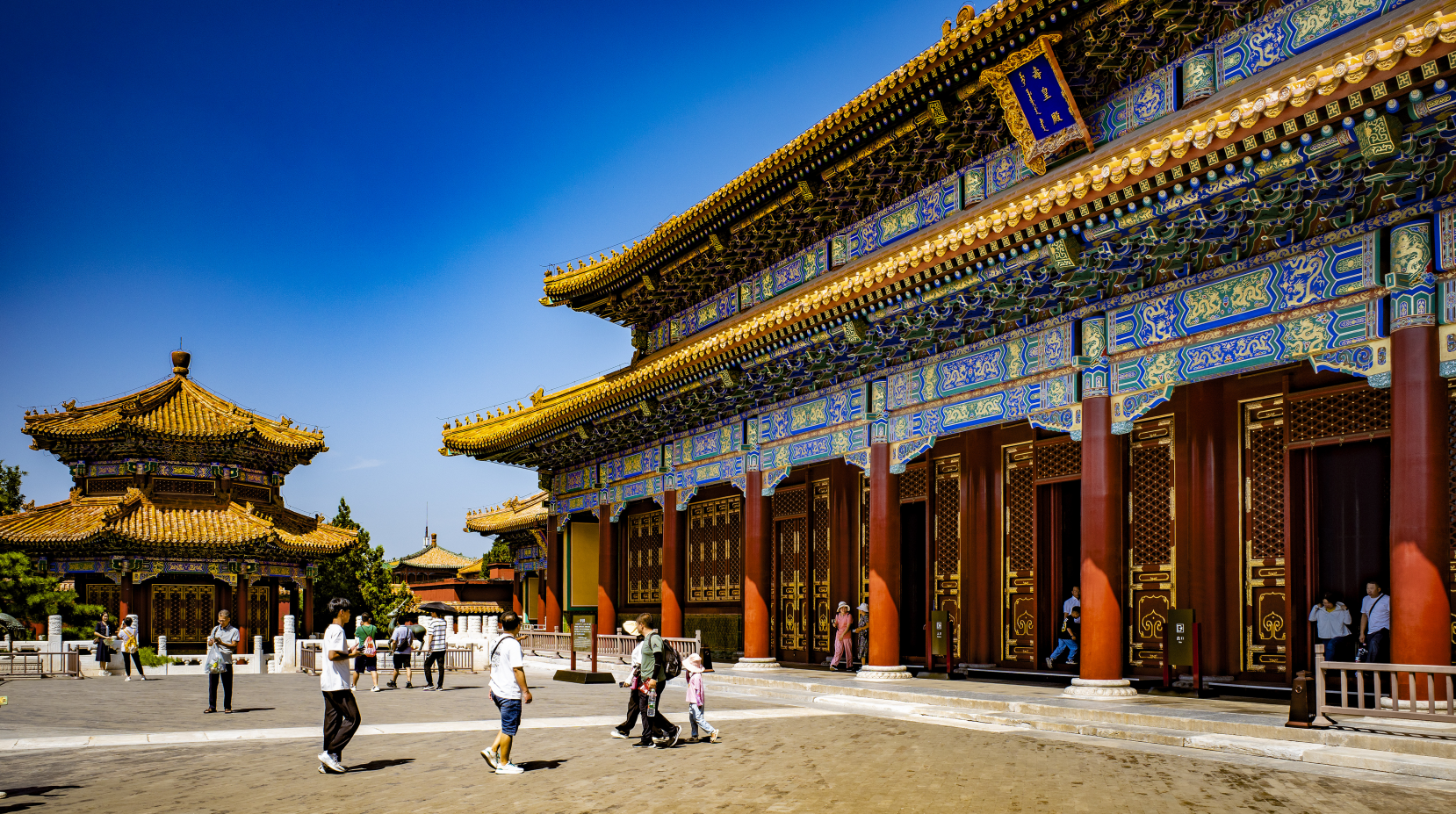
Jingshan Hill
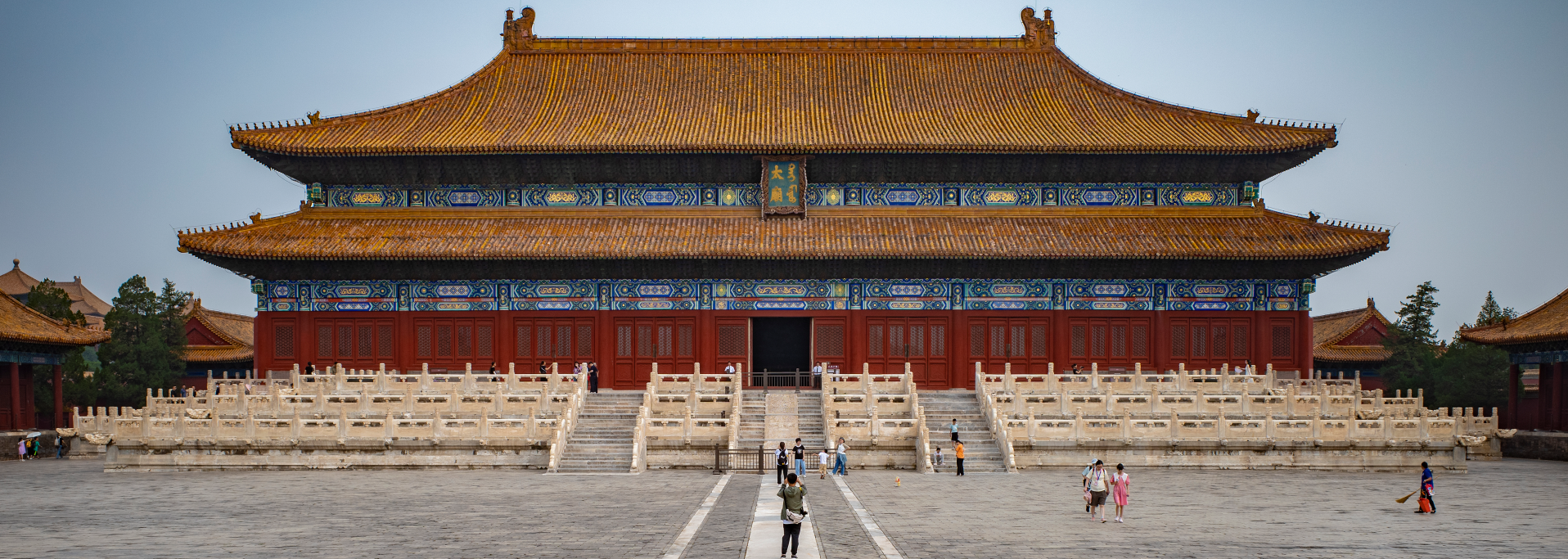
The Imperial Ancestral Temple
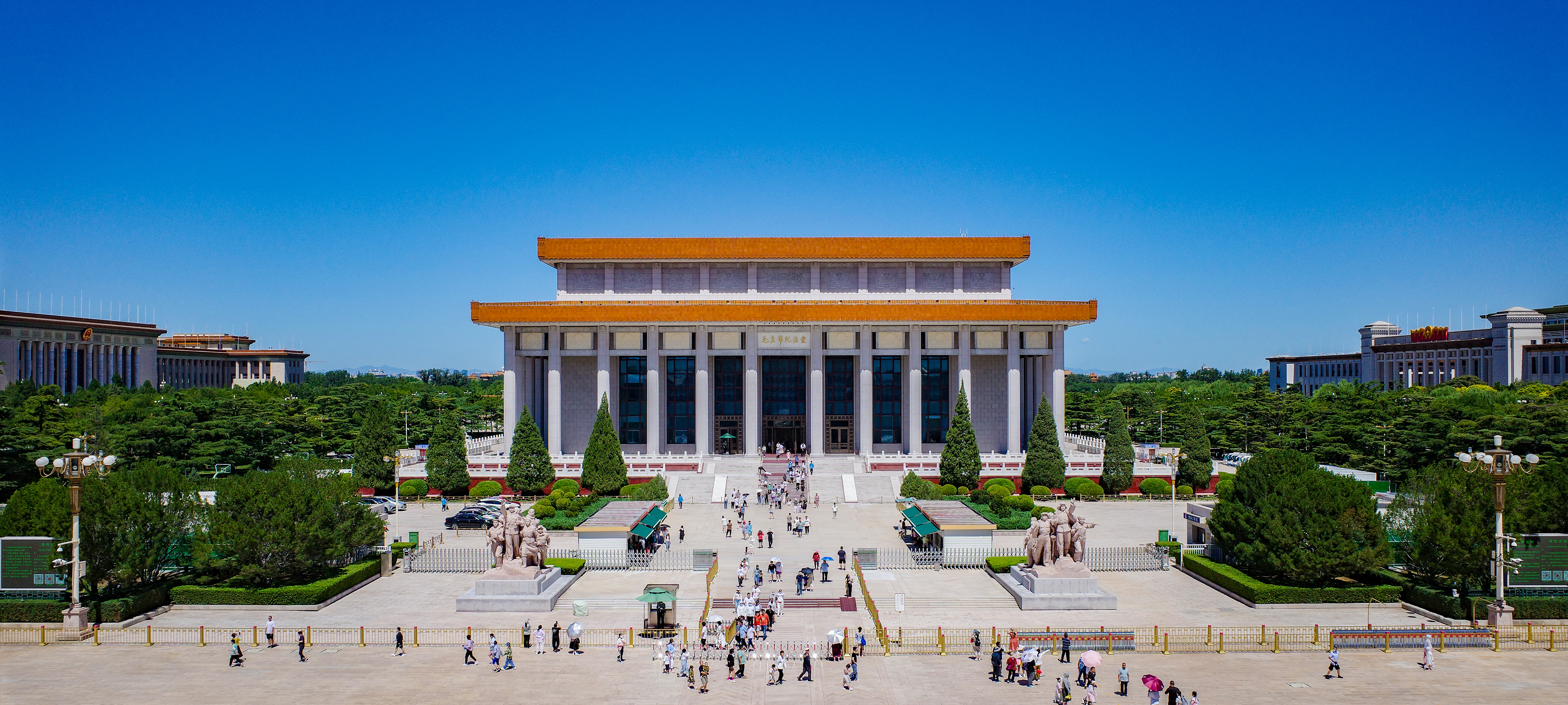
The Chairman Mao Memorial Hall
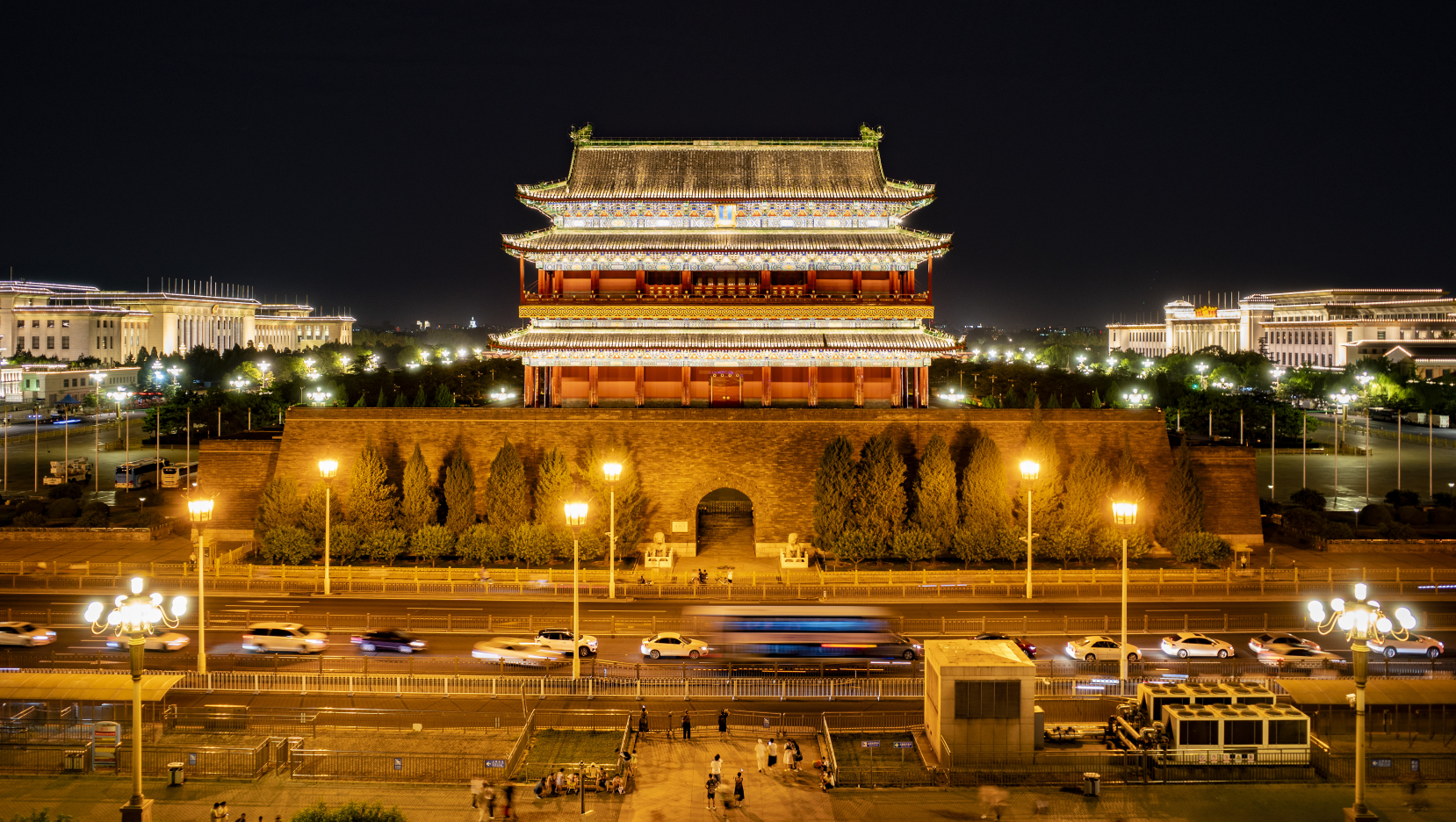
Night View of Zhengyangmen
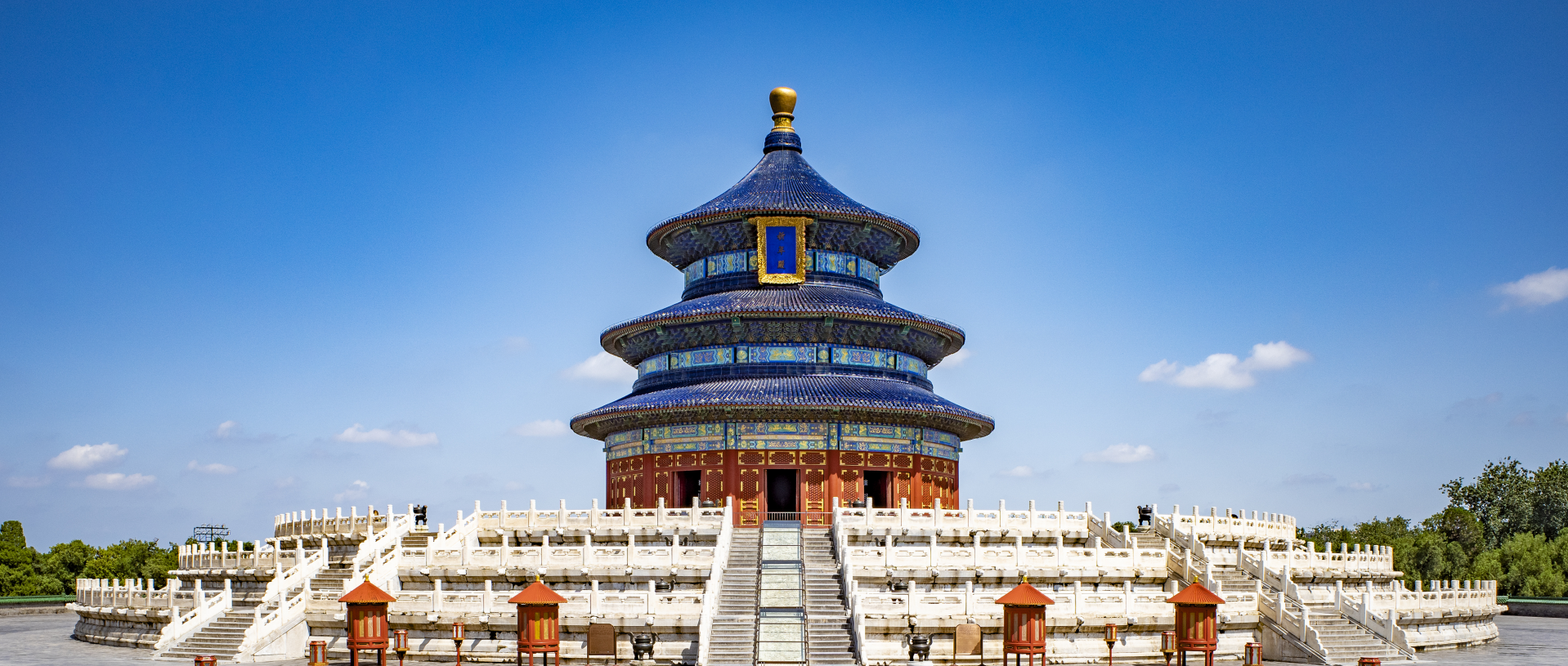
Temple of Heaven
Getting Around
Subway: Line 8 offers direct access to stations such as Gulou Dajie, Nanluogu Xiang, Qianmen, and Yongdingmenwai, ensuring smooth, seamless connections to most major landmarks along the central axis.
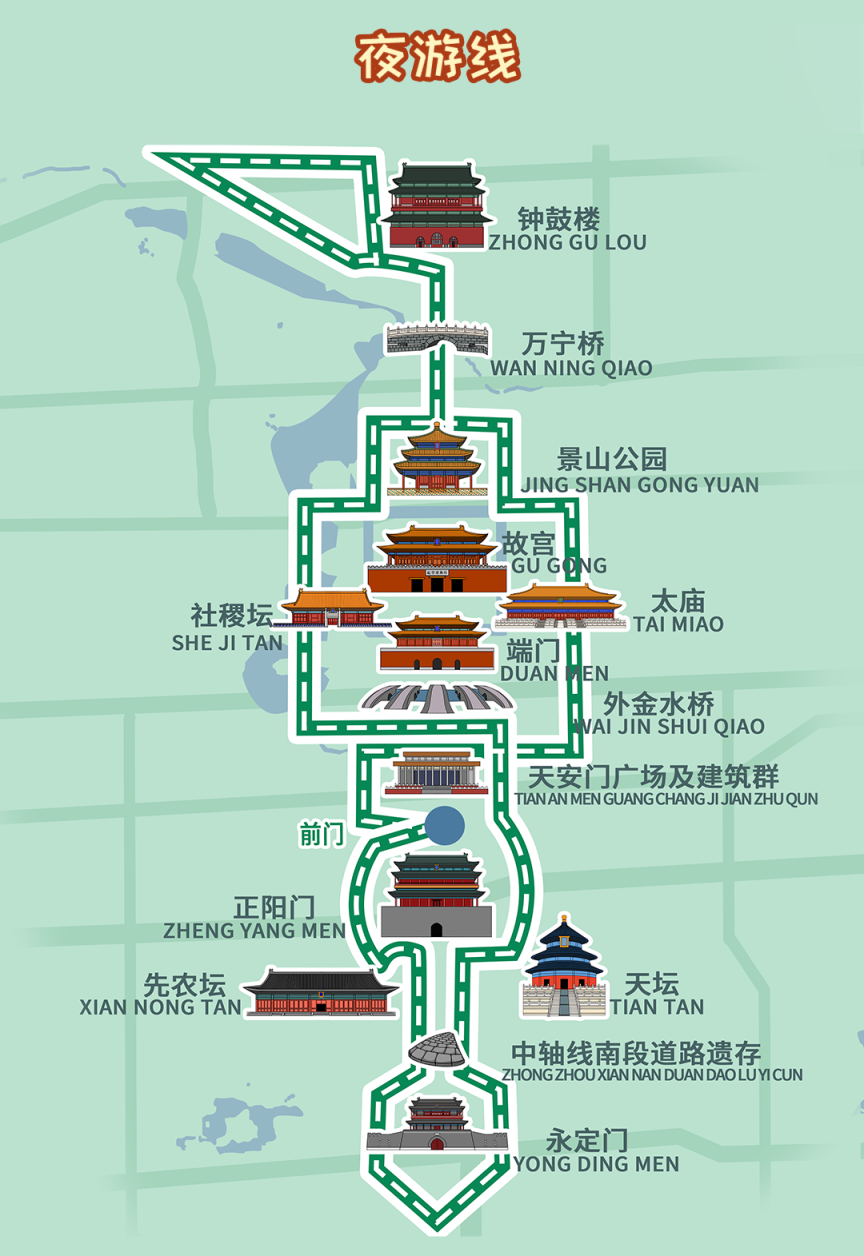
Bus: The Grand Central Axis sightseeing bus, a purely electric, vintage-style ding-ding tram, operates both Day Tours and Night Tours.
Day Tour Route: Running from Qianmen (start/end station) to the Drum Tower, this 12-kilometer, one-way route makes no stops en route. Services run from 10:00 AM to 5:00 PM. Tickets are priced at ¥50 per person, and the service includes bilingual commentary and onboard cultural and creative merchandise available for purchase.
Night Tour Route: Starting and ending at Qianmen, this 25-kilometer journey is available exclusively through online booking. The bus makes no stops along the way. The ticket price is ¥268 per person and must be booked online at least one day in advance. A minimum of 10 passengers is required for the tour to operate. Children under 1.3 meters tall ride free if they do not occupy a seat. The price includes a guided commentary, a traditional performing arts show (Quyi), and a meal choice of either an authentic Beijing roast duck set or a Western-style light meal. Cultural and creative products are available for purchase onboard.