
 English


 Published: February 9, 2026
 Editor: Xinxin
The Horse (Wu) ranks seventh in the Chinese zodiaccycle.
Year of the Horse
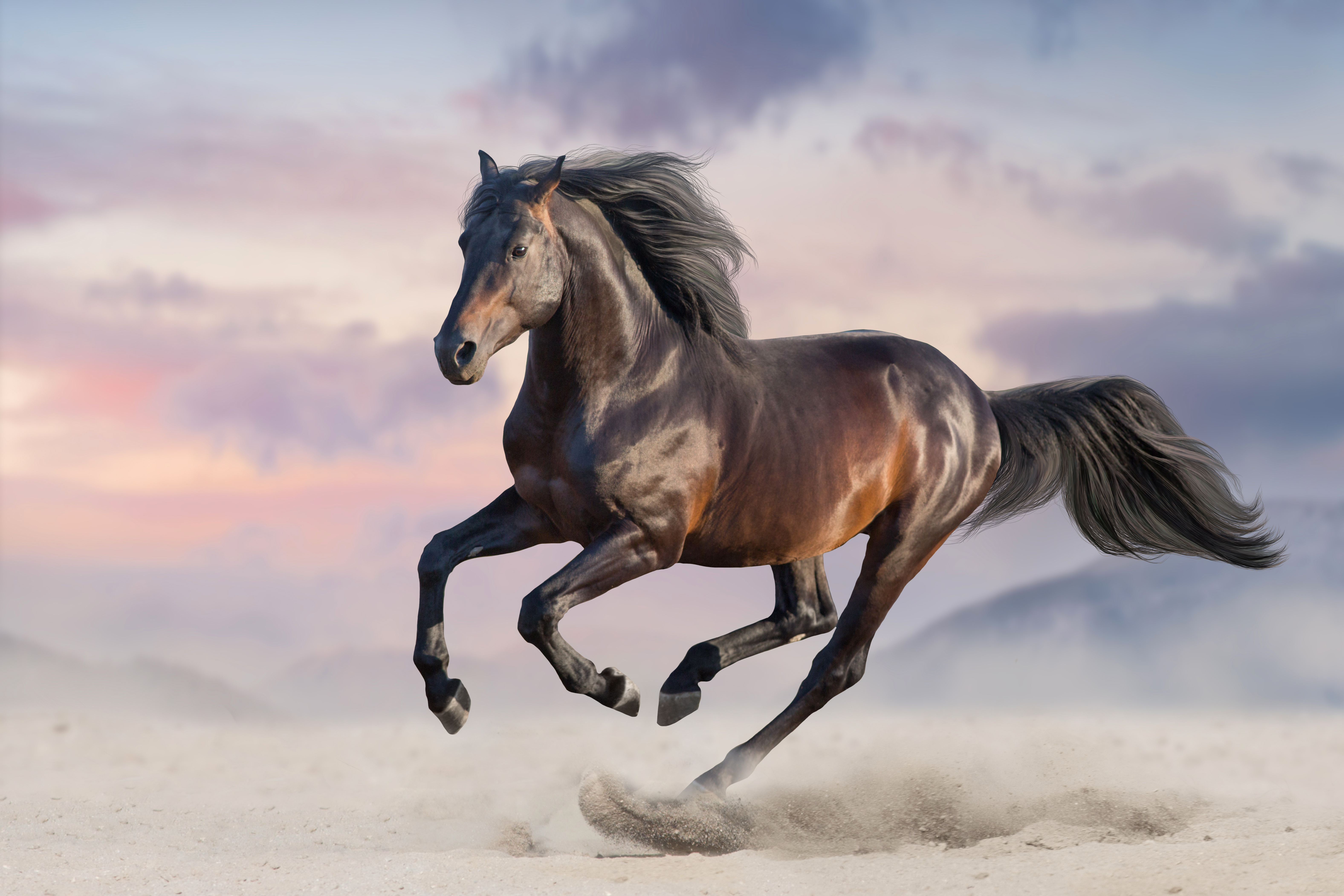
The Year of the Horse refers to the "Wu" year among the Earthly Branches, which occupies the seventh position. Among the twelve zodiac animals, it corresponds to the Horse, coming after the Year of the Snake and before the Year of the Goat.
Ancient China employed the Ganzhi (sexagenary) cycle, a combination of the Ten Heavenly Stems and the Twelve Earthly Branches, to mark years, months, and days, repeating once every 60 years. To make it easier for the people to remember, the ancients associated twelve animals (the Chinese zodiac) with the Earthly Branches, with the "Wu" branch corresponding to the "Horse."
Influence
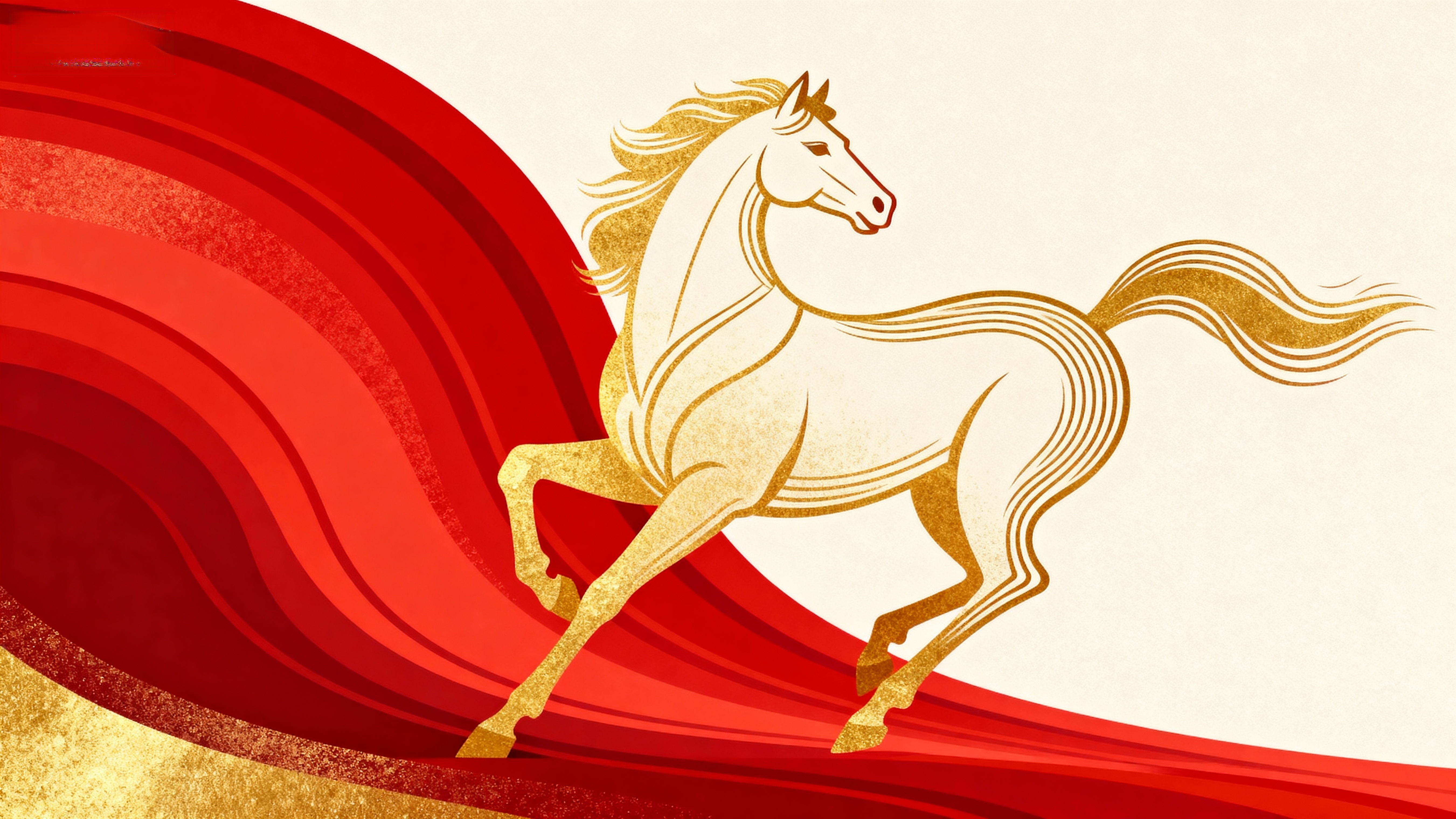
Since ancient times, horses have played an important role in warfare, agriculture, and commerce. In Chinese culture, the horse symbolizes strength, speed, and a spirit of initiative. It also holds a place in literature, idioms, and sayings, such as "mǎ dào chéng gōng" (meaning swift success), which is often used to express smooth progress and success.
The image of the horse has been celebrated by scholars and writers throughout history and frequently appears in work of art and cultural expression. As a cultural symbol, the horse is deeply connected to Chinese history, warfare, agriculture, and social change, and continues to influence the way Chinese work and live today.