
 English


 Published: November 27, 2025
 Editor: Qingyu
With the arrival of the ice-and-snow season, winter activities across the region ramp up, opening more possibilities for "ice and snow+" experiences. How did people in the past embrace winter? Which time-honored intangible cultural heritage practices are closely tied to ice and snow?
Intangible cultural heritage enhances winter journeys
Ice sculptures, snow carvings, winter fishing on frozen lakes, snow sleds, etc.—these are not only popular winter tourism experiences but also long-standing elements of intangible cultural heritage.
Ice and snow sculpture techniques
Heilongjiang
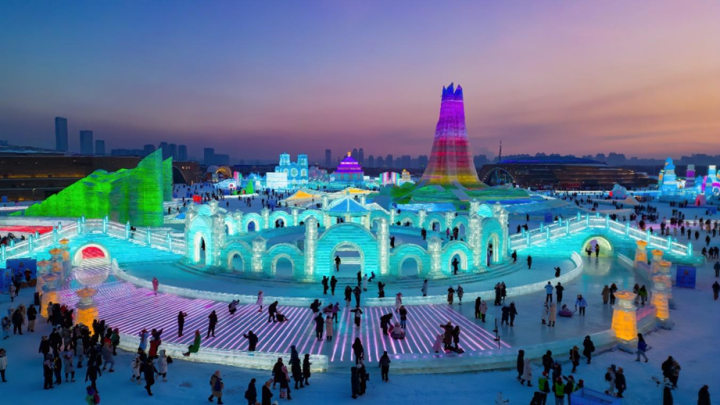
Happy travelers in Harbin Ice and Snow World
Photography courtesy of Harbin Ice and Snow World
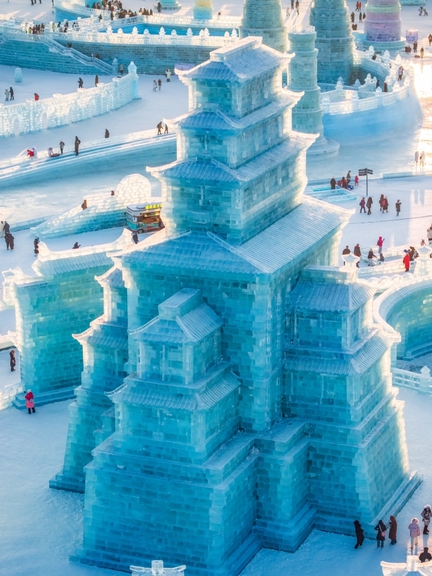
Ice and snow sculpture techniques are recognized as representatives of Heilongjiang provincial intangible cultural heritage. Ice carving emphasizes intricate craftsmanship, captivating with its crystal-clear beauty, while snow sculpture focuses on shaping forms, enchanting with its pure and rustic elegance.
Chagan Nur winter fishing tradition
Jilin
In Jilin, the Chagan Nur (Lake) winter fishing event is a highly anticipated annual event and the only "winter-exclusive" attraction among Jilin's Eight Scenic Views. Rituals like "worshiping the lake and awakening the nets," fish leaping on the frozen lake, and the auction of the first catch... The unique fishing culture has made Chagan Lake a must-visit winter tourism destination.
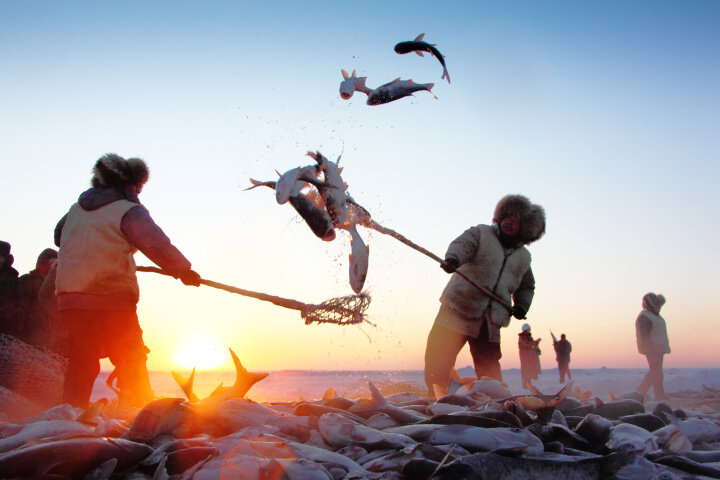
Chagan Lake winter fishing
Changbai Mountain Manchu Snow Sled Making Techniques
Jilin
In the past, sleds were the primary means of outdoor transportation for many ethnic groups in northern China. Today, experiencing this ancient snow vehicle in the pristine forests of Changbai Mountain is an unforgettable adventure.
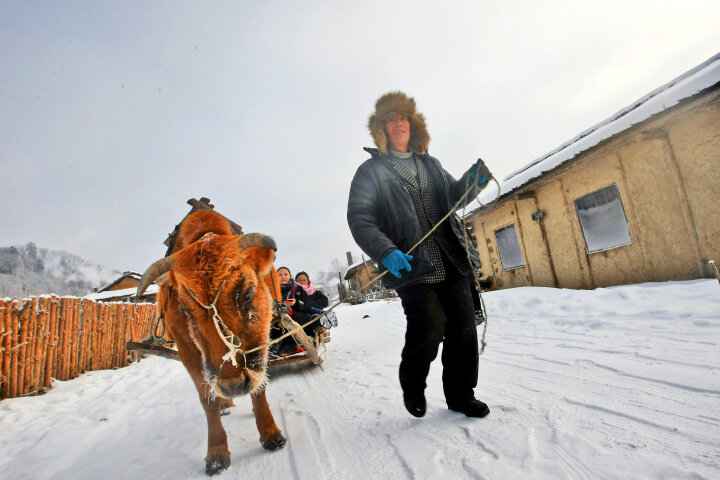
Tourists can ride an ox-drawn sled at Jinjiang Wooden Cabin Village
Old Beijing Ice Play (Bingxi)
Originating during the Qianlong Period (1736–1795), Ice Play ("Bingxi") was a distinctive ice sport of the Qing imperial court. In deep winter, visitors can explore sites such as Beihai Park, Shichahai, Yuanmingyuan Park, and the Summer Palace to witness Ice Play's pageantry. If fortunate, they may encounter performers wearing elaborate Eight Banners costumes.
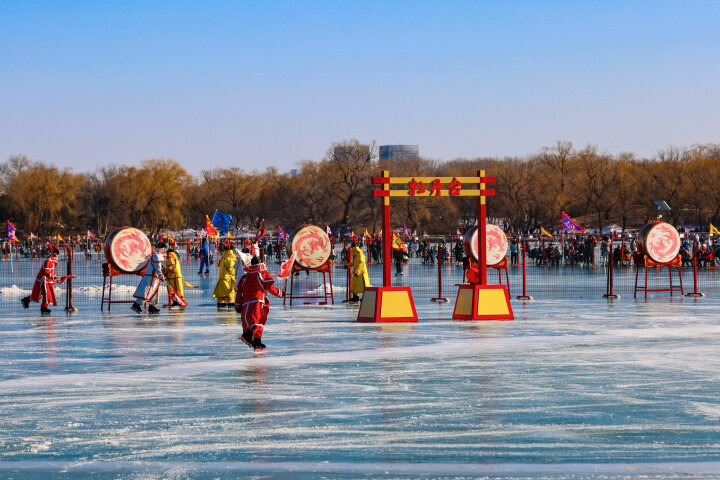
Performers in Manchu attire demonstrate "Bingxi" (ice play) on the frozen Fuhai Lake at Beijing's
Yuanmingyuan Park
Ice Arage
Inner Mongolia
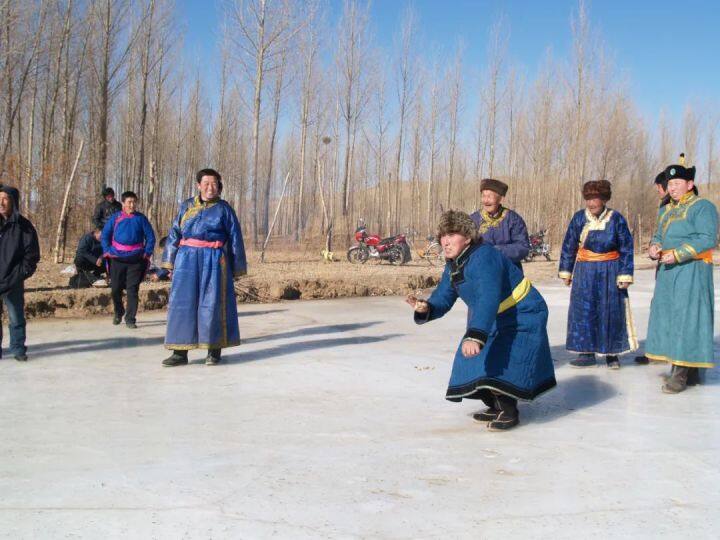
Ice Arage is a traditional Mongolian ice sport with a history stretching back thousands of years. Watching or taking part in an Ice Arage match lets you experience the entertainment and competitive spirit of Mongolian communities in the snowy wilderness.
Unlock more experiences
Watch intangible cultural heritage performances
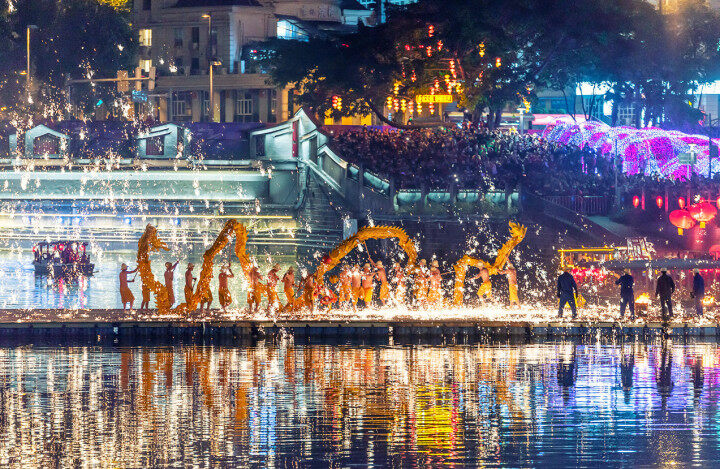
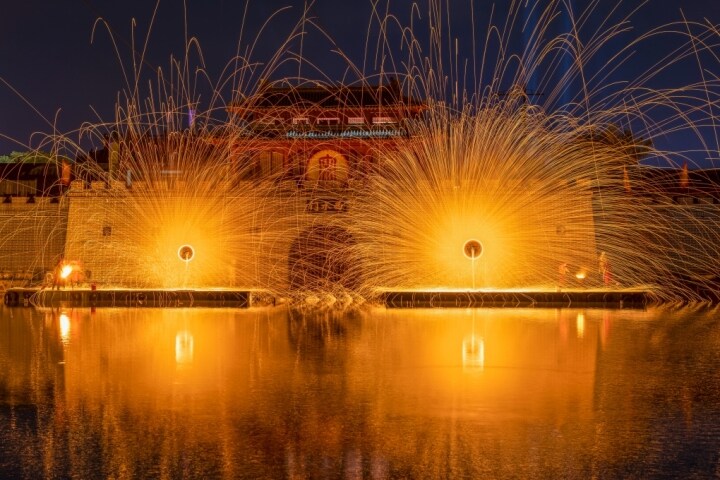
In the chill winds, witness flying molten iron, dancing fire dragons, graceful stilt walkers, and lively Yangko dances—each performance igniting the atmosphere with vibrant energy.
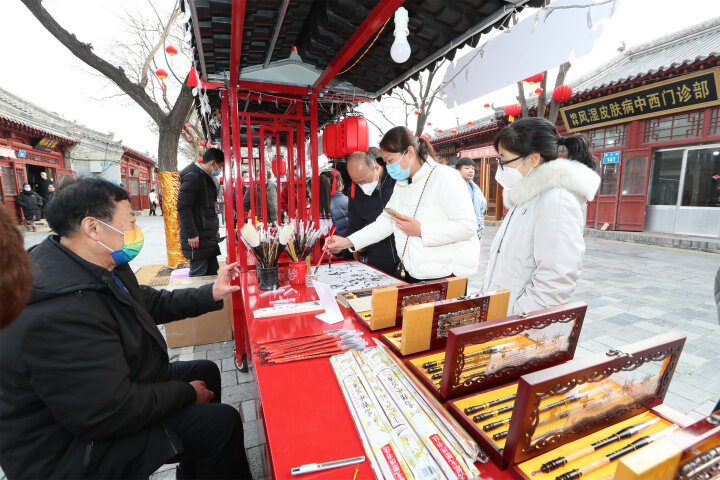
Stroll intangible cultural heritage markets
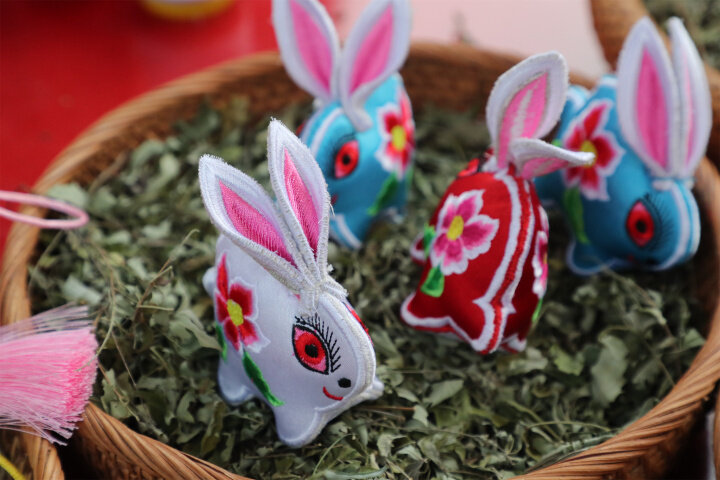
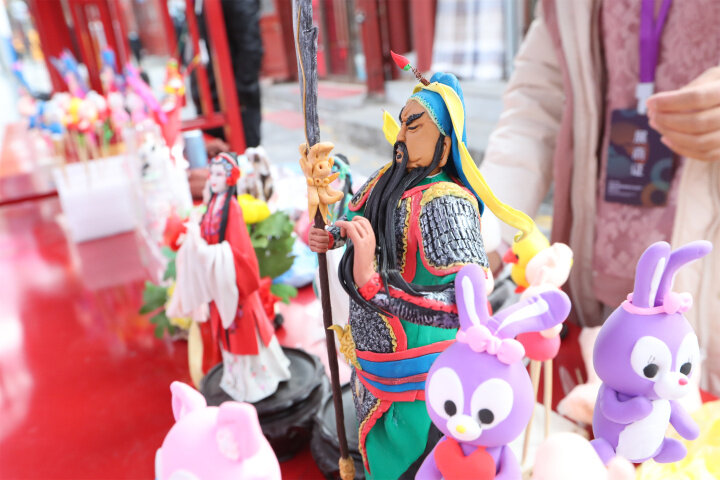
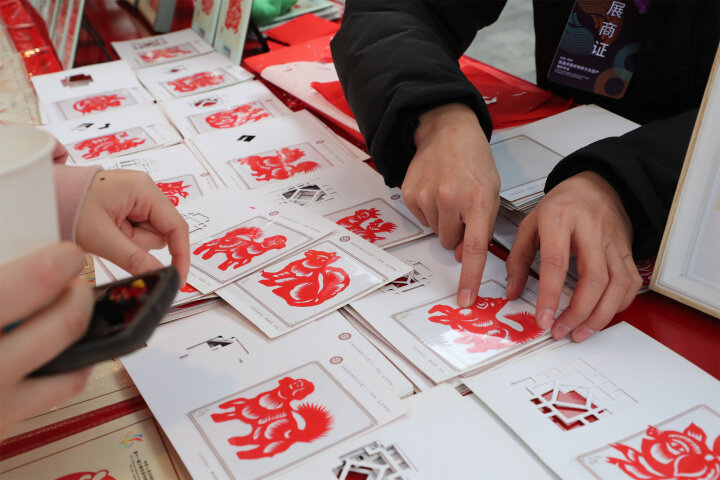
Toward year's end, bustling markets come to life. Discover intangible cultural heritage treasures such as dough figurines, sugar painting, traditional paper-cutting, and exquisite embroidery, and treat yourself to a cultural feast.
Buy intangible cultural heritage souvenirs
Inspired by ice and snow, artisans create unique cultural and creative products and handicrafts—lasting mementos of your journey.
Enchanting intangible cultural heritage
Makes your winter journey unforgettable
Let's embark together to unlock the charm of "Ice and Snow + Intangible Cultural Heritage!"