
 English

Cultural Immersion
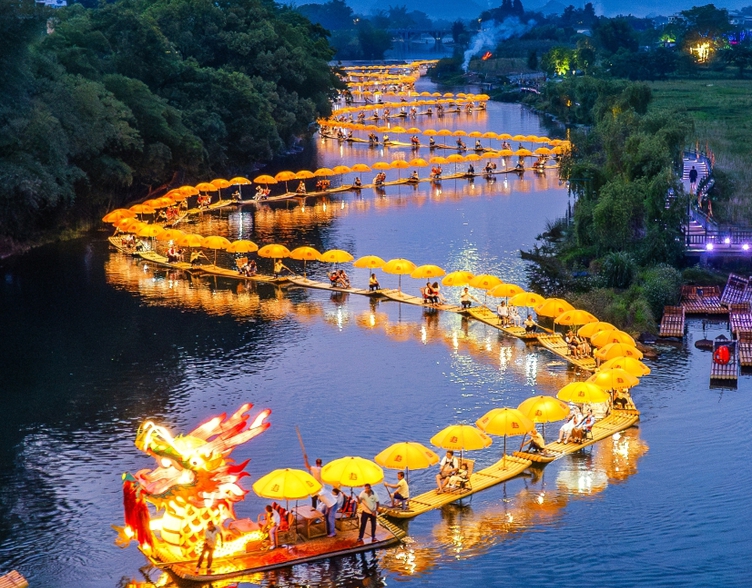
"Golden Dragon Parade" Welcomes the Spring Festival
On the evening when people bid farewell to the old year and welcome the new, a"golden dragon" rises on the water. At festive times, Yulong Village in Baisha town, Yangshuo county, Guilin, stages a grand Golden Dragon Parade. A signature folk event of Yangshuo, the Golden Dragon Parade embodies the characteristic nightscape of fishing boats aglow on the Lijiang River. As night falls, nearly a hundred bamboo rafts are linked end to end, their lights igniting in sequence to form a sinuous "gol
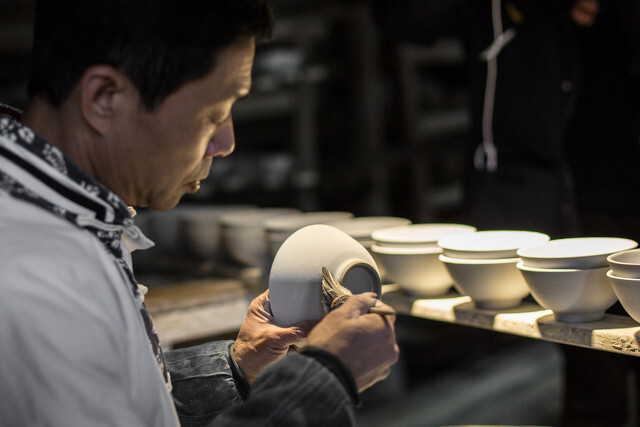
The Art of Porcelain-Making in Jingdezhen, Where a Millennium-Old Kiln Meets Global Creativity
Dubbed the "Porcelain Capital of China," Jingdezhen is globally celebrated for its unique porcelain, known for their distinct qualities: "as white as jade, as bright as a mirror, as thin as paper, and as resonant as a chime stone." Remarkably, the city preserves the complete 72-step traditional process of porcelain making, from raw material preparation to the final firing. In 2006, Jingdezhen's handcrafted porcelain techniques were inscribed on China's list of the first batch of Nation
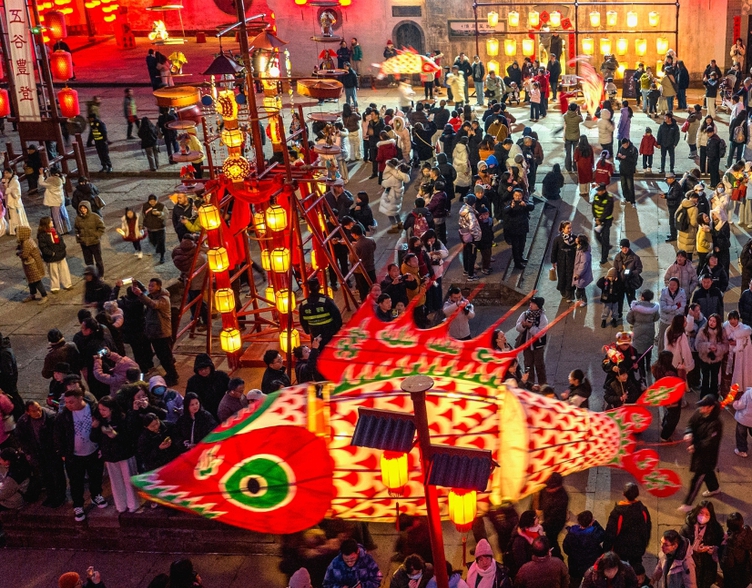
Fish Lantern Parade fills Chengkan village with holiday joy
As the Spring Festival approaches, Chengkan ancient village in Huizhou district is set to host its lively Fish Lantern Parade once again. This long-standing folk tradition draws visitors from near and far eager to experience it firsthand. Chengkan's Fish Lantern Parade dates back to the Ming Dynasty (1368–1644). In earlier times, villagers crafted lifelike, fish-shaped lanterns from bamboo frames and paper, parading them through the streets at night to pray for safety and peace. Because the Chinese

Datiehua—The Fiery Meteor Shower of the Night Sky
"Datiehua," which translates to "striking iron flowers," a spectacular folk art originating in the provinces of Henan and Shanxi in China, is an ancient tradition with a thousand-year history, tracing its roots back to the Northern Song Dynasty and flourishing during the Ming and Qing Dynasties. Initially conceived by blacksmiths for sacrificial rites, this unique craft involves casting molten iron into the night sky, creating a shower of sparks that resemble dazzling constellations, s
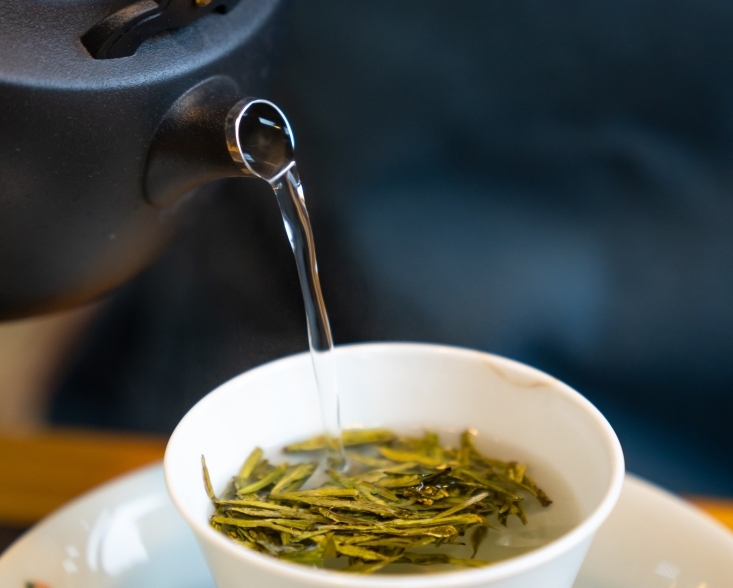
Hand-Picking and Processing of West Lake Longjing Tea—Jiangnan Spring at Your Fingertips
Cultivated in the hills surrounding Hangzhou's West Lake in Zhejiang Province, West Lake Longjing Tea (or Dragon Well Tea) is celebrated globally for its "Four Wonders": vibrant jade color, rich aroma, mellow sweetness, and exquisite shape. By engaging in every step—from picking fresh leaves to learning the craft of tea processing, and finally indulging in the ancient dian cha (tea-whisking) art rooted in Song Dynasty aesthetics—you gain deep insight into China's time-honored tea cul
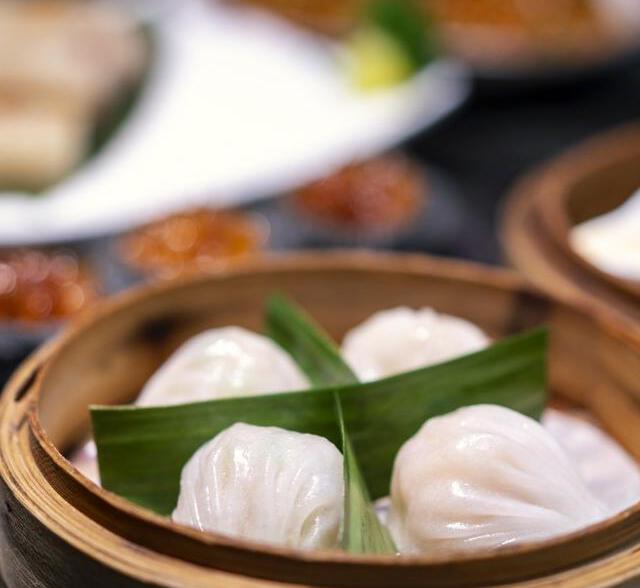
Yum Cha—"One Bowl with Two Pieces" and the Art of Lingnan Slow Living
In the Guangdong region, there is a unique culinary custom known as having morning tea. Far more than just a gastronomic event, it is a deeply embedded in the daily social ritual of local people, symbolizing the Cantonese people's characteristic philosophy of buoyant optimism and broad tolerance. What began as the minimalist standard of "one bowl with two pieces"—meaning a bowl of tea with two servings of dim sum to complement the tea—has undergone a dramatic transformation. The tea
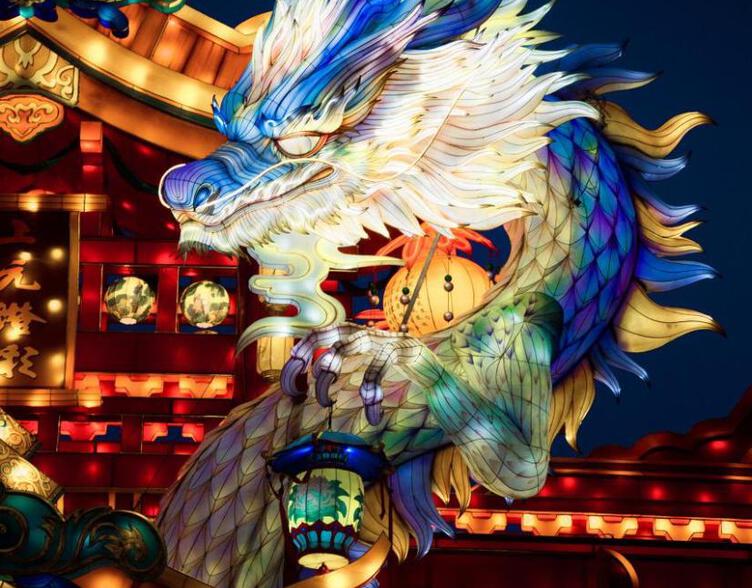
The Qinhuai Lantern Festival—World's Number One Lantern Festival
The Qinhuai Lantern Festival, also known as the Jinling Lantern Festival, is a celebrated traditional folk event native to the Nanjing area, hailed as the "World's Number One Lantern Festival." This millennium-old folk celebration artfully blends lantern art, Confucian culture, and the distinctive charm of the Qinhuai area, establishing it as one of the most iconic Chinese New Year traditions in the Jiangnan region. Its cultural significance was officially recognized in 2006 when it was inscribe
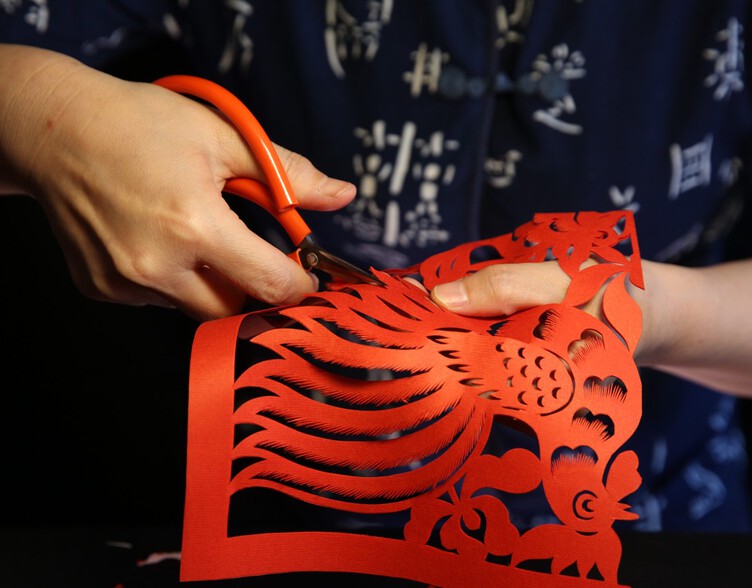
Chinese Paper-Cut, Where Scissors Meet Imagination
Chinese paper-cut, an intricate folk art, involves using scissors or an engraving knife to meticulously carve patterns into paper. This craft boasts a long and rich history in China, imbued with profound cultural significance, and is frequently employed for festive decorations and ceremonial occasions. Recognizing its value, UNESCO inscribed Chinese paper-cut on the Representative List of the Intangible Cultural Heritage of Humanity in 2009. What to Expect Unlock the Meaning of Auspicious Motifs: Delve in
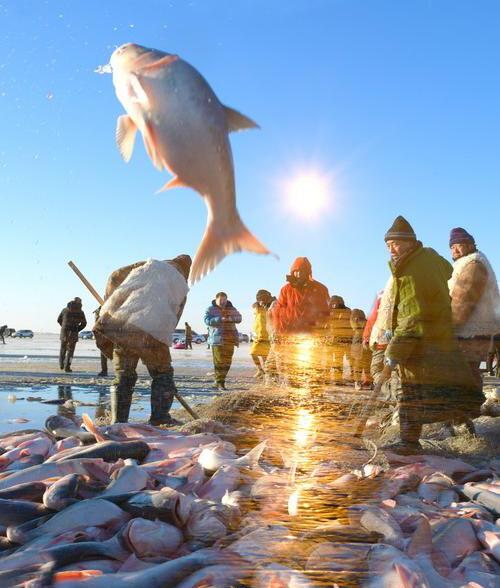
Chagan Lake Winter Fishing—A Legendary Ice Hunt
Flourishing in Qian Gorlos Mongol Autonomous County, Songyuan City, Jilin Province, the Chagan Lake Winter Fishing is a time-honored tradition of fisheries production that faithfully retains original techniques like drilling holes in the ice for net placement and employing horse-drawn winches. This ancient custom not only exemplifies the aquatic hunting culture of the Mongols, who historically settled by water, but also highlights an enduring ecological intelligence—the art of living in harmony with
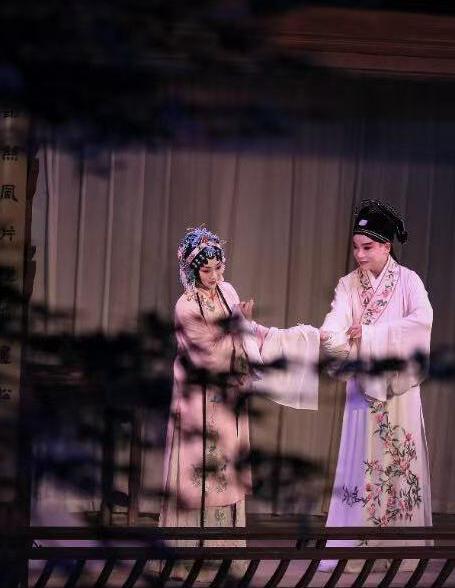
Kunqu Opera — The "Ancestor of a Hundred Operas"
Originating in the area surrounding Kunshan, Suzhou, Kunqu Opera stands as one of China's most ancient operatic styles. It is a comprehensive art form that integrates literature, music, dance, and drama, renowned globally for its sophisticated lyrics, mellifluous vocal delivery, and subtle, intricate performances. Affectionately termed the "Ancestor of a Hundred Operas," Kunqu was recognized by UNESCO in 2001, when it was proclaimed one of the first batch of the "Masterpieces of the Oral an