
 English

Millennial Civilization
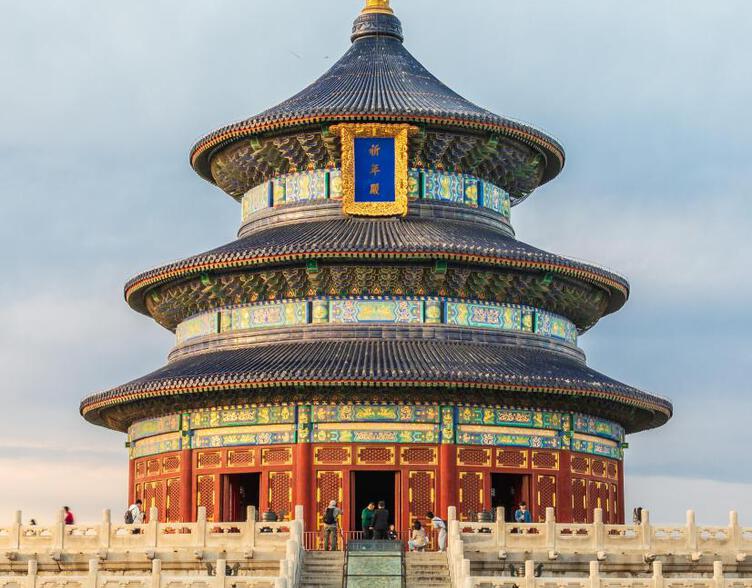
Temple of Heaven - Beijing’s Imperial Altar Complex
The Temple of Heaven (Tiantan)served as the sacred site where the emperors of the Ming and Qing dynasties offered sacrifices to Heaven and prayed for abundant harvests. Its layout and construction embody the pinnacle of architectural skill and artistic achievement in imperial China. Today, Tiantan Park spans 201 hectares, encompassing not only its iconic historic structures, such as the Hall of Prayer for Good Harvests and the Circular Mound Altar, but also a variety of scenic features, including long cor
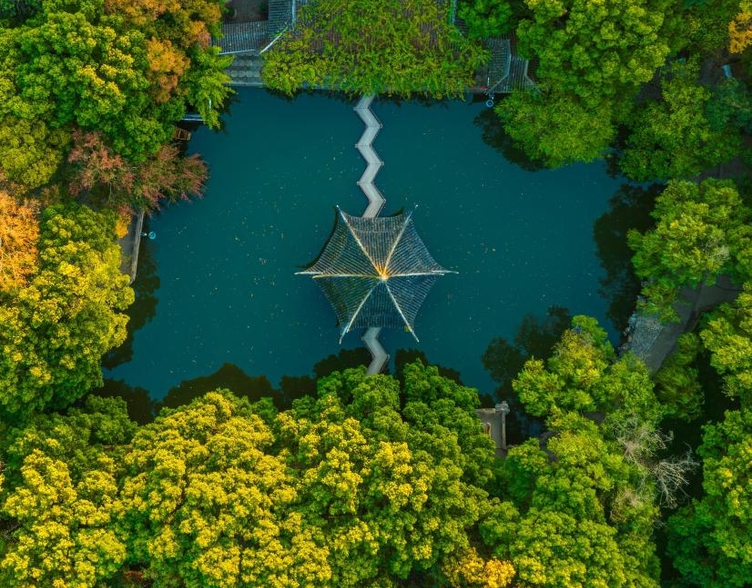
Classical Gardens of Suzhou, Where Chinese Landscape Architecture Meets Poetic Art
The classical gardens of Suzhou date back to the 6th century BCE. Inspired by these royal hunting gardens built by the King of the State of Wu, private gardens began emerging around the 4th century and finally reached the climax in the 18th century. Today, more than 50 of these gardens are still in existence, nine of which were inscribed on the UNESCO World Heritage List. Operating within constrained spaces, generations of architects of these gardens skillfully simulated nature by adapting to local condit
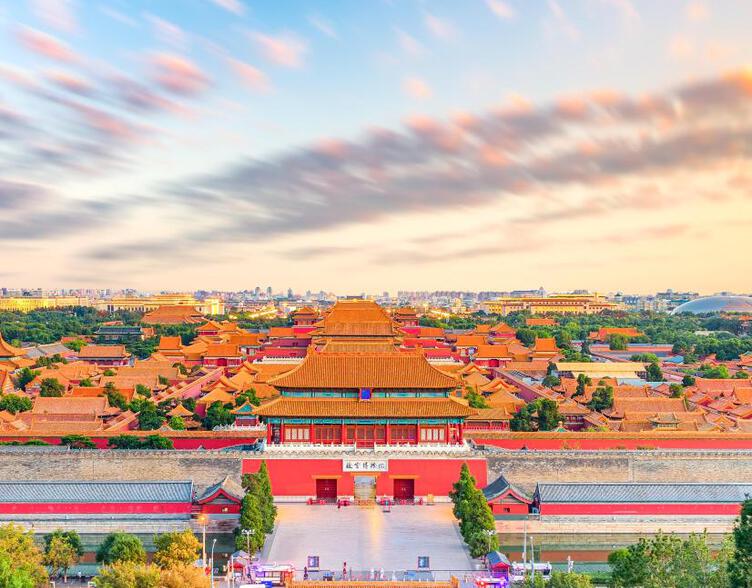
The Forbidden City in Beijing—The World’s Largest and Best-preserved Wooden-framed Historical Palace Complex
The Forbidden City is located at the heart of Beijing. Completed in 1420, it was the imperial palace during the Ming and Qing dynasties, home and seat of power to 24 emperors. It stands as the only surviving example and pinnacle of the Chinese palatial city, exemplifying traditional Chinese urban and palace construction principles, including axial alignment, central symmetry, and the clear functional division between the outer court for state affairs and the inner court as living quarters. The Palace Muse
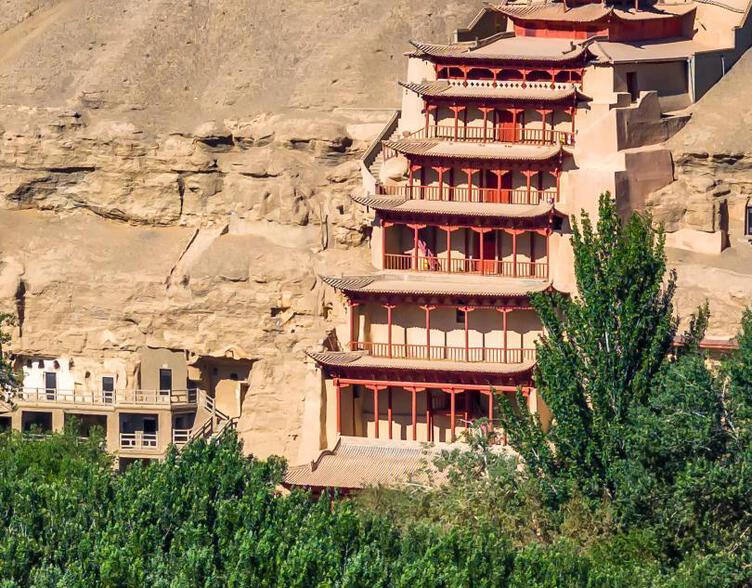
Dunhuang Mogao Grottoes—A Desert Treasury of Art
Situated on the cliff face at the eastern foot of Mingsha Mountain, about 25 kilometers southeast of Dunhuang, Gansu Province, the Mogao Grottoes trace their origins to 366 CE and were continuously constructed over more than a millennium. Located at a crucial juncture of the Silk Road, the site served not only as a vital hub for East-West trade but also as a nexus where religions, cultures, and knowledge converged. The grottoes are celebrated worldwide for their magnificent painted clay sculptures and mur
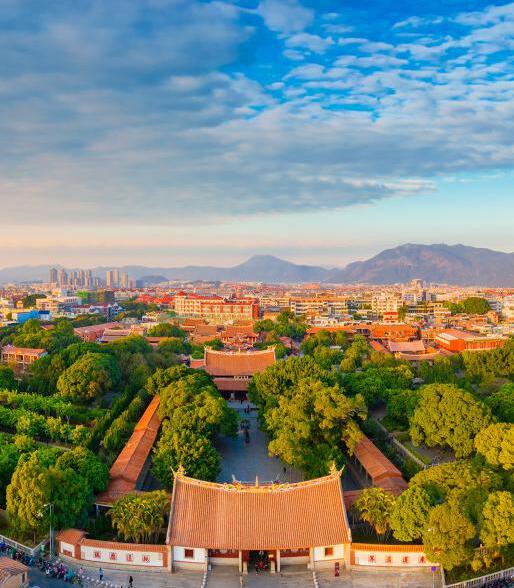
Quanzhou: Emporium of the World in Song-Yuan China The Window of Cultural Dialogue Between China and the World
Quanzhou was one of the starting points of the Maritime Silk Road. From the 10th to the 14th century, it flourished through vibrant international maritime trade, becoming a bustling hub where merchants from many lands converged and diverse cultures interacted, earning it the reputation as the “Largest Oriental Port” of its age. “Quanzhou: Emporium of the World in Song-Yuan China” comprises a series of cultural properties which date back to that period and still shine. These sites a
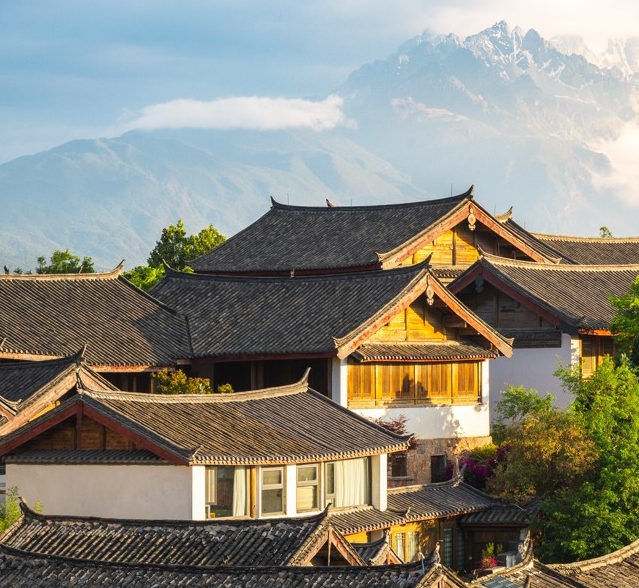
The Old Town Below the Snow Mountain — The Old Town of Lijiang
The Old Town of Lijiang is located in Lijiang City in the northwest of Yunnan Province. Built in the late Song and early Yuan dynasties and flourished during the Ming and Qing dynasties, it boasts a long history. Situated at the foot of Yulong Snow Mountain, the old town consists of three areas: Dayan Old Town (including the Black Dragon Pool Scenic Area), the Baisha Residential Complex, and the Shuhe Residential Complex. Covering a total area of 7.28 square kilometers at an elevation of 2,416 meters, the
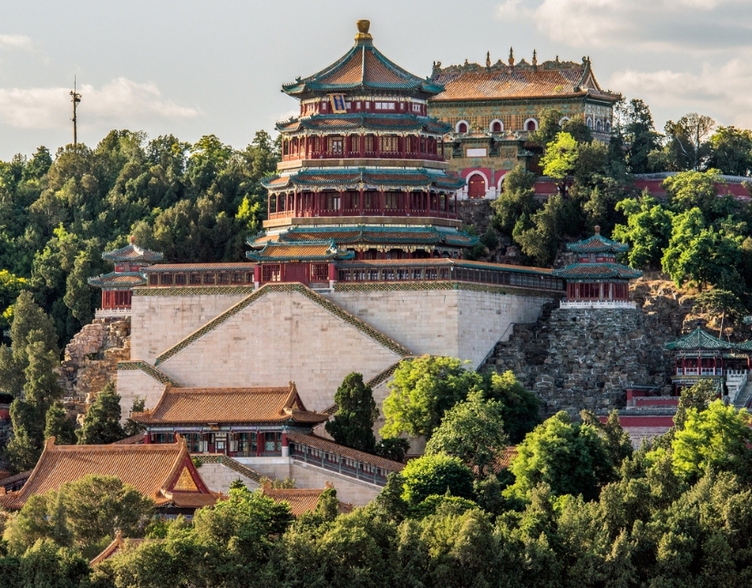
Beijing's Imperial Garden — The Summer Palace
The Summer Palace is located in the northwest of Beijing. First built in 1750, it is a large imperial garden centered on Longevity Hill, Kunming Lake, and numerous palace structures, and is one of the "Three Hills and Five Gardens" of the Qing Dynasty. The complex covers a total area of approximately 300.8 hectares. It preserves about 7 hectares of various palaces and ancient garden architecture, houses more than 40,000 cultural relics, and is home to over 2,000 ancient and notable trees. The Su
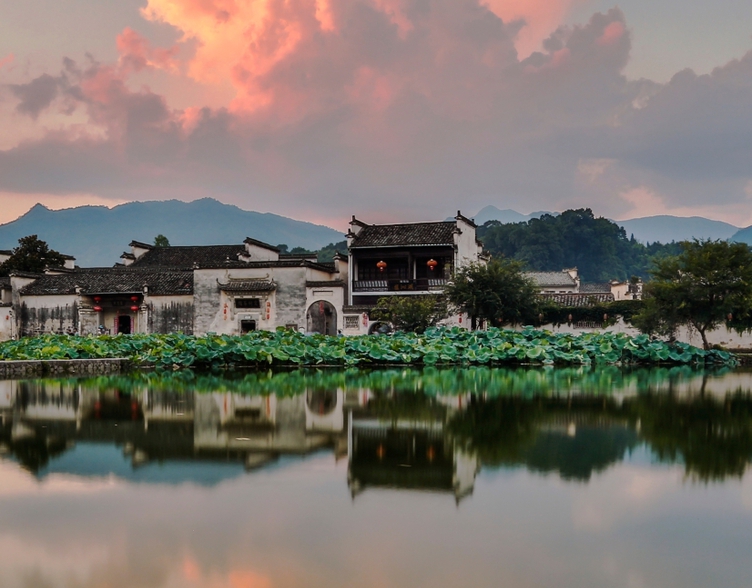
Anhui's Hongcun: A Village Seemingly Lifted from a Traditional Chinese Painting
Hongcun village sits in Yixian county, Huangshan city, Anhui province. Founded during the Shaoxing Period of the Southern Song Dynasty, it is celebrated as "a village seemingly lifted from a traditional Chinese painting." In 2000, Hongcun was inscribed on the UNESCO World Cultural Heritage list. Autumn scenery of Hongcun The village's overall layout resembles an ox: Leigang Hill forms the head; two ancient trees at the entrance serve as the horns; Moon Pond is the ox's stomach; South Lake is the
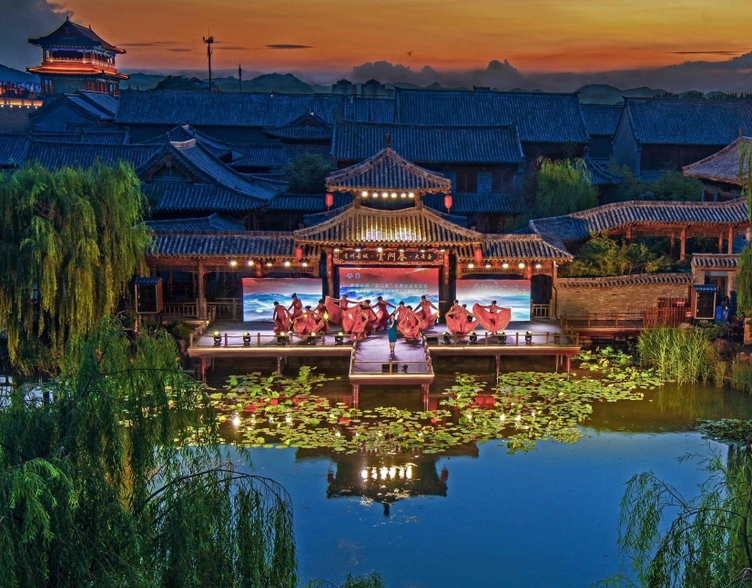
Tracing the Echoes of the Past in Qingzhou Ancient City
The beauty of Qingzhou Ancient City lies in the very texture of its bricks and tiles, quietly infused with history. With an urban development history spanning more than 2,200 years, Qingzhou stands as a living testament to China’s enduring civilization. ("Celebrating the Chinese New Year in the Ancient City", image: the scenic area) Qingzhou Ancient City encompasses three major historic districts: the Beiguan Historical and Cultural District of Dongyang City, the Ouyuan Historical and Cult
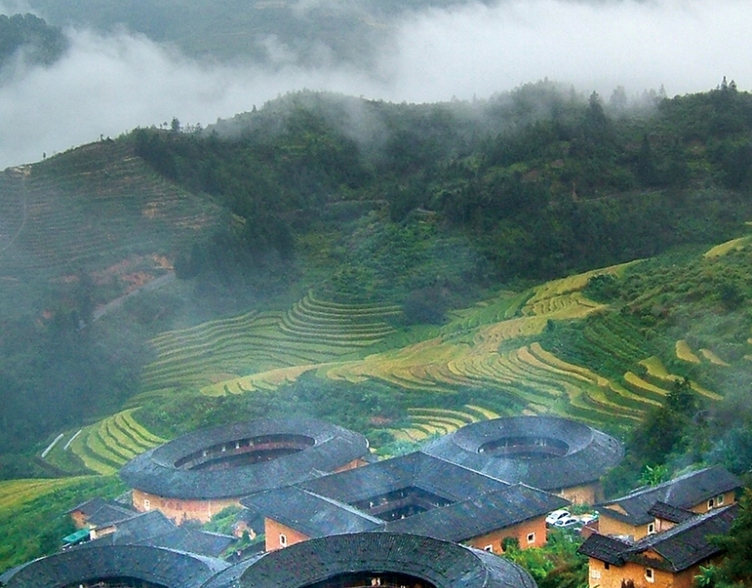
Fujian Tulou (Nanjing) Scenic Area: A World Within Squares and Circles
The Fujian Tulou (Nanjing) Scenic Area is located in Shuyang Town and Meilin Town, Nanjing County, Zhangzhou City, Fujian Province. It comprises three major attractions, the Tianluokeng Scenic Area, Yunshuiyao Scenic Area, and Hekeng Folk Culture Village. Renowned for its picturesque landscapes and profound cultural heritage, the area seamlessly integrates history, folk traditions, and architecture, making it an ideal destination for cultural exploration and leisure travel. Located in Shuyang Town, the Ti