
 English

Little-known Facts About China’s Cultural and Natural Heritage: How Many Do You Know?

How long is the Great Wall of China?
Q: How long is the Great Wall of China? A: 21,196.18 kilometers. In November 2016, China’s National Cultural Heritage Administration released the Regulations on the protection of the Great Wall, officially revealing for the first time the total length of the Great Wall’s walls, trenches, and natural defenses - 21,196.18 kilometers. Remains of the Great Wall from different dynasties are spread across 15 provinces and regions, covering 404 counties and cities, including Beijing, Hebei, and Shanx
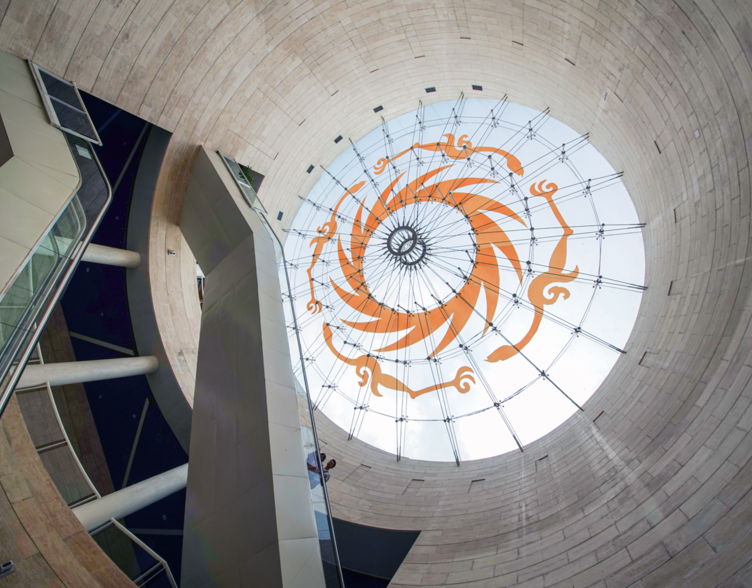
What is the design inspiration for China’s Cultural Heritage emblem?
Q: What is the design inspiration for China’s Cultural Heritage emblem? A: The sun and immortal birds gold ornament. Unearthed at the Jinsha Site in Chengdu, the sun and immortal birds gold ornament reflects the ancient Shu people’s reverence for light and the sun. In 2005, it was selected from more than 1,600 design proposals to become the official emblem of China’s Cultural Heritage.
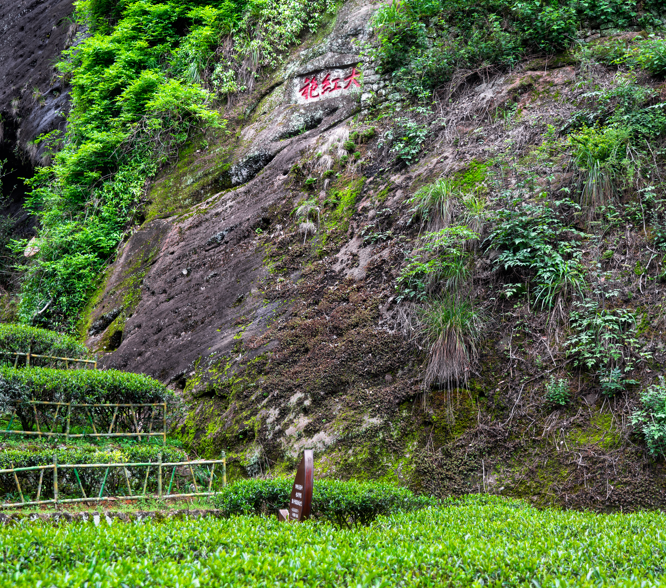
Is Wuyi Mountain Da Hong Pao (Big Red Robe) a black tea?
Q: Is Wuyi Mountain Da Hong Pao (Big Red Robe) a black tea? A: No, it is an oolong tea. Da Hong Pao belongs to Wuyi Rock Tea (Yancha), a premium type of oolong tea grown in Wuyi Mountain, a UNESCO World Cultural and Natural Heritage Site. Known for its rich aroma and lingering elegance, it is highly prized by tea connoisseurs.
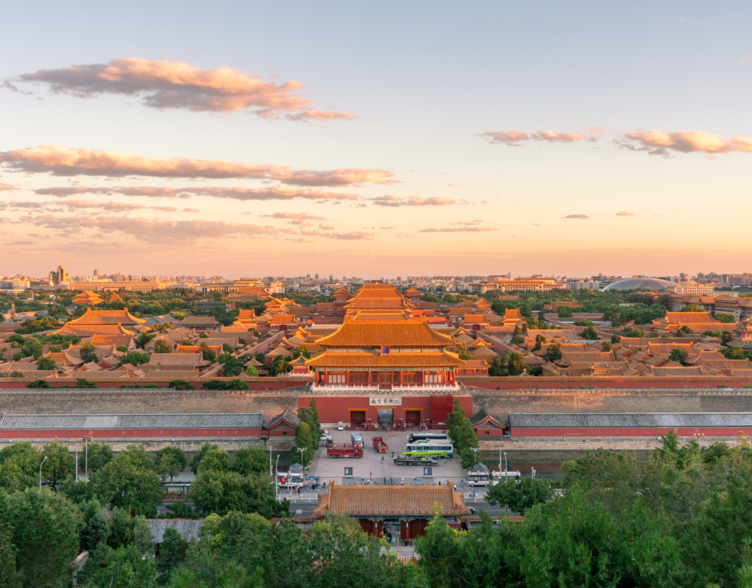
How many rooms are there in the Forbidden City?
Q: How many rooms are there in the Forbidden City? A: 9,371 rooms. The Palace Museum manages a total of 9,371 historic rooms, including 8,728 rooms within the Forbidden City and 643 rooms in surrounding structures such as Duanmen Gate (the Gate of Uprightness), the Dagaoxuan Temple, and former imperial offices.
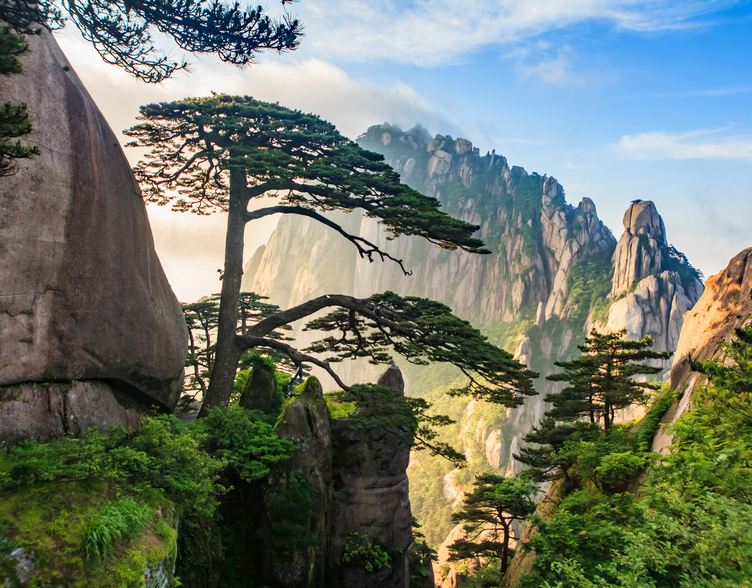
How old is Mount Huangshan’s Welcoming Pine?
Q: How old is Mount Huangshan’s Welcoming Pine? A: About 1,000 years old Measurements show that the Welcoming Pine stands 10.2 meters tall, with a trunk circumference of 2.16 meters. Its two iconic branches extend 9.6 meters outward like open arms. Estimated to be around 1,000 years old, it is listed as a national first-class protected ancient tree.
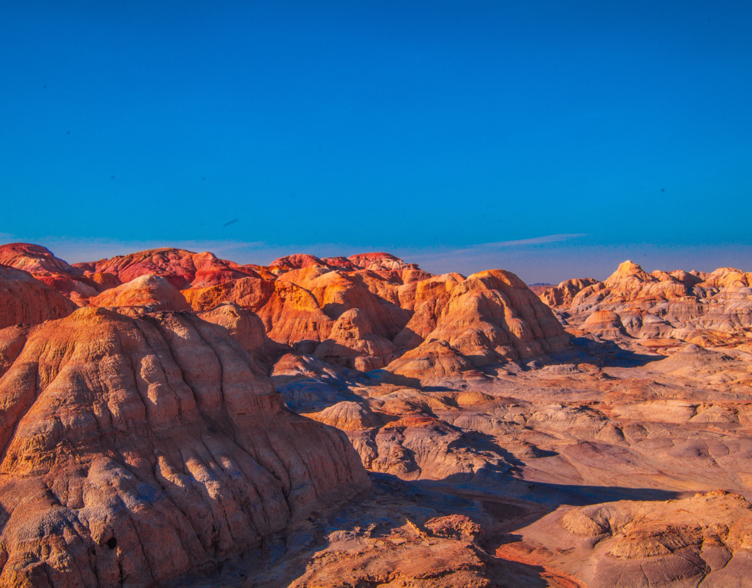
How are Yardang landforms formed?
Q: How are Yardang landforms formed? A: By wind erosion. Yardang landforms are sculpted by long-term wind erosion, creating parallel ridges and grooves. In China, they cover more than 20,000 square kilometers. Their dramatic, otherworldly shapes, combined with eerie wind sounds, have earned them the nickname "Devil Cities".
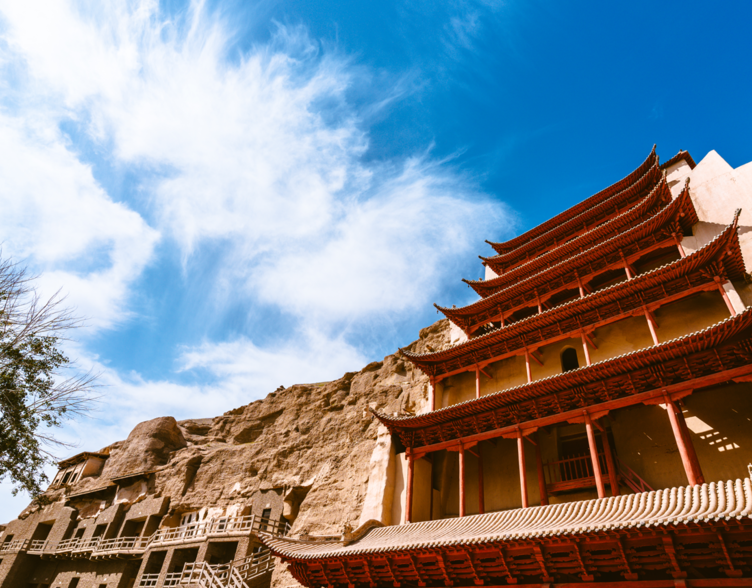
Are the Dunhuang Flying Apsaras (Feitian) male or female?
Q: Are the Dunhuang Flying Apsaras (Feitian) male or female? A: They have no fixed gender. Flying Apsaras (Feitian) are celestial beings who glide through the heavens of Buddhist realms, also known as Gandharvas and Kinnaras. In the Northern Liang period, they were often depicted as male. By the Tang Dynasty, however, most were portrayed as graceful, richly dressed female figures with flowing postures.
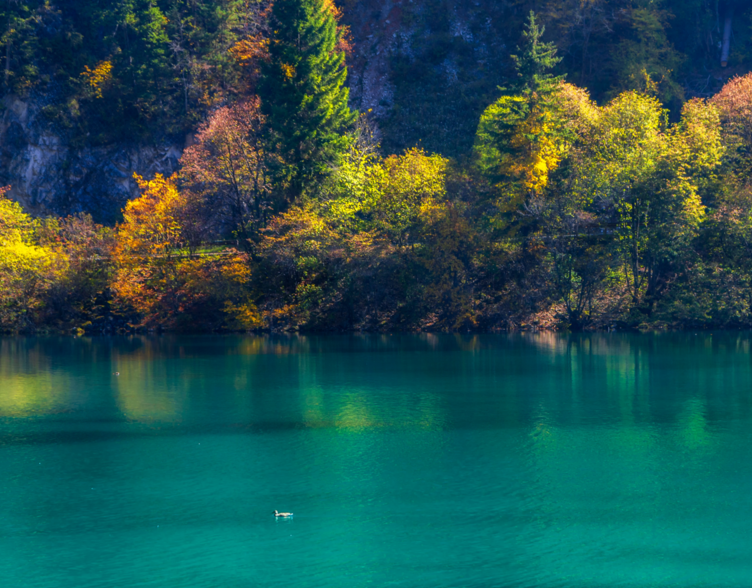
Why is the water in Jiuzhaigou blue and green?
Q: Why is the water in Jiuzhaigou blue and green? A: Selective reflection and scattering of light by Travertine granules. Jiuzhaigou’s lakes contain large quantities of Travertine granules, which strongly reflect and scatter shorter wavelengths of light, especially blue and green. Lake depth and the exceptional clarity of the water also contribute to its stunning colors.
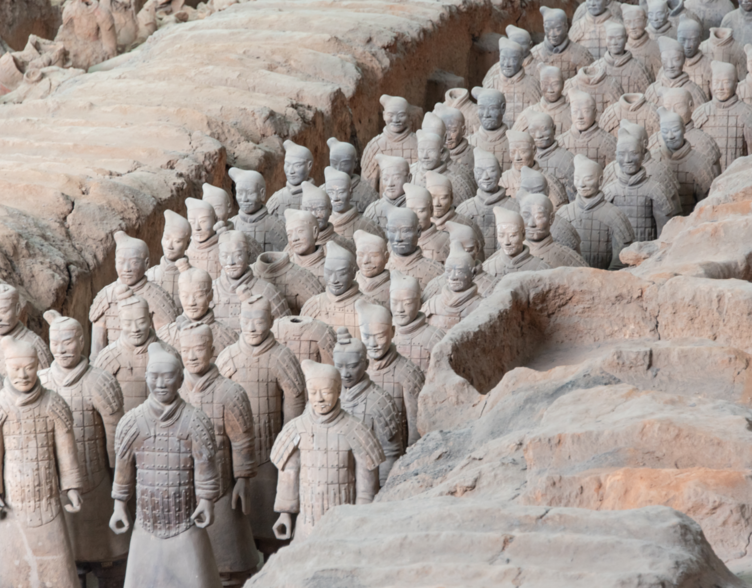
Were the Terracotta Warriors originally painted?
Q: Were the Terracotta Warriors originally painted? A: Yes, all of them were once brightly colored. Each Terracotta Warrior was originally painted in vivid hues such as red, purple, pink, and green. After more than 2,000 years underground, the pigments begin to deteriorate within 15 seconds of excavation and can flake off completely within four minutes. Thanks to advances in conservation technology, colors can now be preserved for over ten years.