
 English

Intangible Cultural Heritage
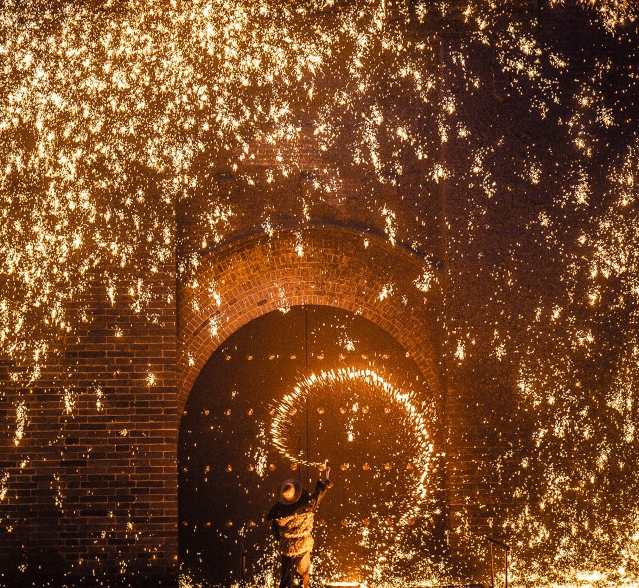
Yuxian County Dashuhua in Hebei
The Yuxian County Dashuhua (striking iron flowers), also known as "fire trees and golden flowers", originated and spread in the Nuanquan area of Yuxian County, Hebei Province. It began in the mid-Ming Dynasty and has a history of more than 500 years. It is a traditional folk performance held during the Lantern Festival. In 2021, Yuxian County Dashuhua was included in the fifth representative list of national intangible cultural heritage. Dashuhua performance In ancient times, due to war and the
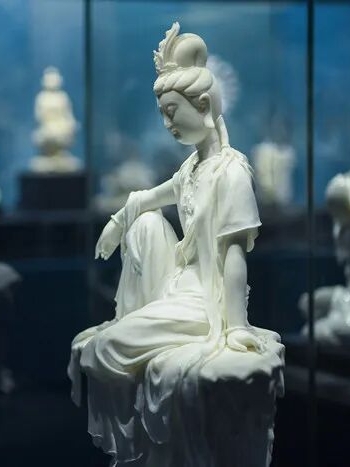
Dehua Porcelain Firing Technique: The Dazzling "Blanc de Chine" That Amazed the World
Dehua County in FujianProvince, known as a "thousand-year-old county", is famed for its fine kaolin clay, from which its world-renowned white porcelain is made. Dehua ceramics are crafted using traditional techniques such as pinching, molding, and carving. The finished pieces are white as snow, bright as a mirror, thin as paper, and resonant like a chime, earning Dehua the title of "Mother of World White Porcelain". As the saying goes, "the world's finest white porcelain is in Chi
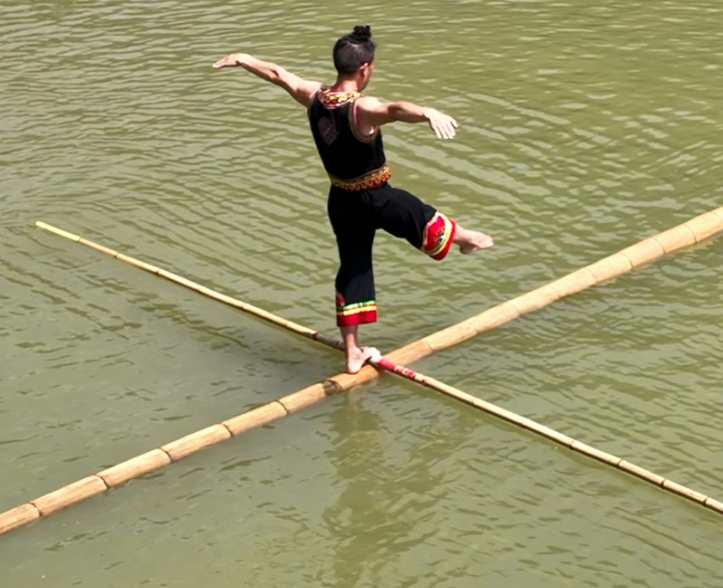
Single-Bamboo Drifting
A performer stands atop a single moso bamboo, paddling freely across the river with a bamboo pole, moving as effortlessly as if on solid ground. This is not a scene from a martial arts drama, but a unique folk stunt from northern Guizhou that originated in the Chishui River basin—Single-Bamboo Drifting. Commonly known as "bamboo pole paddling," and also called "single-bamboo boat," Single-Bamboo Drifting was originally a local means of water transport. Over time, it gradually evo
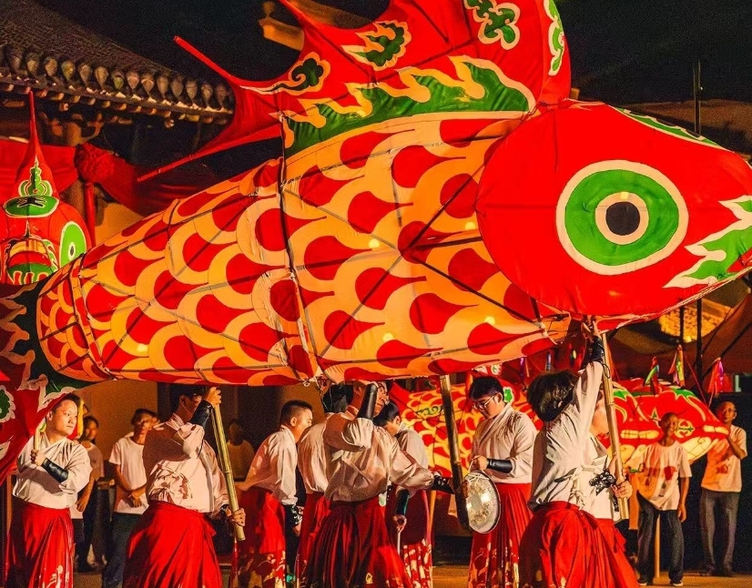
Visit the Ancient City and Become a "Fish Chaser" for a Day
Fish lanterns are traditional Chinese folk dance props. Their frames are usually crafted from bamboo strips, covered with cotton paper or white cloth painted with fish-scale patterns, and fitted with candles or LED lights inside. They consist of three parts: head, body, and tail, which can rotate. Common forms include carp and mandarin fish. During performances, they move in routines such as "carp swinging its tail" and "fish leaping over the dragon gate." The name is a homophone for &
Bouyei Eight-Tone Sitting Singing
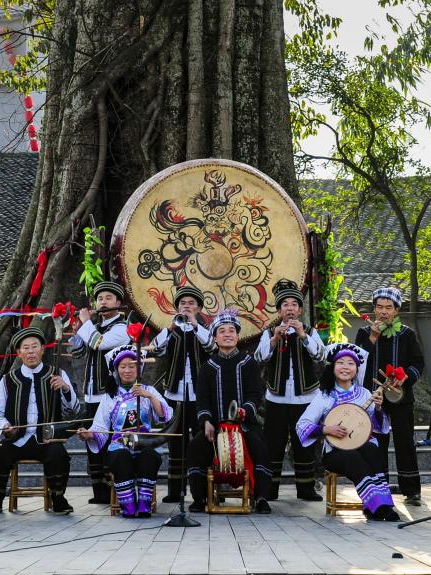
Bouyei Eight-Tone Sitting Singing, also known as "Bouyei Eight-Tone," is a form of folk narrative singing passed down through generations of the Bouyei ethnic group. For centuries, it has been preserved and practiced in villages throughout the Nanpan River basin and has been praised as "a peerless echo of the human world, music of heavenly beauty," "a living fossil of sound," and "an artistic pearl along the Nanpan River." The Bouyei Eight-Tone Ensemble of Xingyi Ci
Yangliuqing Woodblock New Year Paintings: A Festive Scroll of Time
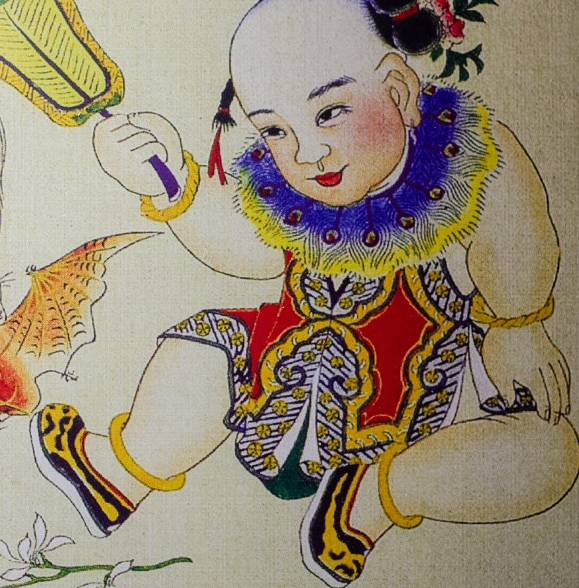
Among Tianjin's many folk arts, the most representative is the Yangliuqing Woodblock New Year Paintings. Yangliuqing Woodblock New Year Paintings originated in the thousand-year-old Yangliuqing Town. During the Yongle reign of the Ming dynasty, the opening of the Beijing–Hangzhou Grand Canal and the rise of Tianjin's grain transport trade turned Yangliuqing into a major hub for north–south commodities, bringing rapid economic prosperity. Woodblock painting artisans from surrounding areas gradu
Visit Zigong and Experience an Everlasting World of Lantern Lights
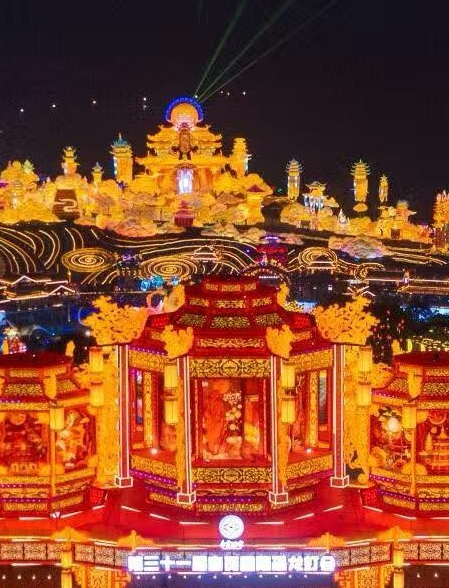
The Zigong Lantern Festival originated during the Tang and Song dynasties and was inscribed on the representative list of State-level intangible cultural heritage items in 2008. This traditional folk celebration combines lantern craftsmanship, traditional stories, and modern technology, creating a festival culture with unique characteristics. The Zigong Lantern Festival is most famous for its stunning lantern displays during the Chinese New Year period, which include a variety of lantern types such as cra
A Cup of Tea from Majestic Mountains and Clear Waters — Savoring the Rock Aroma and Floral Fragrance of Wuyi Tea
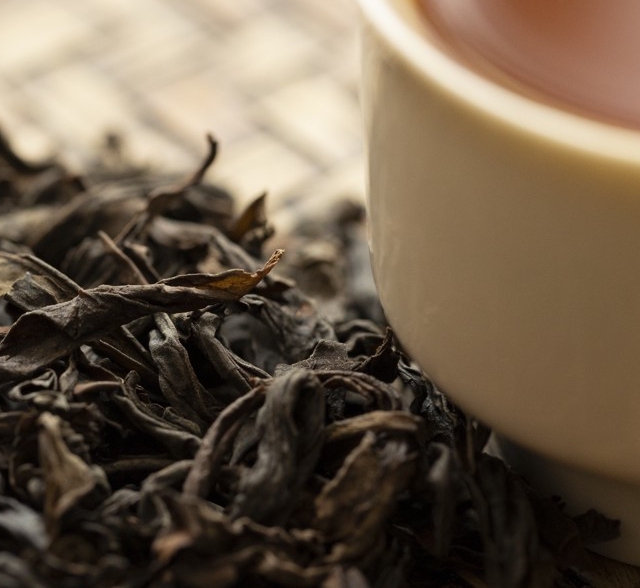
The beauty of Wuyi lies in its "Nine-bend River, thirty-six marvelous peaks, seventy-two caves, and ninety-nine cliffs". And among all the wonders and charms that gather in this landscape, none embodies it more completely than the Rock Tea. Mount Wuyi is the birthplace of Rock Tea. The production of Wuyi Rock Tea can be traced back to the Han Dynasty. Over generations of development, the refined craft of making Rock Tea took shape in the early Qing Dynasty. The distinctive "rock bone and fl
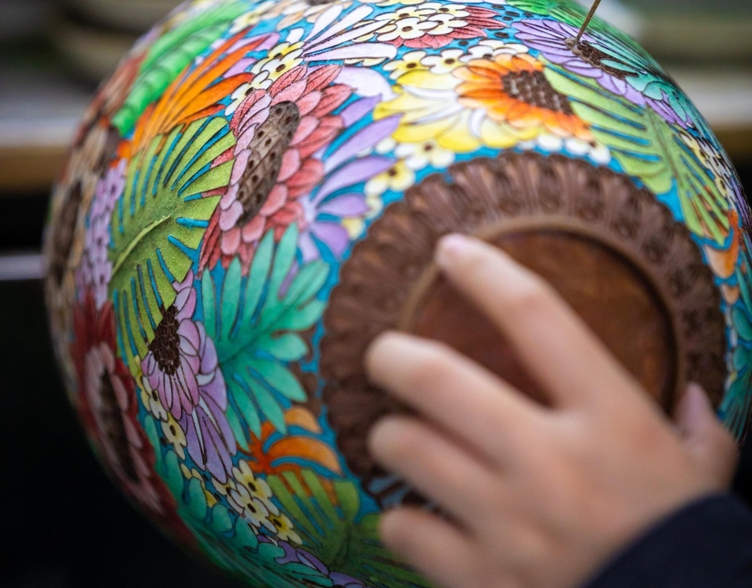
Discover This Touch of Chinese "Blue" — The Cloisonné Enameling Technique of Beijing
Cloisonné, also known as "copper-body filigree enamel", flourished during the Jingtai Period of the Ming Dynasty. As its enamel glazes were predominantly blue, the craft later became known as "Jingtai Blue". In 2006, the cloisonné enameling technique was included in the first National Intangible Cultural Heritage List. Beijing Cloisonné Artwork Creating a piece of cloisonné requires seven major steps: design, forming the copper body, filigree inlay, applying
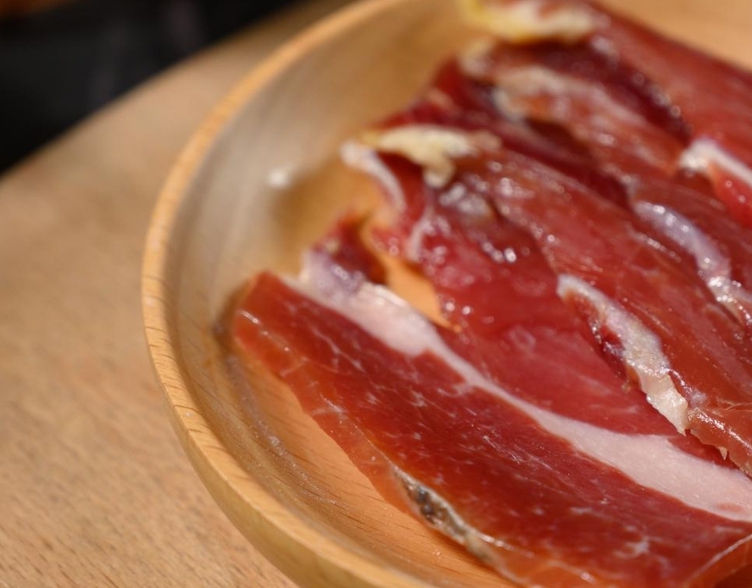
Jinhua Ham Curing Technique: A Thousand-Year Legacy of Savory Aroma
Jinhua Ham is a specialty of Jinhua City in Zhejiang Province, and is considered one of China's finest cured meat products. As early as the Tang dynasty, Jinhua already had ham-curing techniques. In the Ming dynasty, Jinhua Ham was listed as a tribute item. In 2008, the Jinhua Ham curing technique was included in the second National Intangible Cultural Heritage List. Sliced Jinhua Ham Jinhua Ham is shaped like a bamboo leaf or a pipa, with a clear contrast of red and white. The lean meat is fragrant, savo