
 English

Discover the Eastern Aesthetics in China’s Majesty
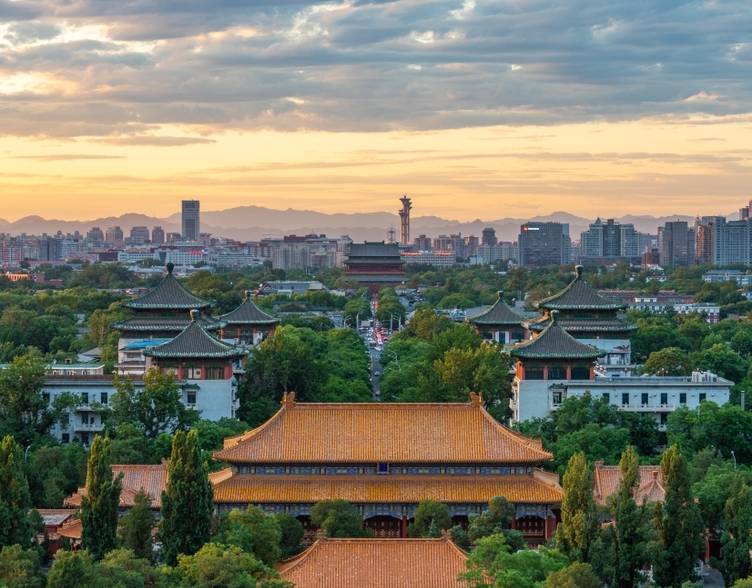
The Majestic Central Axis
Stretching 7.8 kilometers from south to north, Beijing Central Axis connects architectural landmarks such as the Forbidden City, the Temple of Heaven, and the Bell and Drum Towers. It is the most complete traditional urban axis preserved in China today, celebrated as the backbone of this thousand-year-old capital.
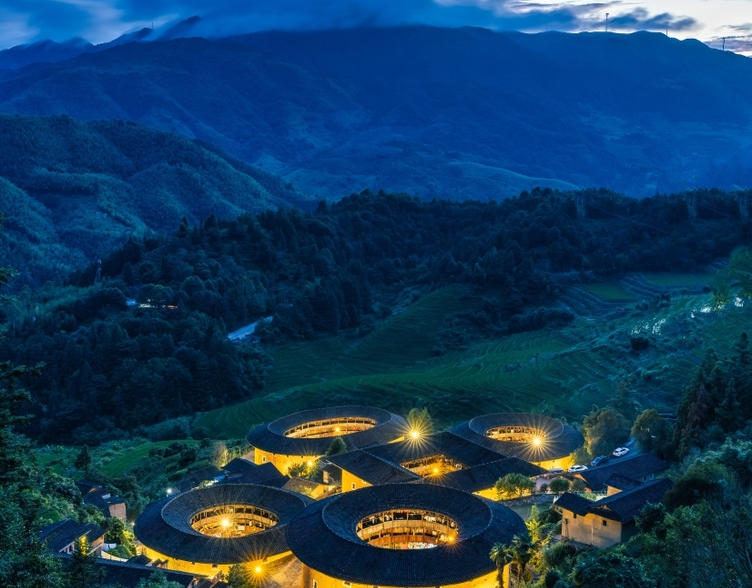
Fujian Tulou
First built during the Song and Yuan dynasties, the Tulou (earthen dwellings) of Fujian were constructed mainly by Hakka people who migrated to the region. These remarkable structures are found primarily in Yongding, Nanjing, Hua’an, and other areas in southwestern Fujian.
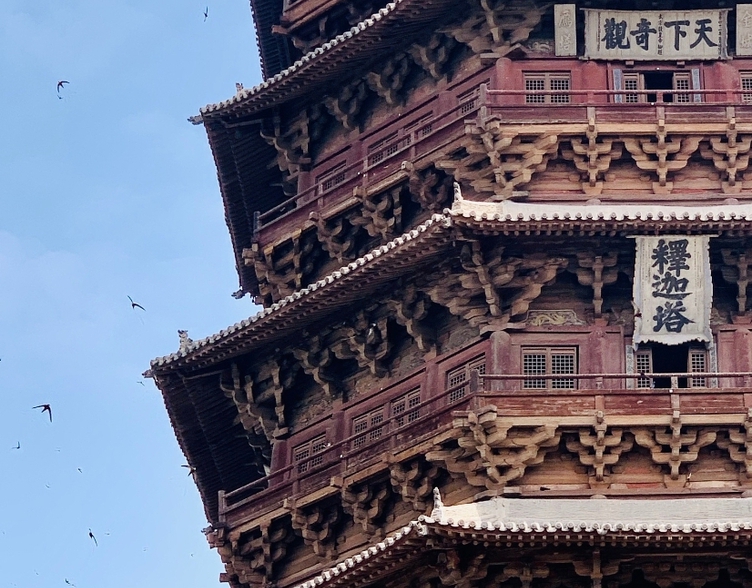
Ancient Architecture of Shanxi
As the saying goes, "Shanxi is the place to discover China’s above-ground cultural heritage". This region preserves more than 80% of all surviving wooden architecture from the Tang, Song, Jin, and Yuan dynasties, earning it the title of a "treasure house of ancient Chinese architecture".
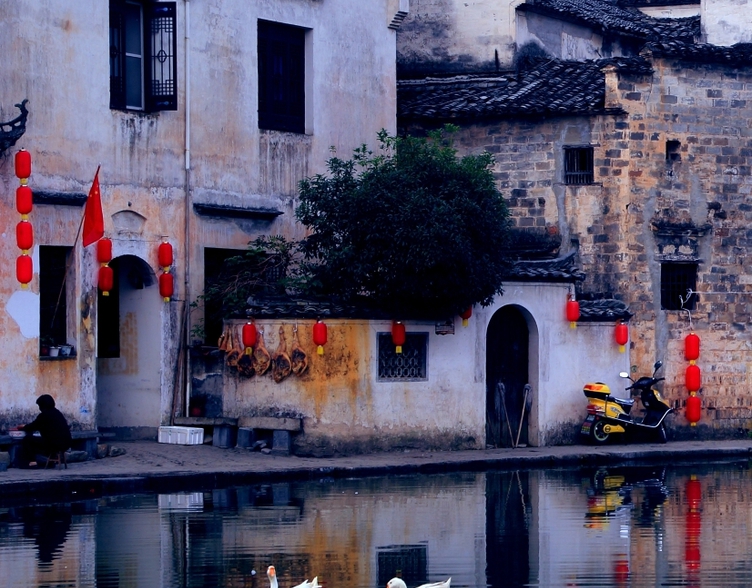
Ancient Villages of Southern Anhui
Strolling through the stone-paved alleys, lingering among white walls and dark-tiled roofs, you’ll encounter villages such as Xidi, Hongcun, and Chengkan. These ancient settlements embody the wisdom of daily life and the cultural heritage of Huizhou.
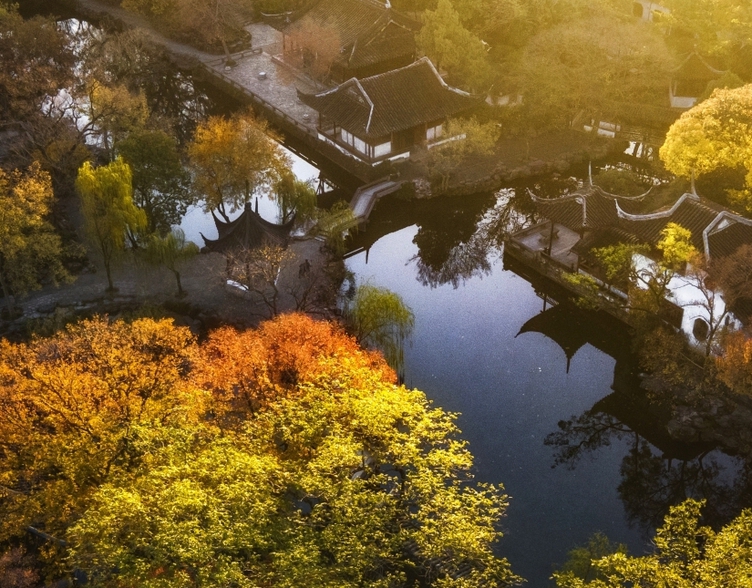
Classical Gardens of Suzhou
A quintessential expression of Jiangnan culture, Suzhou once boasted more than 270 private gardens. Today, over 80 classical gardens remain remarkably intact, with nine included in the UNESCO World Heritage List.

The Landscape of Guilin
Often described as a "a wonderland of ink-wash landscapes", Guilin’s scenery resembles a painting in all weather, rain or shine. Its boundless poetic charm offers a perfect interpretation of traditional Chinese landscape aesthetics.
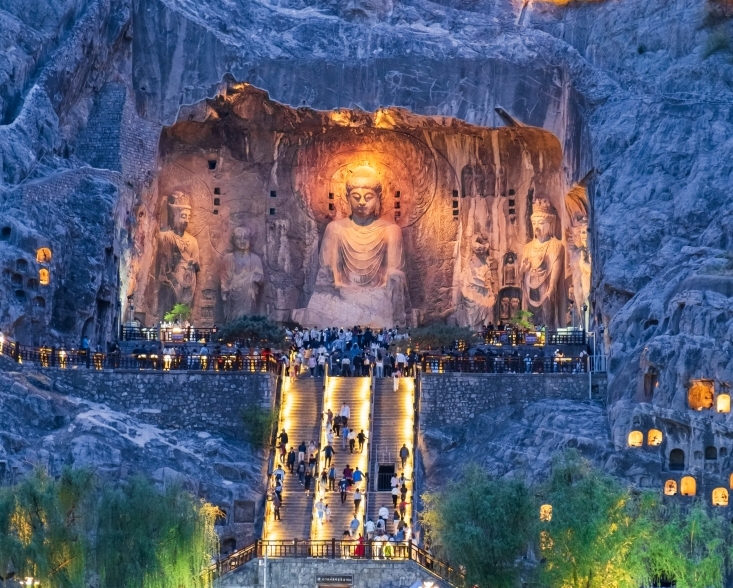
Millennia-Old Grottoes
From Dunhuang to Yungang, from Longmen to Dazu, the grottoes scattered across China are artistic treasures of the Chinese civilization and spiritual landmarks of humanity. They reflect the diversity, openness, and inclusiveness that define the Chinese culture.
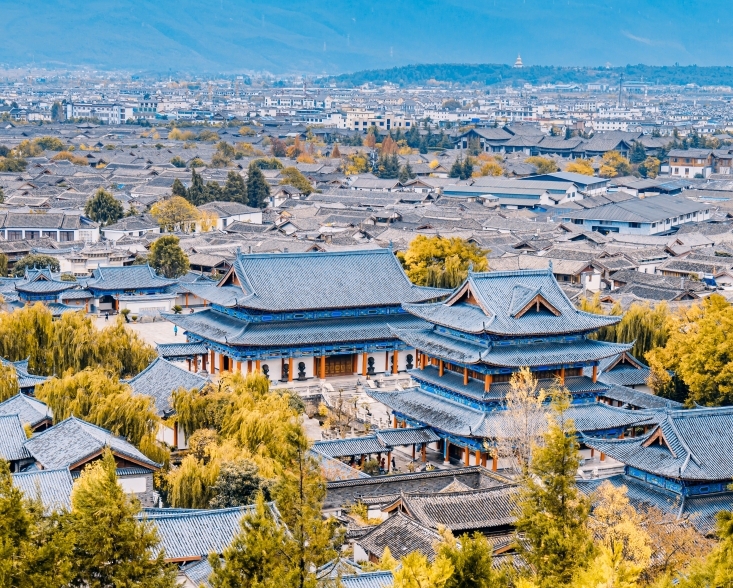
Old Town of Lijiang
Founded in the late Song and early Yuan dynasties, the Old Town of Lijiang has a history of around 800 years. With its hundreds of bridges and winding lanes, waterways weaving through neighborhoods, and architecture that harmonizes ethnic characteristics with natural landscapes, the town exudes quiet charm and timeless beauty.
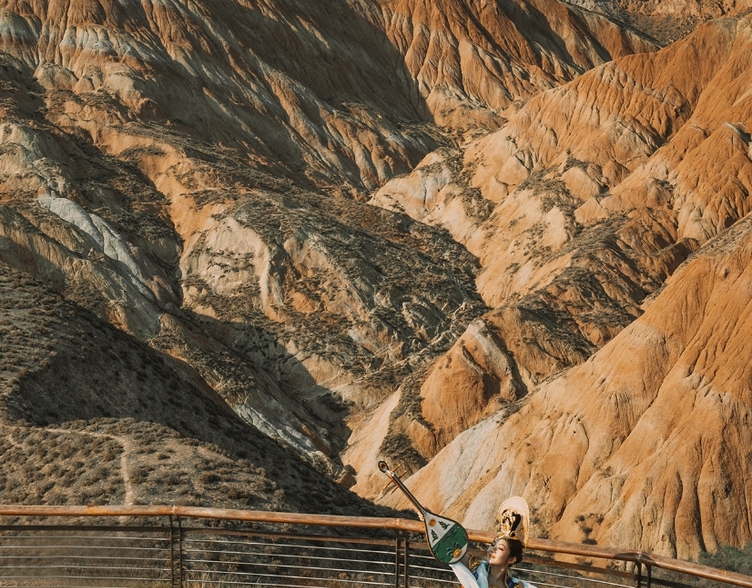
Brilliant Danxia Landforms
"Red as cinnabar, and bright as rosy clouds" - a phrase that perfectly captures the beauty of China’s Danxia landforms. China is home to the world’s largest concentration of these formations. As early as the Ming dynasty, the famed traveler Xu Xiake vividly described their striking forms and dramatic scenery.